An iPhone or an Android phone can become an essential tool in an emergency when users activate features that let them contact emergency services, share their location, or alert trusted contacts in advance.
Both phones have safety features that can help users seek assistance, provide emergency information, and protect personal data if a phone is lost, stolen, or accessed by someone else.
However, the availability of some features depends on the phone model, operating system, mobile network, and country.
Here are important settings users should consider activating before an emergency occurs.
Turn On Emergency SOS
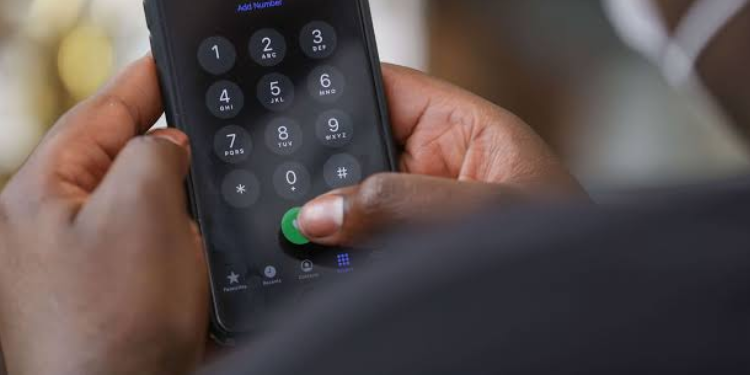
One of the most important features to set up is Emergency SOS, which is available on supported iPhones and Android devices.
On an iPhone, Emergency SOS allows users to quickly contact emergency services. Depending on the user’s settings and location, Apple can also notify emergency contacts after an emergency call.
Apple, the technology company behind the iPhone, says users can make an emergency call from a locked iPhone, while supported iPhones can also use Emergency SOS via satellite where the service is available.
On supported Android phones, Google’s Personal Safety features include Emergency SOS, which can provide access to emergency assistance and other safety functions. Google notes that availability varies by device and location.
Also Read: Smartphones Most Kenyans Are Buying in 2026
Add Emergency Contacts
Users should also add trusted people as emergency contacts.
On an iPhone, users can add emergency contacts through Medical ID in the Health app. Apple allows users to decide whether their Medical ID should be accessible from the lock screen.
On supported Android devices, you can add emergency contacts through Personal Safety features.
Having emergency contacts already configured can make it easier to notify family members or other trusted people during an emergency.
Enable Emergency Location Sharing
Location sharing can be especially important when a person can’t explain where they are.
Google’s Personal Safety tools include Emergency Sharing, which lets a user share their real-time location with selected emergency contacts. The recipients can receive a message containing a link to track the location through Google Maps.
Users should set up their emergency contacts beforehand and understand how location sharing works on their device.
Set Up Medical ID and Emergency Information on you iPhone or Android
An iPhone’s Medical ID can contain information such as medical conditions, allergies, medications, and emergency contacts.
Apple lets users enable Show When Locked, making selected information accessible from the lock screen without unlocking the phone.
Android devices with Personal Safety features can similarly store emergency information and medical details.
This information could help emergency responders if the phone owner can’t communicate.
Turn On Find My on iPhone
iPhone users should ensure Find My is enabled, which helps them locate a missing iPhone and place it in Lost Mode. Lost Mode can lock the device and display a message or contact information.
This is particularly useful if an iPhone is taken during an incident and the owner later needs to locate or secure it.
Use Find Hub on Android
Android users should ensure their device is connected to a Google Account and that the relevant device-finding features are active.
Google’s Find Hub can help users locate, secure, or erase a lost Android device. Users can remotely lock the phone, mark it as lost, or erase its data when necessary.
Google says that adding a Google Account to an Android device automatically turns on Find Hub.
Also Read: Cheapest Smartphones With Good Cameras in Kenya
Activate Stolen Device Protection on iPhone
iPhone users should also consider Stolen Device Protection, especially because it protects against situations where someone has stolen the phone and knows its passcode.
Apple says the feature adds additional security requirements for sensitive actions, including changing the device passcode or Apple Account password. It requires biometric authentication for certain critical changes, with no passcode fallback.
The feature can therefore make it harder for someone who has obtained both the phone and its passcode to take control of the owner’s account and device.
Check Safety Check on iPhone
Apple’s Safety Check helps users review who has access to the information they share and which apps can access certain data.
The feature is available on iPhones running iOS 16 or later and can be found under Settings > Privacy & Security > Safety Check.
It can help users review location sharing and other access, especially if they believe someone else may have access to their information.
Activate Android Theft Protection
Android also has theft-related protections on supported devices.
Google says Android’s theft protection features can help protect personal information if a phone is stolen. Depending on the device and Android version, features can include protections designed to lock the device under certain circumstances and remote security controls.
Google also allows users to remotely lock or erase a device through Find Hub.
Use a Strong Screen Lock
A strong screen lock remains one of the simplest ways to protect personal information.
Users should avoid easily guessed PINs and passwords and should use biometric security such as Face ID, Touch ID, or fingerprint authentication where supported.
On Android, Google recommends having a screen lock and a Google Account on the device as part of device protection.
A locked phone makes it harder for someone else to access messages, contacts, photos, banking apps, and other private information.
Keep Location Services Available
iPhone users should check that location-related settings needed by Emergency SOS and Find My are active.
Apple advises users to enable Emergency Calls & SOS within Location Services for certain emergency data functions.
Android users can also use location services for device finding and location sharing.
However, location tracking is not guaranteed. A phone may become difficult to locate if it has no power, loses connectivity, or if a particular feature is unavailable in the user’s region.
Consider Satellite Emergency Features
Some newer smartphones can communicate with emergency services through satellite connections when conventional cellular and Wi-Fi networks are unavailable.
Apple says Emergency SOS via satellite is available on iPhone 14 and later in supported locations and can help users connect with emergency services outside cellular and Wi-Fi coverage.
Because satellite emergency services aren’t available everywhere, users should check whether their phone and location support the feature.
Follow our WhatsApp Channel and X Account for real-time news updates.