African businesses could benefit from emerging digital payment technologies as industry leaders explore ways to improve cross-border transactions, financial connectivity and access to digital financial services.
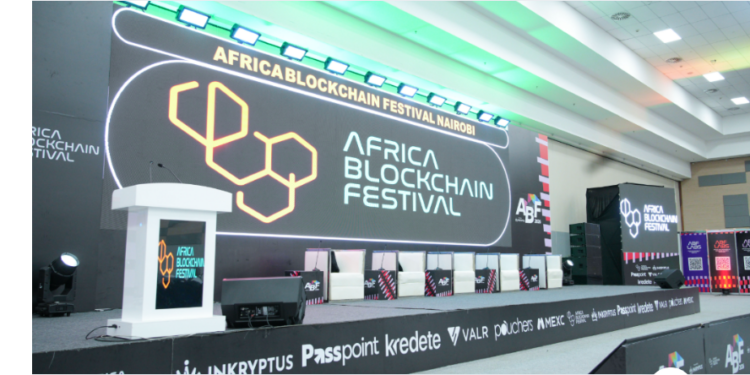
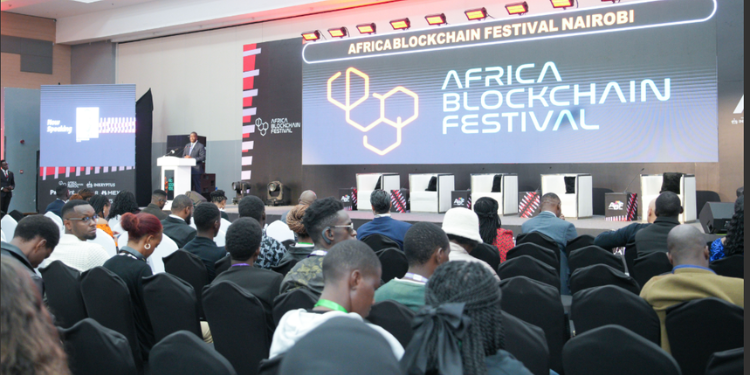
The discussions took centre stage during the second day of the Africa Blockchain Festival 2026 at the Sarit Expo Centre in Nairobi, where technology executives, fintech entrepreneurs, investors and policymakers examined how blockchain, stablecoins and other emerging technologies could support the continent’s digital economy.
The festival, held under the theme Capital, Code, and Continuity: Building Africa’s Permanent Digital Economy, brought together industry players to discuss practical solutions to challenges affecting businesses operating across African markets.
One of the key discussions focused on cross-border payments, a critical issue for companies seeking to expand beyond their home countries and serve customers across the continent.
Passpoint Highlights Cross-Border Payment Challenges at Africa Blockchain Festival 2026
Passpoint Chief Executive Officer Kelechi Uchegbulem addressed the future of cross-border payments in Africa, highlighting an area of growing importance as businesses increasingly seek to operate across national borders.
According to the festival organisers, the discussion examined how innovative payment technologies could help address barriers to cross-border transactions, payment interoperability, and access to financial services.
More efficient payment systems could help businesses move money between markets more effectively, although the actual benefits will depend on how the technologies are implemented and the costs involved.
The participation of Passpoint reflected the growing interest in developing financial infrastructure suited to the needs of African businesses and consumers.
Also Read: African Tech Founders Get New Path to Investors, Deals and Mentorship
Stablecoins Emerge as a Focus for Business Transactions
Stablecoins were another major topic at the festival, with industry participants exploring their potential applications in payroll, commerce, and cross-border business operations.
The session, titled Stablecoins at Work: Payroll, Commerce and Cross-Border Operations, explored how these digital assets could support everyday commercial activities.
Stablecoins are digital assets designed to maintain a relatively stable value, commonly by linking their value to a currency such as the US dollar.
Their potential applications include transferring value between countries and supporting transactions across digital platforms. However, their practical use also depends on regulatory requirements, platform reliability, conversion costs and the risks associated with the assets and service providers involved.
The discussions highlighted the importance of assessing digital financial technologies by their ability to address real business needs, rather than treating them solely as investment opportunities.
Another panel, Exchanges, P2P and the Battle for African Liquidity, examined the challenges facing cryptocurrency exchanges and peer-to-peer platforms, including the need for liquidity and more accessible digital financial markets.
Inkryptus Promotes Cryptocurrency Education
Inkryptus, the festival’s title sponsor, also featured prominently during the second day.
Patrick Guedes of Inkryptus delivered a presentation focused on opportunities for practical cryptocurrency adoption, while the company conducted a workshop introducing participants to cryptocurrency and its applications.
The sessions were part of the festival’s broader effort to shift discussions about blockchain technology toward practical use and deeper understanding among participants.
However, as businesses and individuals explore the technology, cryptocurrency and blockchain adoption require attention to consumer protection, market risks, and applicable regulations.
Also Read: Tim Draper, Global Investors Gather in Nairobi for Africa Blockchain Festival
AI Governance and Digital Identity
Beyond digital finance, the festival examined the implications of artificial intelligence and digital identity for Africa’s technology sector.
A panel titled Digital Identity, KYC and Africa’s Data Laws explored the relationship between identity verification, data protection and the adoption of financial technologies.
Participants also discussed AI governance and blockchain, with a session examining how African governments, institutions and technology companies could develop approaches suited to the continent’s economic priorities.
Other discussions focused on equipping employees with artificial intelligence tools and identifying the needs of African software developers.
The sessions highlighted the role of regulation, skills development and reliable digital infrastructure in supporting the adoption of emerging technologies.
African Creators and Technology Entrepreneurs in Focus
The festival also explored opportunities within Africa’s creator economy, with discussions on digital ownership, monetisation and the commercial prospects available to content creators.
Sessions examined how creators could move beyond audience engagement to build sustainable business opportunities and take greater ownership of their digital assets.
The programme also featured discussions on youth culture, digital communities and esports, highlighting the connections between technology, entertainment and entrepreneurship.
Festival organiser Olubunmi Fabwano said the event aimed to turn technology discussions into partnerships and practical solutions.
“The second day of Africa Blockchain Festival has demonstrated exactly why this platform is so important for the future of Africa’s digital economy. We are bringing together innovators who are not simply discussing technology but developing solutions that can address real challenges facing our continent. From the opportunities presented by Inkryptus and Passpoint to the conversations around stablecoins, artificial intelligence, digital identity, and financial infrastructure, we are seeing the foundations of a more connected and competitive African digital economy,” he said.
“Our ambition has always been to ensure that Africa Blockchain Festival becomes more than an annual gathering. We want to create an ecosystem where ideas translate into partnerships, where entrepreneurs connect with opportunities, and where Africa’s innovators have the platforms and visibility they need to scale. The engagement throughout the festival demonstrates that Africa has both the talent and the determination to shape its own digital future. The success of this event reinforces our commitment to building a permanent digital economy for Africa,” said Fabwano.
Follow our WhatsApp Channel and X Account for real-time news updates.