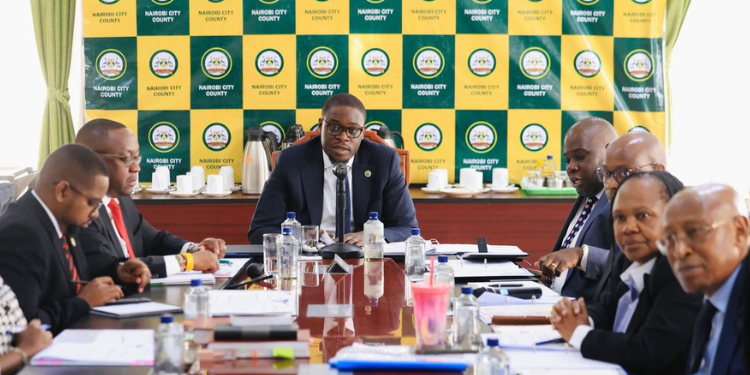
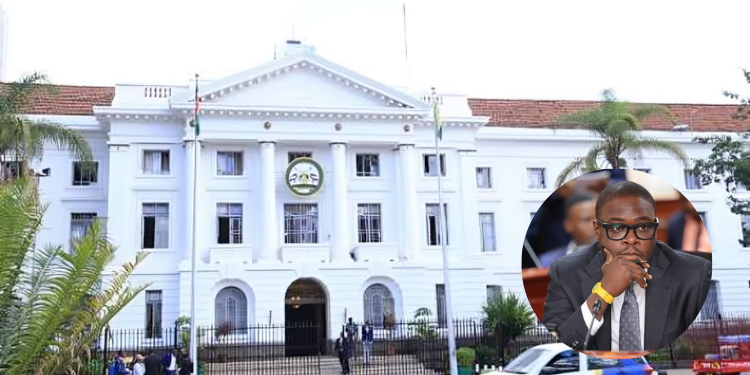
Nairobi City County was established under the 2010 Constitution of Kenya, replacing the former City Council of Nairobi. Its operations are guided by laws such as the Cities and Urban Areas Act and the County Governments Act, along with other relevant legislation.
The county government provides various public services to residents within its jurisdiction.
To carry out its duties, Nairobi County is organized into three main arms: the Executive, headed by the Governor; the Legislative Arm, led by the Speaker of the County Assembly; and the County Public Service Board.
The Executive Arm is headed by the Governor and Deputy Governor and is responsible for formulating and implementing county policies.
It includes the County Executive Committee, County Public Service Board, City Inspectorate, County Investigations and Information Analysis departments, Disaster Management and Coordination Sector, and various advisory offices.
The County Executive Committee, appointed by the Governor, comprises ten members and is the highest policy-making organ of the county. Each County Executive Committee Member is responsible for a sector of County operations.
Executive Arm in Nairobi
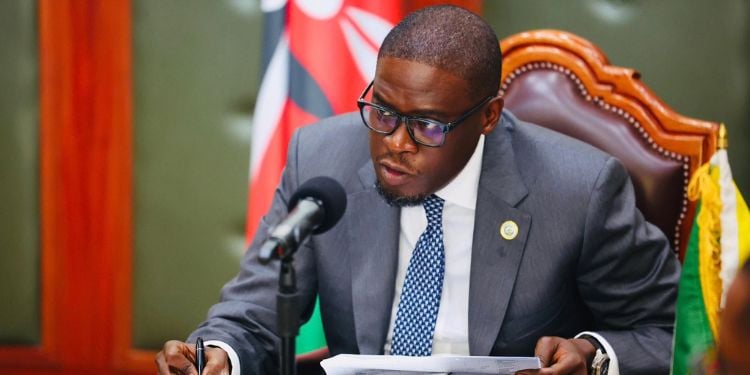
Nairobi County’s executive leadership is headed by Governor Sakaja Arthur Johnson, with James Njoroge Muchiri deputizing him.
The County Executive Committee (CECM) comprises ten members who oversee different departments and service delivery functions.
Suzanne Silantoi is the CECM for Health, Wellness and Nutrition, while Maureen Njeri oversees Green Nairobi.
Anastasia Mutethya Nyalita heads Business and Hustler Opportunities, while Rosemary Kariuki oversees Inclusivity, Public Participation, and Customer Service.
Ibrahim Auma Nyangoya oversees Finance and Economic Affairs, while Stephen Gathuita Mwangi oversees Boroughs, Administration and Personnel.
Patrick Mbogo heads Built Environment and Urban Planning, while Brian Mulama oversees Talents, Skills Development and Care.
Michael M. Gumo oversees Innovation and Digital Economy, while Charles Kerich heads the Mobility and Works department.
The County Public Service Board is appointed by the Governor and is responsible for the determination of the county’s human resource needs, recruitment, and related Public Service functions. The board is under the charge of the chairman, supported by various committee members.
Work of Each Department
Nairobi County’s various sectors deliver essential public services, formulate policies, and oversee specific departmental functions.
The following are some of the roles for each department:
| Sector | Key Responsibilities |
|---|---|
| Talents, Skills Development and Care | Oversees early childhood and primary education, sports, cultural activities, libraries, museums, recreation facilities, childcare and community welfare. |
| Health, Wellness and Nutrition | Manages county health facilities, pharmacies, ambulance services, primary healthcare, food safety licensing, cemeteries and liquor licensing. |
| Innovation and Digital Economy | Oversees automation of county services, ICT infrastructure, digital communication, public information, public participation and county branding. |
| Boroughs, Administration and Personnel | Handles human resource management, staff development, public service reforms, procurement, legal services, performance management and security compliance. |
| Built Environment and Urban Planning | Oversees land surveying, mapping, housing, boundary demarcation, fencing and city planning. |
| Mobility and Works | Manages county roads, street lighting, traffic, parking, public road transport and stormwater drainage systems. |
| Business and Hustler Opportunities | Oversees markets, trade licensing, fair trading practices and cooperative societies. |
| Green Nairobi (Environment, Water and Agriculture) | Handles waste management, water and sanitation, environmental conservation, forestry, energy regulation, agriculture, livestock, fisheries and veterinary services. |
| Finance and Economic Affairs | Manages county budgets, revenue collection, expenditure, borrowing, accounting, investment policy, debt management and public-private partnerships. |
| County Secretary and Head of County Public Service | Coordinates county government operations, oversees policy implementation and provides administrative leadership across county departments. |
County Chief Officers
The County has several Chief Officers who oversee specific departments and coordinate the delivery of services under their respective sectors.
Zipporah Njeri Mwangi serves as the Chief Officer for City Culture, Arts and Tourism, and Acting Chief Officer for Public Participation, Citizen Engagement and Customer Service. Wilson Njoroge Gakuya leads Digital Economy and Start-ups, while Tony Michael Kimani oversees Social Services and Estate Management.
Tom Michira Nyakaba serves as the Chief Officer for Public Health, while Tiras Wainaina Njoroge heads Revenue Administration. Priscilla Mahinda serves in the Office of the Governor, while Oscar Omoke Ocholla oversees Water and Sewerage.
Oscar Mafunga Igaida is responsible for Youth, Talent and Sports, while Lydia Mathia heads Business and Hustler Opportunities. Jane Wangui oversees Markets and Trade, while Maryam Dubow Dahir oversees Medical Services.
John Murungi Lintari serves as the Chief Officer for Economic Planning, while Janet Omollo Opiata oversees Public Service. Hibrahim Otieno Nyakach is responsible for Environment, while Godfrey Akumali Atiel heads Housing and Urban Renewal and also serves as Acting Chief Officer for Lands.
Gladwell Cheruiyot oversees Food, Agriculture and Natural Resources, while George Mutiso Musembi oversees Cooperatives.
Other officials include Eva Wangechi Wairiuko, Acting Chief Officer for Security and Compliance; Eng. Samwel Njogu, Acting Chief Officer for Mobility; and Eng. Bob Ariemba, Acting Chief Officer for Works.
Also Read: Sakaja Opens Applications for Nairobi Businesses and PSV Operators Seeking 2027 Loading Zones
Irene Muchoki serves as the Chief Officer for Gender and Inclusivity, while Dominic Mutegi is the Acting Chief Officer for Urban Development and Planning. David Oyolo oversees Medical Facilities, while Clement Rapudo Sijenyi oversees Smart Nairobi.
Cecilia Koigu serves as the Chief Officer for ICT Infrastructure, while Bramwel Wesangula Simiyu oversees Disaster Management. Bernard Muia oversees Boroughs and Subcounty Administration.
Asha Abdi serves as the Chief Officer for Finance, while Amina Mohammed oversees Wellness, Nutrition and School Feeding. Ahmed Mohamed Abdi is responsible for Early Childhood Development (ECD) and Technical and Vocational Education and Training (TVET).
Also Read: Nairobi’s Most Expensive and Cheapest Estates to Buy Land
County Assembly
The Nairobi City County Assembly is the legislative arm of the county government, responsible for making laws, representing residents and overseeing the activities of the county executive.
It comprises 85 elected and 42 nominated Members of the County Assembly (MCAs), who serve in different committees responsible for handling specific county matters.
The lawmaking process begins in the Assembly committees, where members consider proposed bills before presenting them to the plenary for debate and approval. Once passed, the bills are forwarded to the Governor for assent before becoming law.
The Speaker heads the County Assembly and presides over its sittings, except during meetings of the various standing committees.
It comprises:
- The Speaker – Kennedy Okeyo Ng’ondi
- Deputy Speaker – Paul Kados Kiguathi Muiruri
- Majority Leader – Jateso Peter Imwatok
- Minority Leader – Anthony Kiragu Karanja
- Deputy Majority Leader – John Ndile Musila
- Deputy Minority Leader -Waithera Chege
- Majority Chief Whip – Moses Nyangaresi Ogeto
- Minority Chief Whip – Mark Ronaldo Mugambi
- Deputy Majority Chief Whip – Angila Stazo Elijah Omung’ala
- Deputy Minority Chief Whip – Joyce Kamau
Follow our WhatsApp Channel and X Account for real-time news updates and subscribe to our YouTube Channel for in-depth interviews.