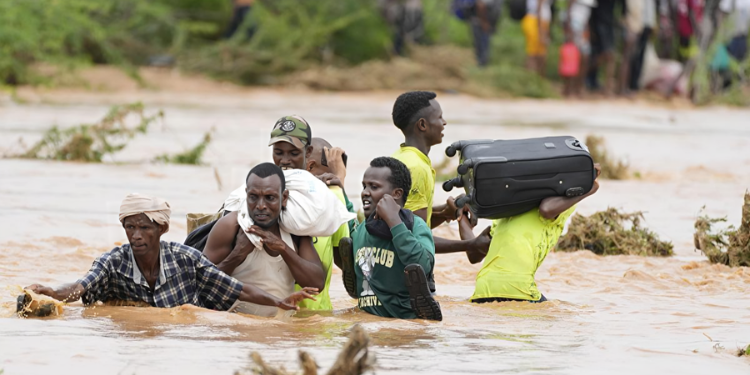

Kenyans are once again facing the possibility of another El Niño season, with global climate forecasts indicating its likely development later this year.
According to the World Meteorological Organization (WMO), there is about an 80 percent chance the phenomenon will develop between June and August 2026 and persist into the end of the year, raising fears of heavy rains, flooding, and widespread disruption.
El Niño is caused by unusual warming of ocean waters in the central and eastern Pacific, which disrupts global weather systems and shifts rainfall patterns.
In East Africa, including Kenya, this typically translates into above-normal rainfall, especially during the October to December short rains season, often leading to floods and landslides.
The 1997–1998 El Niño remains one of the worst in Kenya’s history, bringing months of relentless rain, killing thousands and destroying roads, homes and farms.
More recently, the 2023–2024 rains caused flooding, displacement and loss of lives in several counties, reminding Kenyans that the risk remains very real.
Preparing for El Niño
The first step in staying safe during El Niño is preparing where you live.
Flooding often hits low-lying areas, informal settlements, and places near rivers harder than other areas.
Also Read: EXPLAINER: Reasons Why Water Tanks Are Not Made Transparent
Clearing drainage systems around homes is crucial for allowing water to flow freely and reducing the risk of flooding.
Raising household items above ground level can help minimize damage if water enters the house.
Those living in flood-prone zones should also identify safe evacuation routes and higher ground in advance, rather than waiting until water levels rise.
Strengthening structures is equally important. Roofs, doors and windows should be secured to withstand heavy rains and wind.
In areas prone to landslides, it is safer to avoid building or staying near steep slopes, as saturated soil can easily give way.
Protect Health and Essential Supplies
Floods often come with serious health risks.
Contaminated water can lead to outbreaks of diseases such as cholera and other infections, which have been recorded in past El Niño seasons.
Households should store clean drinking water and keep basic medical supplies ready. Water should be boiled or treated before use to avoid illness.
Food supplies that can last several days without refrigeration are also important, especially in areas that may be cut off by floods.
Personal safety kits should include items such as torches, batteries, warm clothing, and important documents stored in waterproof containers.
Also Read: How Courts Decide Where People Are Buried in Kenya
These small steps can make a major difference during emergencies.
Kenyans to Stay Alert and Act Early
El Niño does not strike suddenly; it builds over time. Early warning signs often include rising temperatures and changes in rainfall patterns.
Forecasts already indicate warming ocean conditions, with some regions recording temperatures up to 6°C above normal, signaling that the phenomenon is already developing
Staying informed through reliable weather updates is key.
Communities that act early by moving away from high-risk areas or preparing emergency plans are far less likely to suffer severe losses.
History has shown that delays in response often lead to greater damage.
Flood-prone areas across the country, including river basins and urban settlements, have repeatedly been affected during periods of heavy rain.
Beyond immediate safety, El Niño also threatens livelihoods.
Heavy rainfall can destroy crops, wash away livestock, and disrupt transportation networks, affecting both rural and urban economies.
Farmers are advised to plant crops that tolerate excess water or, where possible, adjust planting seasons.
Traders and transport operators should prepare for disruptions caused by road damage and flooding.
In urban areas, businesses should plan for potential closures or reduced operations during peak rainfall periods, especially in flood-prone areas.
Follow our WhatsApp Channel and X Account for real-time news updates.