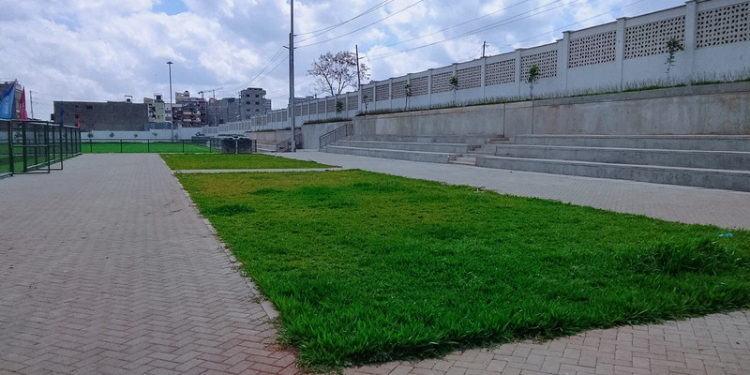
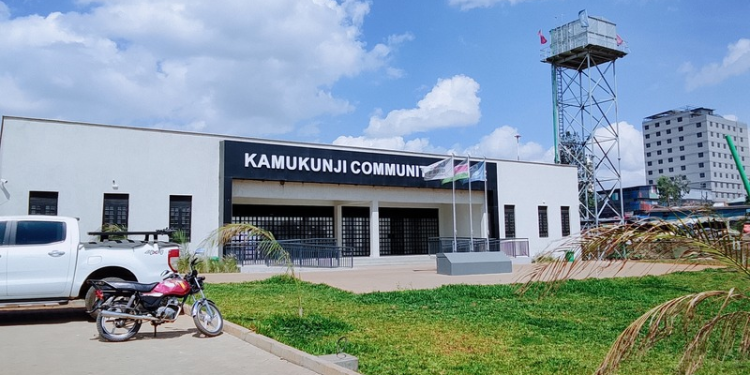
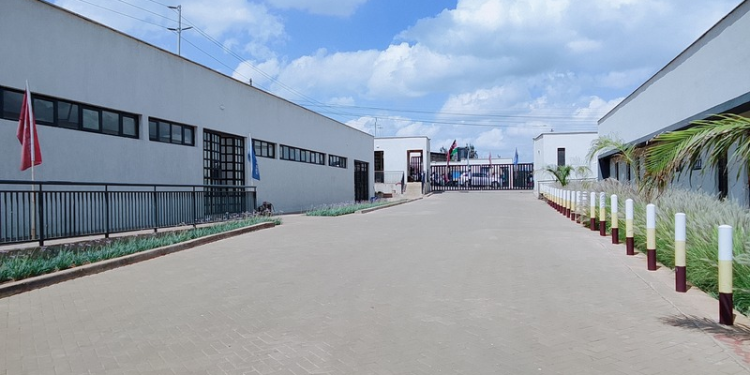
The historic Kamukunji Grounds, widely regarded as the birthplace of Kenya’s multi-party democracy, is on the verge of a new chapter after a major government-led transformation turned the iconic public space into a modern recreation park.
The redevelopment of the 7.27-acre site is now 95 per cent complete, with only final installations and inspections left before President William Ruto officially opens it.
For decades, Kamukunji Grounds has occupied a special place in Kenya’s political history. It was the site of the landmark Saba Saba movement in 1990, where pro-democracy activists rallied against one-party rule, setting the stage for the return of multi-party politics and shaping the country’s democratic journey.
Today, the same grounds are being prepared to serve a different but equally important purpose, giving thousands of Nairobi residents access to sports, learning, culture, and community facilities while preserving their historical significance.
The transformation forms part of the government’s broader urban renewal programme and reflects efforts to improve public spaces while safeguarding sites of national importance.
New Life for Kamukunji Grounds
Despite the extensive upgrade, planners have retained the identity and legacy of Kamukunji Grounds as a protected national heritage site.
According to Interior Principal Secretary Raymond Omollo, the project is being implemented under the government’s Nairobi River Regeneration and Engineering Works Programme, with the State Department for Internal Security and National Administration set to support the facility’s long-term management, security and maintenance.
Also Read: Kisa West Residents Reveal How Ruto Government Has Changed Their Lives
He also noted that the project was designed to balance historical preservation with modern infrastructure, ensuring that a location synonymous with Kenya’s democratic struggle remains accessible to future generations.
Following the arrest of opposition leaders Kenneth Matiba and Charles Rubia, thousands of Kenyans gathered around Kamukunji Grounds on July 7, 1990, demanding political reforms and an end to one-party rule.
The demonstrations and subsequent crackdown became a defining moment in Kenya’s struggle for democracy and are widely credited with accelerating the restoration of multi-party politics in 1991.
The redevelopment seeks to create a safe and inclusive environment where residents can gather, exercise, learn and participate in cultural activities, much as previous generations gathered there to debate the country’s political future.
Once completed, Kamukunji Recreation Park will feature an 11-a-side football pitch, a 7-a-side football field, basketball courts and a boxing ring aimed at nurturing sporting talent among young people.
The project also includes a fully equipped community centre complete with a library, information technology laboratory and recording studio.
The facilities are expected to provide educational and creative opportunities for youth from surrounding neighbourhoods, helping bridge digital gaps while supporting skills development and innovation.
Also Read: Fridah Mwaka’s Rise to Fame Beyond the Newsroom and the Woman Behind Kichuna
In addition, the park will house an amphitheatre for public events, performances and community gatherings, further strengthening its role as a civic and cultural centre.
Boost for Community Life
The redevelopment has also introduced landscaped gardens, children’s play areas, paved walkways, solar-lit open spaces and numerous water points to improve accessibility and public comfort.
PS Raymond Omollo added that the government believes the upgraded facility will stimulate social and economic activity by attracting visitors, supporting local businesses and creating a venue for regular community engagement.
The project aligns with efforts to expand quality public amenities in Nairobi while giving residents access to safe recreational spaces within the city.
The development also incorporates environmental considerations.
Enhanced drainage systems and retaining walls have been completed to address flooding challenges that have historically affected parts of the area.
The works are linked to the wider Nairobi Rivers regeneration programme, which seeks to restore river ecosystems while reducing flood risks in surrounding communities.
Follow our WhatsApp Channel and X Account for real-time news updates and our YouTube Channel for in-depth interviews.