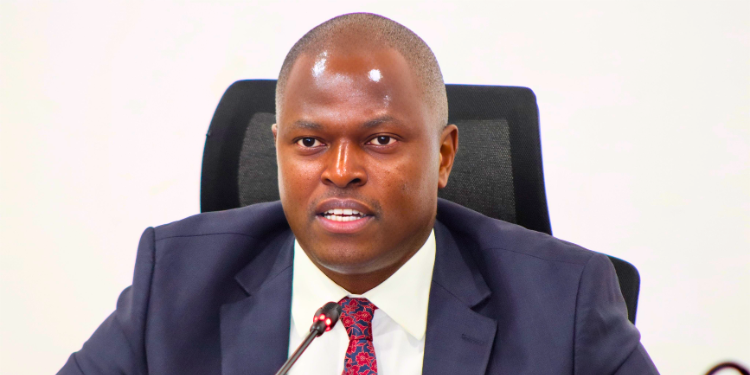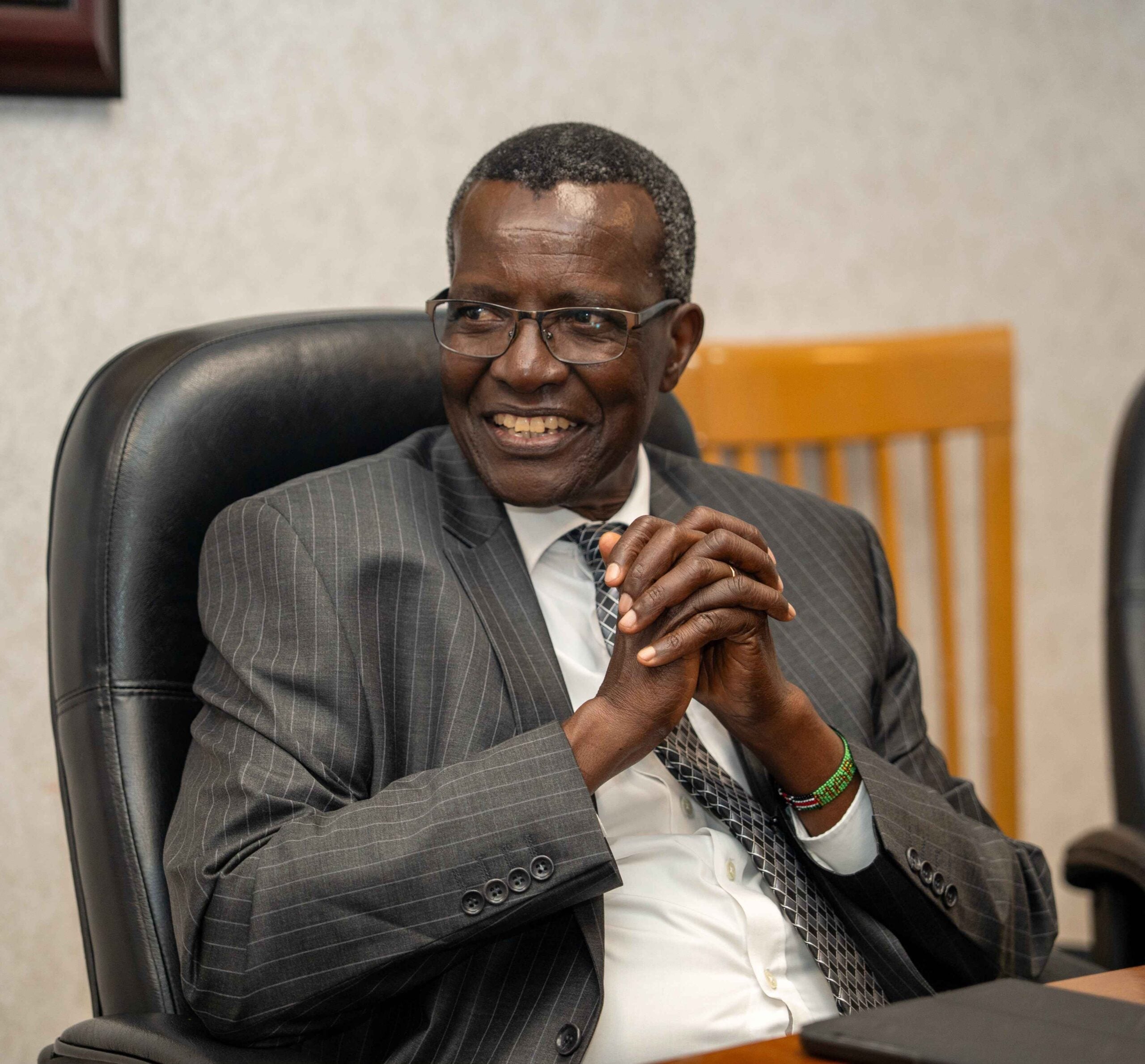
Former Chief Justice David Maraga has warned the Independent Electoral and Boundaries Commission (IEBC) that Kenya cannot enter the 2027 General Election with a voters’ register that Kenyans cannot trust.
Maraga says missing, duplicated or irregularly transferred names, as well as deceased voters left on the roll, undermine the credibility of the entire election.
“A credible voters’ register is the foundation of a credible election.”
The People’s Coalition on Electoral Reforms, which Maraga co-convenes, wants an independent audit of the register before the election.
Speaking in Nairobi, Maraga said the coalition, which he chairs, wants the regular removal of deceased voters and stronger safeguards against duplicate or irregular entries.
“The will of the people must be protected from voter registration to the final declaration of results.”
Maraga noted that Kenyans should be able to confirm that their names appear on the register, know where they will vote and raise objections early enough for corrections to be made.
“No Kenyan should be forced to fight to prove that their vote was counted.”
Concerns over IEBC register
In previous elections, disputes over voter transfers, deceased persons remaining on the roll and the accuracy of biometric data have fueled suspicion and litigation.
The IEBC maintains that the register will undergo an independent forensic audit and be certified for use in the 2027 election.
“We must fix the system before 2027—not after the damage is done,” Maraga said.
Also Read: Maraga Calls Out Ruto Over Ebola Deal with Trump
The Ruto administration has rejected claims that the President’s re-election campaign depends on manipulating the vote.
For instance, Prime Cabinet Secretary Musalia Mudavadi has maintained that President William Ruto would seek another term through legitimate votes.
“His Excellency William Ruto will not get victory through shortcuts. He’s not looking for shortcuts; let us not try to invent shortcuts for him.”
Government spokesperson Charles Owino also distanced the administration from controversial remarks attributed to a UDA official, saying they should not automatically be treated as the official position of the government or UDA.
UDA Secretary-General Hassan Omar appeared before an IEBC disciplinary committee after remarks at a Mombasa rally appeared to suggest that fingerprints of deceased persons could be used in the biometric voter registration system.
Omar told the commission that the remarks were figurative and meant to encourage Coastal residents to register and vote in 2027.
He denied advocating electoral fraud and said he owed no apology.
Also Read: David Maraga: The Man Behind Kenya’s 2017 Election Annulment, Eyeing the Presidency in 2027
“My remarks were a figure of speech.”
IEBC Commissioner Alutalala Mukhwana rejected suggestions that fingerprints belonging to deceased people could be used to authenticate voters.
He said the biometric system relies on more than fingerprints, including iris recognition.
Maraga maintains that the commission’s assurance is not enough.
“The register must be independently audited, publicly explained and corrected before Kenyans go to the polls,” the former CJ charged.
Follow our WhatsApp Channel and X Account for real-time news updates, and subscribe to our YouTube Channel for in-depth interviews.