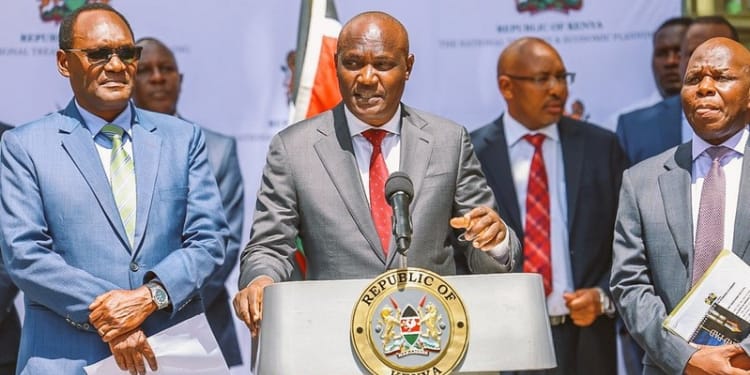
The Trump administration is advancing a plan through the Office of Personnel Management that would require all federal employees to sign nondisclosure agreements and fire those who refuse or violate the terms.
The proposal applies to both new hires and current workers. It mandates agreements covering non-public, confidential, or proprietary information, as well as internal government deliberations. Employees who decline to sign or breach the agreements face termination.
The Proposal
The Office of Personnel Management issued the rule to address major leaks. It cites disclosures to The New York Times and The Washington Post about the U.S. raid that captured former Venezuelan President Nicolás Maduro in January. Officials said those leaks endangered armed forces members.
The agreements extend beyond existing classified information rules, which already carry criminal penalties. The new measure adds restrictions on internal deliberations and non-public data.
Administration Defense
OPM Director Scott Kupor defended the proposal in a blog post. He called it standard organizational practice. “This is Organizational Management 101,” Kupor wrote. He stated that leaks often result from political disagreement, personal relationships, or malice.
Kupor said the rule does not create new substantive restrictions on employee speech. He argued that confidential internal discussions enable effective government operations and open debate.
Also Read: Judge Orders Trump’s Name Stripped from Kennedy Center Within 14 Days
Union Opposition
The American Federation of Government Employees opposed the proposal. Union President Everett Kelley said the administration would fire employees who refuse to sign.
“This proposed NDA is another attempt by the administration to purge the civil service of nonpartisan career employees and replace them with loyalists,” Kelley stated.
The union noted that agencies already have policies to prevent unauthorized release of classified information. It argued the rule covers broad material the public needs to assess administration actions.
Whistleblower and Legal Concerns
David Kligerman of Whistleblower Aid said the proposal forms part of a broader effort to build a workforce loyal to the president. He warned it could enable retaliation against lawful whistleblowers.
Constitutional law professor Jessica Levinson at Loyola Law School questioned the proposal’s scope.
Also Read: Trump Hands $11,000 to American as he Receives McDonald Delivery in the White House
She noted that while private employers can impose broad NDAs, government actions must comply with the First Amendment. Public employees retain rights to discuss matters of public concern.
Press Freedom Reactions
The Freedom of the Press Foundation and National Press Club criticized the measure. They described it as a threat to transparency that coincides with actions against agency watchdogs and FOIA officials.
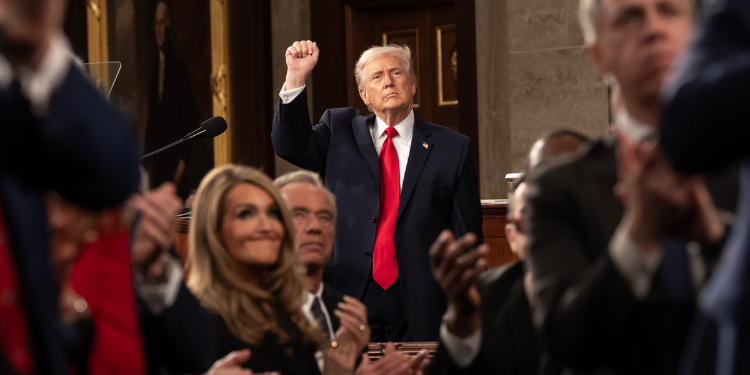
National Press Club President Mark Schoeff Jr. said the proposal imposes sweeping secrecy obligations designed to shield the government from scrutiny and deter employees from speaking to journalists.
The NDA proposal follows other administrative steps regarding federal workers, including the creation of a new at-will policy employee class and hiring questions about Trump policies.
Federal employees already face restrictions on sensitive information. The new agreements would add termination penalties for violations involving deliberations.
Kupor maintained that agencies require protection from leaks to support honest internal processes.