The Kenya Forest Service (KFS) will stop processing manual import and export permits for regulated forest products starting Saturday, October 31, and require traders to use a digital platform.
In a notice dated October 28, KFS and the Kenya Trade Network Agency (KenTrade) announced that the processes would move to the National Electronic Single Window System (NESWS) through the Trade Facilitation Platform (TFP).
The change will affect importers, exporters, transporters, customs and clearing agents dealing in regulated forest products.
“The Kenya Forest Service (KFS) and the Kenya Trade Network Agency (KenTrade) hereby notify all importers, exporters, transporters, customs and clearing agents, partner government agencies, and members of the public that KFS import and export processes for regulated forest products will be onboarded onto the National Electronic Single Window System (NESWS) through the Trade Facilitation Platform (TFP), effective Saturday, 31 October 2026,” stated KFS.
The agencies said the transition was intended to streamline trade processes, improve transparency and traceability, and make service delivery more efficient.
Also Read: Kenya Issues Urgent Alert as Countries Shut Down Govt Websites
Forest Product Permits to Move Online
From October 31, traders must process applications for the import and export of regulated forest products electronically. The corresponding manual procedures at KFS offices will no longer apply.
The transition covers applications for No Objection Letters (also known as Master Permits), import and export permits for forest products, and the associated fees.
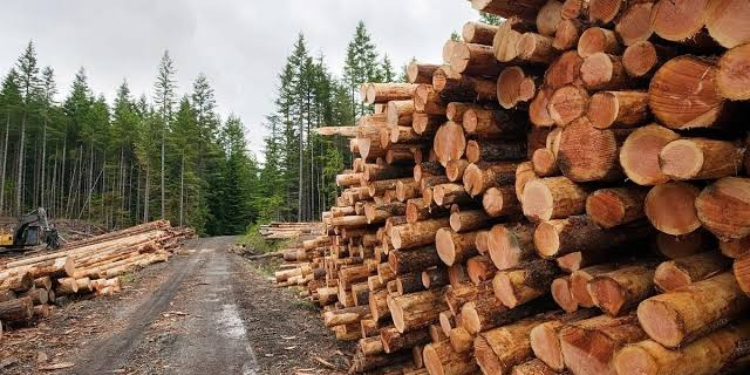
The affected products include timber, plywood, sawdust, withies, charcoal, bamboo, veneer, resin, myrrh, tamarind, baobab, Gum Arabic, turpentine oils, rosin and resin acids.
Other regulated wood products will also be covered, subject to applicable KFS regulations and Harmonised System (HS) codes used to classify traded goods.
KFS and KenTrade advised all affected stakeholders to familiarise themselves with the electronic procedures and ensure they conduct permit transactions through TFP from the effective date.
“All affected stakeholders are advised to familiarise themselves with the electronic processing arrangements and ensure that KFS import and export permit transactions are conducted through TFP from the effective date,” KFS said.
Why KFS Is Moving Permit Applications Online
The agencies said the digital transition would reduce paperwork and the need for in-person visits to KFS offices while improving transparency, traceability and revenue collection.
Also Read: Govt Clarifies Milking Buffaloes to Counter Milk Shortage
The onboarding follows a Head of Public Service circular dated June 4, 2019, referenced OP/CAB/9/83A, which guides the integration of government services into the electronic single-window system.
KFS and KenTrade said they remained committed to strengthening trade facilitation through digitalisation and supporting the timely and efficient clearance of regulated forest products.
KFS Launch of Digital Timber Tracking System
A similar digitalisation effort was announced on March 24, when the Kenya Forest Service launched the Timber Tracker System (TTS), a digital platform designed to improve transparency in timber trade and help curb illegal dealings in wood products.
In a statement, KFS said the system was part of broader efforts to digitise timber trade management and strengthen monitoring across the forestry supply chain.
The launch, held at KFS headquarters, featured a live demonstration of the platform and the symbolic handover of a printed copy of the TTS homepage alongside a point-of-sale (POS) device.
The Bureau of International Narcotics and Law Enforcement Affairs (INL) supported the system’s development, in collaboration with technical partner Traffic International. It is intended to improve the monitoring of timber from forests to markets, strengthen traceability, enhance operational efficiency and increase transparency in the timber trade.
Chief Conservator of Forests Alex Lemarkoko said the platform is expected to transform how Kenya manages timber trade once it becomes fully operational.
“Once fully operational, the system will enhance efficiency, traceability, and considerably reduce illegal timber trade in Kenya,” he said, pointing to the agency’s shift from manual processes towards automated systems.
Follow our WhatsApp Channel and X Account for real-time news updates and subscribe to our YouTube Channel for in-depth interviews.