Matatu Owners have completely called off the suspended strike after a meeting with President Ruto.
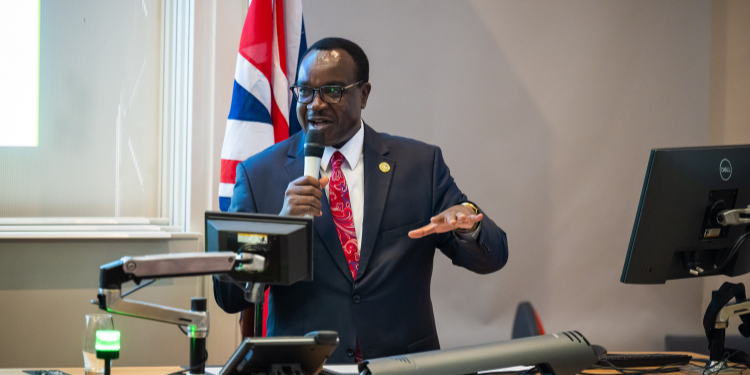
In a meeting that brought together representatives from various transport sector organizations at State House, Mombasa, on May 22, Albert Karakacha, the President of the Matatu Owners Association in Kenya, said the strike, which had been suspended for a week, was now officially called off.
“We’ve called off the strike; we had suspended it, but we’ve called it off. We will not have a strike next week; we are going to work,” said Karakacha.
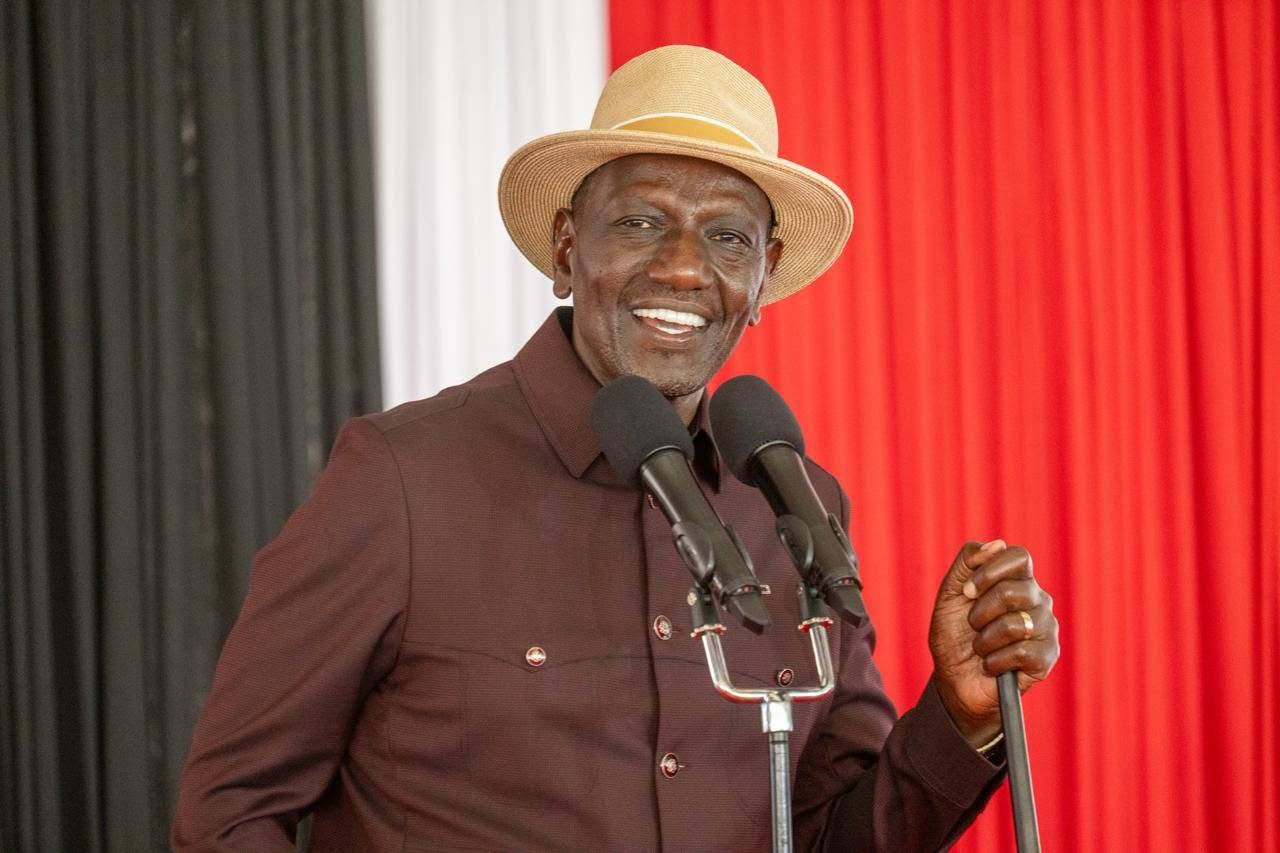
The announcement was made during a meeting between President William Ruto and transport sector leaders, convened to address concerns about the recent fuel price hike, which had prompted threats of a matatu strike.
Matatu Operators’ Suspension of Strike After Talks with Government
Matatu operators paused their nationwide strike for one week on May 19, following discussions with the government over the rising cost of fuel that had triggered the industrial action.
The decision was made after talks among the Transport Sector Alliance (TSA), the Ministry of Energy and Petroleum, the National Treasury, and transport regulators, amid growing pressure from the economic effects of the disruption.
Also Read: Ruto Directs NTSA to Lift Graffiti Ban on Matatus, Disobeys Court Order
Interior Cabinet Secretary Kipchumba Murkomen, Energy CS Opiyo Wandayi, and Kennedy Kaunda, CEO of the East Africa Tour Guides and Drivers Association (EATGDA), confirmed that the suspension would allow time for further consultations.
The strike had entered its second day before being halted, sparked by a fuel price increase announced by the Energy and Petroleum Regulatory Authority (EPRA) on May 14, which pushed petrol prices up by KSh 16.65 per liter and diesel by KSh 46.29 per liter.
Murkomen said transport operators had called for a KSh 46 reduction in fuel prices and are continuing to push for further relief, even after EPRA announced a KSh 10 reduction earlier in the week.
Earlier Warning of Possible Resumption
Kushan Muchiri, CEO of the Federation of Public Transport Sector and National Chairman of the Association of Matatu Transport Owners, confirmed that formal negotiations with the government were underway and urged drivers and conductors to resume work immediately.
Muchiri noted that while the operators had hoped to secure the full KSh 46 reductions, they acknowledged progress after the government agreed to engage them in talks.
He added that the issues raised by the sector are now receiving serious attention, suggesting that earlier dialogue could have avoided the disruption caused by the strike.
However, he cautioned that the strike could resume within seven days if the ongoing negotiations fail to yield a satisfactory outcome.
Ruto Announces Duty-Free Import for First 100,000 Electric Vehicles
President William Ruto announced that the first 100,000 electric vehicles (EVs) imported into Kenya will be duty-free, a move he stated was aimed at reducing reliance on fossil fuels and cushioning citizens from rising fuel costs.
Also Read: With All Due Respect, Man Clears Air on Being Bribed to End Matatu Strike
Ruto said the government is accelerating a transition towards clean energy and sustainable transport solutions to protect the country from global fuel price shocks.
“Equally, we are accelerating investments in renewable energy, electric mobility, modern public transport, and energy security infrastructure so that future generations of Kenyans are less exposed to global fuel instability. We must embrace electric vehicles as a first step,” he said.
As part of the push, the President revealed that the government has already begun integrating electric mobility into its operations.
President Ruto added that the government has already ordered 3,000 electric vehicles through the Ministry of Interior for use by our security and administration officials.
He added that the duty-free incentive will apply to both public service and private users, lowering the cost barrier that has slowed EV adoption in the country.
“I’m also making a declaration that the first 100,000 electric vehicles to be imported into Kenya, whether for public service or private use, will be duty-free,” he said. He noted that the government will continue working with private investors to establish a local EV manufacturing plant.