The Media Council of Kenya (MCK) has issued directives requiring all media houses to implement a seven-second delay on live broadcasts.
This decision comes amid an increase in inflammatory statements, misinformation, and manipulated media content broadcast through media platforms, including unchecked live broadcasts of public rallies, that breach the Code of Conduct for Media Practice in Kenya.
“Mandatory delay for live broadcasts – A media enterprise shall incorporate a minimum seven-second delay in live broadcasts to prevent the unintended publication of material that violates this Code,” stated MCK.
MCK Issues Legal Media Advisory
The directive is in line with the Media Council Act, No. 46 of 2013, which establishes the Council as the independent regulatory body tasked with setting media standards and monitoring compliance.
Also Read: World Bank Clarifies Viral Statement Addressing Gachagua’s Remarks on NYOTA Program
According to the Act, the Council regulates journalists, media practitioners, and media enterprises across both online and offline platforms.
The Council said that this provision is a critical safeguard that allows broadcasters to filter content that may constitute hate speech, incitement, or other violations, before it reaches the public.
MCK has also instructed media houses to redact offensive language when reporting on hate speech, even when reporting is justified on public-interest grounds.
“Media houses should therefore ensure that editorial content, news items, or commentaries are not published in a manner likely to inflame passions or aggravate tensions. When reporting hate speech for public- interest purposes, offensive words must be redacted,” read part of the statement.
Concerns Over Live Coverage of Public Rallies
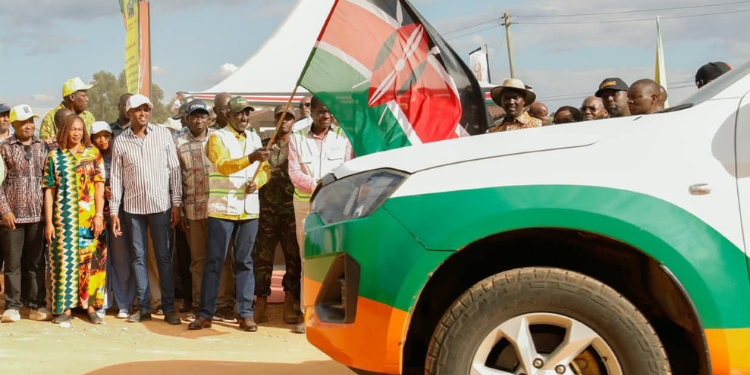
MCK has highlighted an increase in unchecked live broadcasts of political rallies, noting that statements made during such events can breach the Code of Conduct if transmitted without proper editorial oversight.
Also Read: Murkomen Breaks Silence on His Relationship with Johanna Ng’eno After Gachagua Bombshell
Media houses should therefore ensure that editorial content, news items, or commentaries are not published in a manner likely to inflame passions or aggravate tensions. When reporting hate speech for public- interest purposes, offensive words must be redacted.
The Council has also emphasized that a strong and responsible media ecosystem must balance freedom of expression with accountability.
Any material that constitutes hate speech, incitement, or other harmful content carries legal implications for the publisher that airs it.
Even if a controversial statement originates from a public figure at a rally or gathering, the moment it is transmitted through a media channel, it becomes subject to the Code of Conduct for Media Practice in Kenya.
The MCK underscores that this framework exists to protect public interest and social cohesion, ensuring that journalism strengthens democratic governance while respecting Kenya’s principle of unity in diversity.