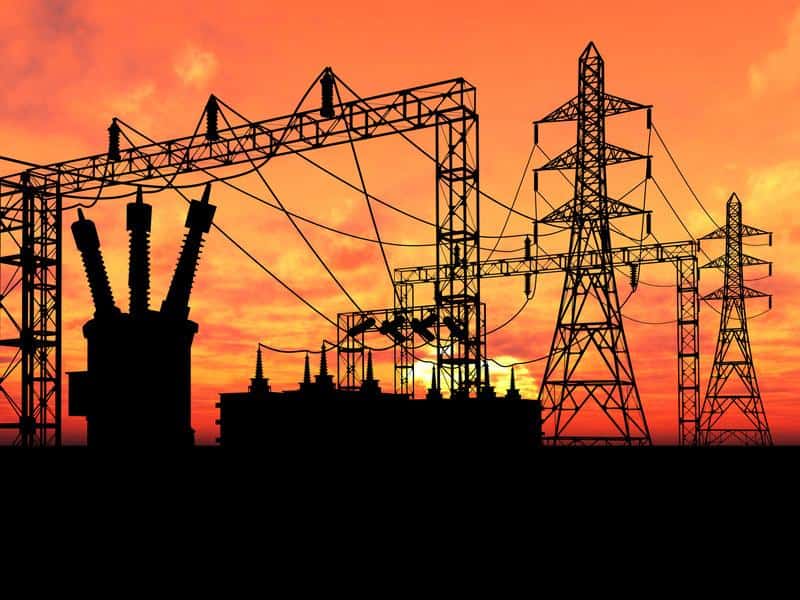

Let me start with the number that matters most to most Kenyans. Right now, in July 2026, if you are an ordinary household consuming 100 to 300 units of electricity a month — what KPLC classifies as a Domestic 3 customer — you are paying approximately Ksh 19.08 per unit in base tariff charges. Add in the June EPRA adjustments: a fuel energy cost charge of Ksh 3.14 per unit, a forex fluctuation charge of Ksh 0.72, VAT at 16%, the Rural Electrification Programme levy, and the EPRA levy, and your effective total cost per unit is pushing Ksh 28 to Ksh 32.
That is expensive electricity. Brutally expensive, in fact. Kenya’s residential electricity rates are, by GlobalPetrolPrices data, approximately 140% of the world average. A small business owner in Nairobi is paying over twice what their counterpart in Ethiopia pays.
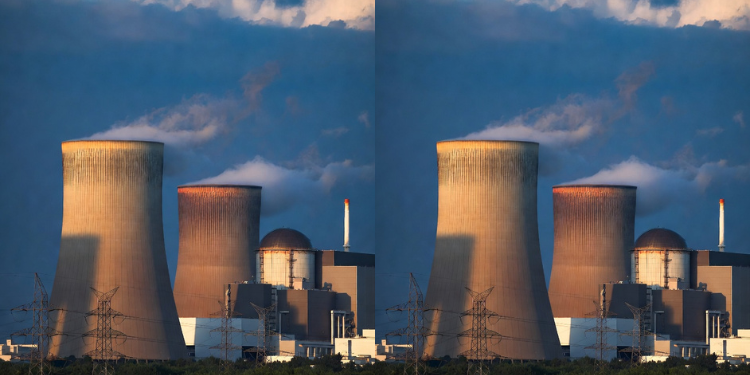
So, when President William Ruto stood at ICoNE 2026 and promised that nuclear power would reduce electricity costs to between 4 and 5.5 US cents per unit — roughly Ksh 5 to Ksh 7 at current exchange rates — it sounded almost too good to be true.
Is it?
The Government’s Promise on nuclear energy
The official position, as stated by President Ruto and confirmed by NuPEA CEO Justus Wabuyabo, is this: the Siaya nuclear plant will generate electricity at a production cost of 4 to 5.5 US cents per kilowatt-hour. This compares with Kenya’s current weighted-average generation cost of approximately 9 US cents per unit.
If you halve the cost of generating electricity, the theory goes, you halve what consumers pay.
There is real economic logic here. The reason your KPLC bill is so painful is partly structural. A significant portion of what you pay every month is not the cost of the electricity itself — it is fuel surcharges, forex adjustments, and the cost of running expensive diesel-powered thermal plants whenever the grid needs extra power. These thermal plants, which burn imported heavy fuel oil, are the single biggest driver of the monthly EPRA adjustment, which adds Ksh 3-5 to every unit you buy.
Also Read: Nuclear Energy Debate: An Invented Crisis with billions of casualties
Nuclear power eliminates that volatility. Once a nuclear plant is built and its capital costs are locked in, the fuel — uranium — is relatively cheap, and its price does not fluctuate with global oil markets or the Kenya shilling’s performance against the dollar. A nuclear plant running at full capacity in 2034 would not add a fuel energy cost charge to your bill every November. That alone would be transformative.
Why the Savings Won’t Be Immediate — Or Simple
Here is where responsible analysis demands honesty about the complexity.
The journey from “nuclear generation costs 5 US cents” to “your KPLC bill goes down” involves several steps, each with its own risks.
Step one: capital cost repayment. Nuclear plants are cheap to run but extraordinarily expensive to build. The Ksh 500 billion construction cost will be financed over 20 years. During that repayment period, those capital costs must be factored into the power purchase agreement price. Independent analysis of nuclear projects globally suggests that the levelised cost of electricity — which includes capital repayment — typically ranges from 6 to 12 US cents per unit for new nuclear, depending on how efficiently the project is financed.
Step two: transmission losses. Kenya’s electricity grid loses approximately 23% of all power generated to transmission and distribution inefficiencies. Getting power from a plant in Siaya to Nairobi or Mombasa requires a substantial grid upgrade investment — one that is not currently costed into the Ksh 500 billion headline figure.
Step three: the pass-through mechanism. The tariff you pay is set by EPRA, not KenGen or NuPEA. EPRA adjusts tariffs based on a weighted average of all generation costs across the system. When nuclear comes online at 5 US cents, but thermal, wind, and geothermal are still part of the mix, your bill will reflect a blended average — not purely the nuclear rate.
Also Read: Can Siaya Nuclear Plant Solve Kenya’s Growing Energy Crisis?
Step four: When exactly does the plant go online? Construction is planned to start in 2027, with commissioning in 2034. That is eight years away. Your electricity bill between now and then will continue to be set by the current cost structure.
A Realistic Scenario
Here is a grounded, honest projection: if the Siaya plant is built on schedule, financed efficiently under the PPP model, and operates at its design capacity, it should meaningfully reduce the weighted average cost of generation in Kenya’s electricity mix by the late 2030s. Modeling from comparable nuclear programmes suggests reductions of 20 to 35% in electricity costs over the medium term are achievable — not the 80% reduction the most optimistic government statements imply.
That is still significant. For a household currently paying Ksh 4,000 a month on electricity, a 25% reduction means Ksh 1,000 back in their pocket every month. For a small manufacturer spending Ksh 2 million a month on electricity, the savings are transformative.
But Kenyans deserve the honest version of this promise, not just the headline number. The question is not whether nuclear can reduce electricity costs — the evidence from France, South Korea, and Finland suggests it can. The question is whether Kenya will build it efficiently, finance it prudently, and operate it competently.
If the answer to all three is yes, your electricity bill in 2038 will be materially lower than it is today. That is a promise worth holding the government to — but one that must be earned, not assumed.
Follow our WhatsApp Channel and X Account for real-time news updates.