As technology continues to advance at a rapid pace, the demand for electricity is rising just as fast. From industries and electric mobility to digital infrastructure and manufacturing, modern economies depend heavily on reliable and affordable power. For Kenya, a country pursuing ambitious industrial and economic growth under Vision 2030, the conversation around expanding the national energy mix has never been more urgent.
Currently, Kenya generates slightly over 2,300MW of electricity, a figure experts say may not be enough to sustain the country’s future economic transformation. While Kenya has made remarkable progress in renewable energy through geothermal, hydro, wind, and solar power, policymakers are now exploring additional long-term energy solutions — including nuclear energy.
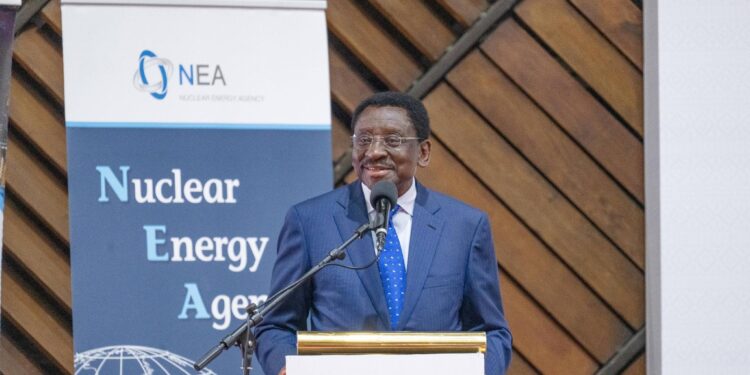
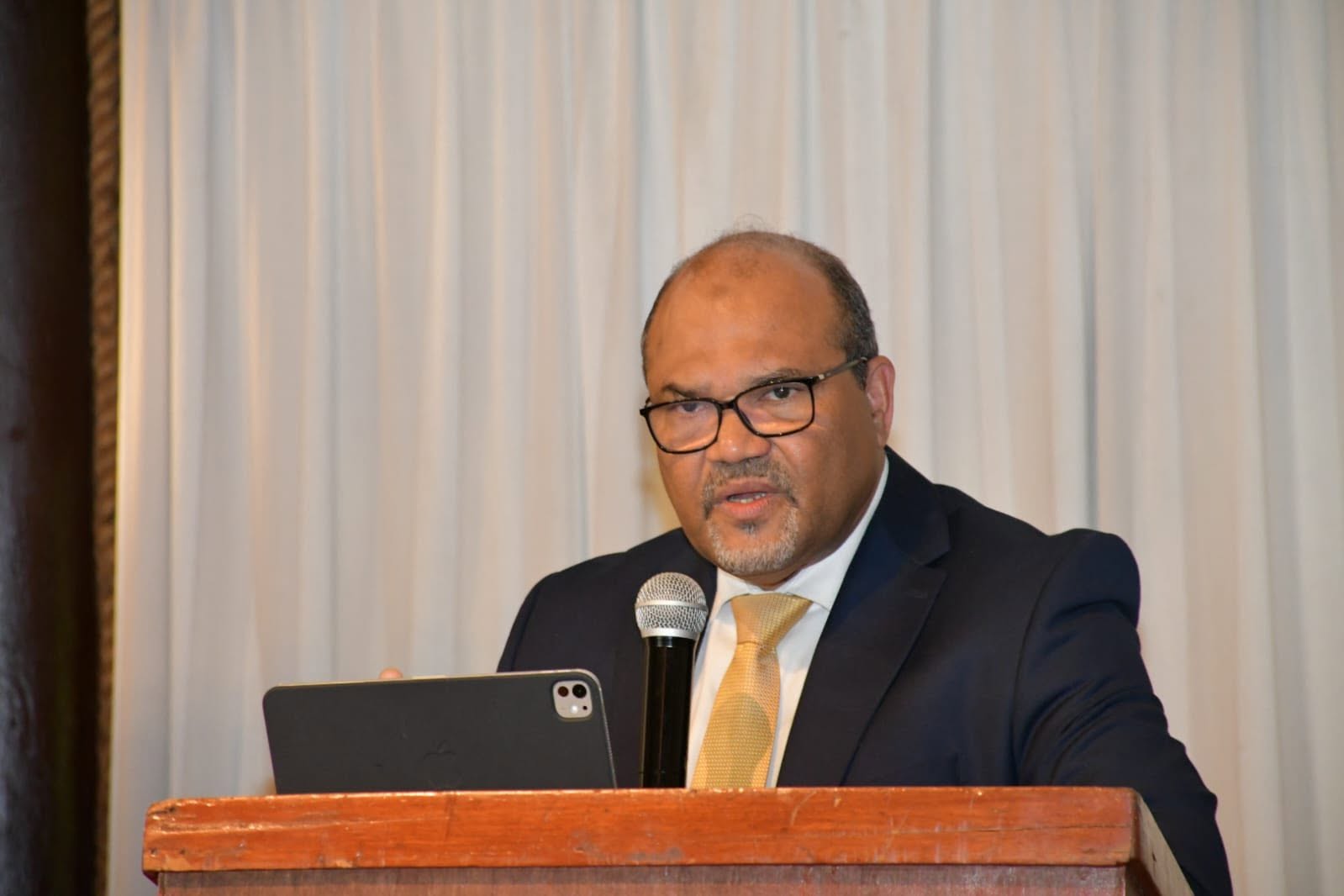
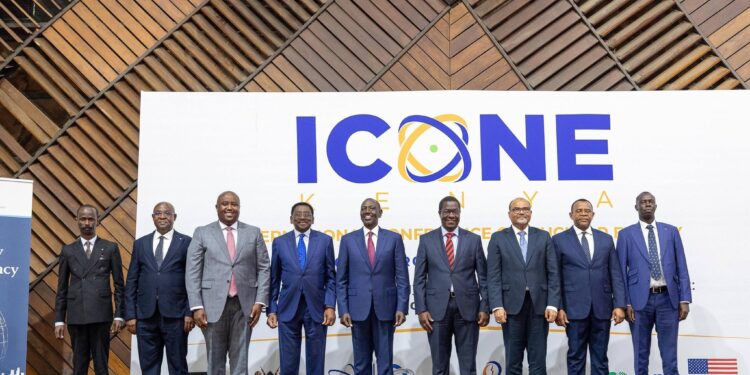
Recently, Kenya hosted the International Conference on Nuclear Energy (ICoNE) for Africa, bringing together policymakers, regulators, scientists, and industry leaders from across the continent to discuss Africa’s transition toward clean nuclear energy. The summit focused on financing nuclear projects, strengthening regulatory cooperation, and advancing the adoption of nuclear technology in Africa.
The conference also highlighted Kenya’s growing progress toward integrating nuclear power into its national energy mix. With electricity demand rising due to industrialization, urbanization, and population growth, the forum marked another major step toward establishing the country’s first nuclear power plant.
NuPEA’s role in actualizing Kenya’s Nuclear Energy dream
At the center of this ambitious programme is the Nuclear Power and Energy Agency (NuPEA), the institution mandated to spearhead Kenya’s nuclear energy journey. Acting as the Nuclear Energy Programme Implementing Organization (NEPIO), NuPEA is responsible for overseeing the long-term process of introducing nuclear power into Kenya’s electricity system.
One of the agency’s key responsibilities is site identification — finding and securing safe and suitable locations for nuclear power plants and related infrastructure. NuPEA is also tasked with public engagement and advocacy through nationwide awareness campaigns to educate Kenyans about nuclear energy, its benefits, and safety measures.
Also Read: Discourse on the Siaya Nuclear Power Plant Should Be Factual
In addition, the agency coordinates stakeholder engagement by working closely with government ministries, universities, energy utilities, local communities, and international organizations, including the International Atomic Energy Agency (IAEA).
However, the recent protests witnessed in Siaya County have sparked fresh debate about whether Kenya is fully prepared to construct its first nuclear power plant. The proposed multi-billion-shilling project, estimated to cost nearly KSh500 billion, is expected to begin construction in 2027.
Some residents have raised concerns over what they describe as inadequate public participation, while others fear potential long-term health risks associated with nuclear materials, including cancer and environmental contamination. The demonstrations have amplified calls for transparency, community involvement, and continuous public education before the project moves forward.
Aligning with the people through public participation
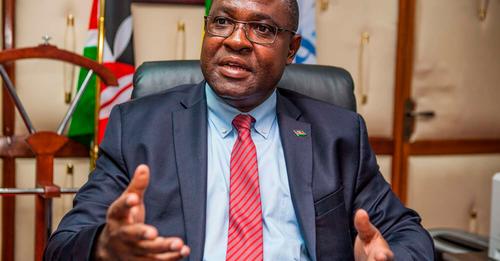
Responding to the concerns, NuPEA CEO Justus Wabuyabo acknowledged the importance of listening to local communities, emphasizing that public participation is both a constitutional right and a technical necessity for the success of Kenya’s nuclear programme.
According to Wabuyabo, the stakeholder engagement process is ongoing and is now shifting from high-level institutional planning to grassroots sensitization at the village level. He assured Kenyans that no infrastructure would be developed without broad and informed community consent.
He further stated that NuPEA is committed to implementing a transparent and comprehensive public education campaign to address concerns surrounding safety, land use, livelihoods, and environmental protection.
Also Read: Can Kenya Finally Get Reliable, Affordable Power Without Repeating Costly Mistakes?
Indeed, major national projects require patience, trust-building, and continuous dialogue. As the saying goes, Rome was not built in a day. The success of Kenya’s nuclear ambitions will largely depend on how effectively the government and stakeholders engage ordinary citizens and address public fears through science, transparency, and accountability.
Supporters of the project argue that expanding Kenya’s power generation capacity could significantly lower electricity costs, attract investors, and accelerate industrial growth. The proposed Siaya nuclear power plant is projected to generate between 1,000MW and 2,000MW by 2030 — a major boost to the country’s energy supply.
If successfully implemented, nuclear power could become one of the key pillars supporting Kenya’s long-term economic transformation, helping the country meet rising energy demands while reducing dependence on fossil fuels. However, balancing development ambitions with public trust and environmental safety will remain the defining challenge of Kenya’s nuclear journey.
Follow our WhatsApp Channel and X Account for real-time news updates.