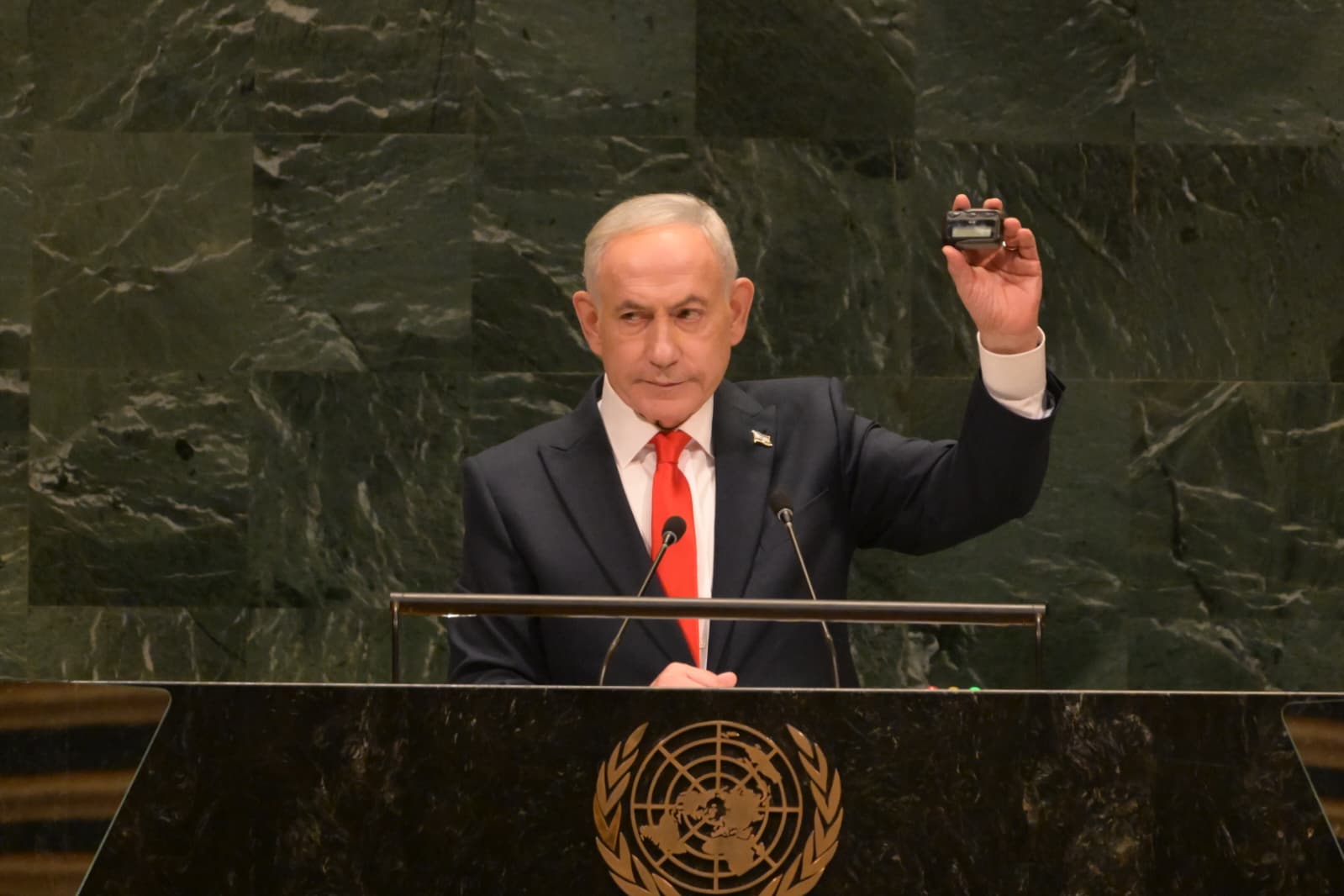
Trump posted on Truth Social that he would seek the rehearing immediately.
“This miscarriage of justice will destroy America if they don’t change their absolutely insane decision,” he wrote. The move sets up another round in a long-running debate over the scope of the 14th Amendment.
Supreme Court Rejects Trump Order
On the final day of its term, the Supreme Court ruled against the executive order. Chief Justice John Roberts wrote the majority opinion, joined by Justice Amy Coney Barrett and the court’s three liberal justices Sonia Sotomayor, Elena Kagan and Ketanji Brown Jackson.
“Citizenship, then and now, was the right to have rights to freely participate in our political community,” Roberts wrote in his 26-page opinion. “The Framers of the Fourteenth Amendment extended that promise to ‘every free-born person in this land.’”
The decision reaffirmed that the 14th Amendment guarantees citizenship to nearly all children born in the United States.
Also Read: Trump Eyes Congress to End Birthright Citizenship After Supreme Court Rejects Executive Order
Justice Brett Kavanaugh voted with the majority to block the policy but disagreed on the 14th Amendment analysis, citing instead federal law that mirrors its language.
Justices Clarence Thomas, Samuel Alito and Neil Gorsuch dissented. Alito wrote a 39-page dissent arguing the court made a serious mistake.
Trump Moves to Challenge Birthright Citizenship
Trump’s announcement comes days after the ruling. While losing parties can petition for rehearing, the Supreme Court grants them infrequently. The court has not granted rehearing in an argued case since 1965 and has not done a full plenary rehearing since 1956.
Federal rules give parties 25 days to file a petition for rehearing unless the court shortens or extends the deadline. The filing would primarily delay the remand to lower courts while the justices consider the request.
The executive order at issue represented a key part of Trump’s immigration agenda. It aimed to end what supporters call “birth tourism” and automatic citizenship for children of undocumented immigrants or temporary visitors.
Also Read: Majority of Americans Support Birthright Citizenship, Putting Trump in a Tight Spot
Legal and Practical Stakes
The 14th Amendment, ratified after the Civil War, states that “All persons born or naturalized in the United States, and subject to the jurisdiction thereof, are citizens of the United States and of the State wherein they reside.” The Supreme Court’s majority leaned on the amendment’s text and history.
If the court were to grant rehearing and reverse course, it could affect hundreds of thousands of Americans born since the order took effect, creating uncertainty about their legal status. Even without reversal, the petition keeps the issue alive as Trump pushes his broader immigration priorities.
The case has drawn attention to how citizenship policy intersects with border security and demographic change.
Supporters of the original order say it would reduce incentives for illegal immigration. Opponents argue it violates a core constitutional principle that has defined American citizenship for more than 150 years.