
She wakes up to a notification about a new follower; even before she has had breakfast, she has already scrolled through 47 images of lives that look better than hers. Before rushing out to go to school, an algorithm has already decided what she should want, who she should admire and what she should feel insecure about. She is ten, and this is just another Tuesday.
Growing up in environments where information is infinite, opportunities are endless, and the future is being built in real time around them, the Gen Alphas, by almost every measure, are the most remarkable generation in history. They are the most globally connected and the most diverse generation the world has ever seen. Being the first generation to be born entirely within the 21st century, they are being raised in a world where artificial intelligence, smart devices, and high-speed internet are not new but the fabric of everyday life.
Therefore, they have become the most emotionally vulnerable generation, growing up faster than they can keep up. Exposed to the entire world around them, the mental well-being of Gen Alphas has become categorically different from that of the generation that preceded. They grow up in a world where natural boundaries are non-existent, unlike previously, where certain issues such as peer pressure, bullying and comparison had geographical limits. As a result, a quiet crisis is unfolding, and it’s happening at a speed that the world is only beginning to grasp.
The hope for this reality is that some schools, like Brookhurst International Schools, are not waiting until the problem becomes impossible to ignore; they are proactive in meeting the crisis at its gates.
Every generation in their childhood has faced hardship, especially regarding mental health. However, what Gen Alpha is experiencing is different, not just in the degree they do, but also in its kind. Previous generations navigated most of their childhood and adolescence offline. Peer pressure and bullying existed, yes, but they were influenced by the immediate environment. Being a generation whose early years were shaped by the COVID-19 pandemic, most Gen Alpha children spent their most critical development years in lockdown.
Social interactions were mediated through screens, and social media became their primary social reality. Endless scrolling, viral comparisons, and curated perfection have become the lens through which Gen Alphas understand themselves and their worth. They grow up aware of what is happening in the world and carry a burden that previous generations were largely spared in their childhood. The result is that they have become a generation more informed, more connected, and yet more anxious, more lonely and more emotionally fragile than those who came before.
This is the reality walking into the classrooms every morning. It is unfortunate that in too many schools, mental health remains a secondary concern. The dominant culture of education still prizes academic output over emotional health, results over resilience and performance over well-being.
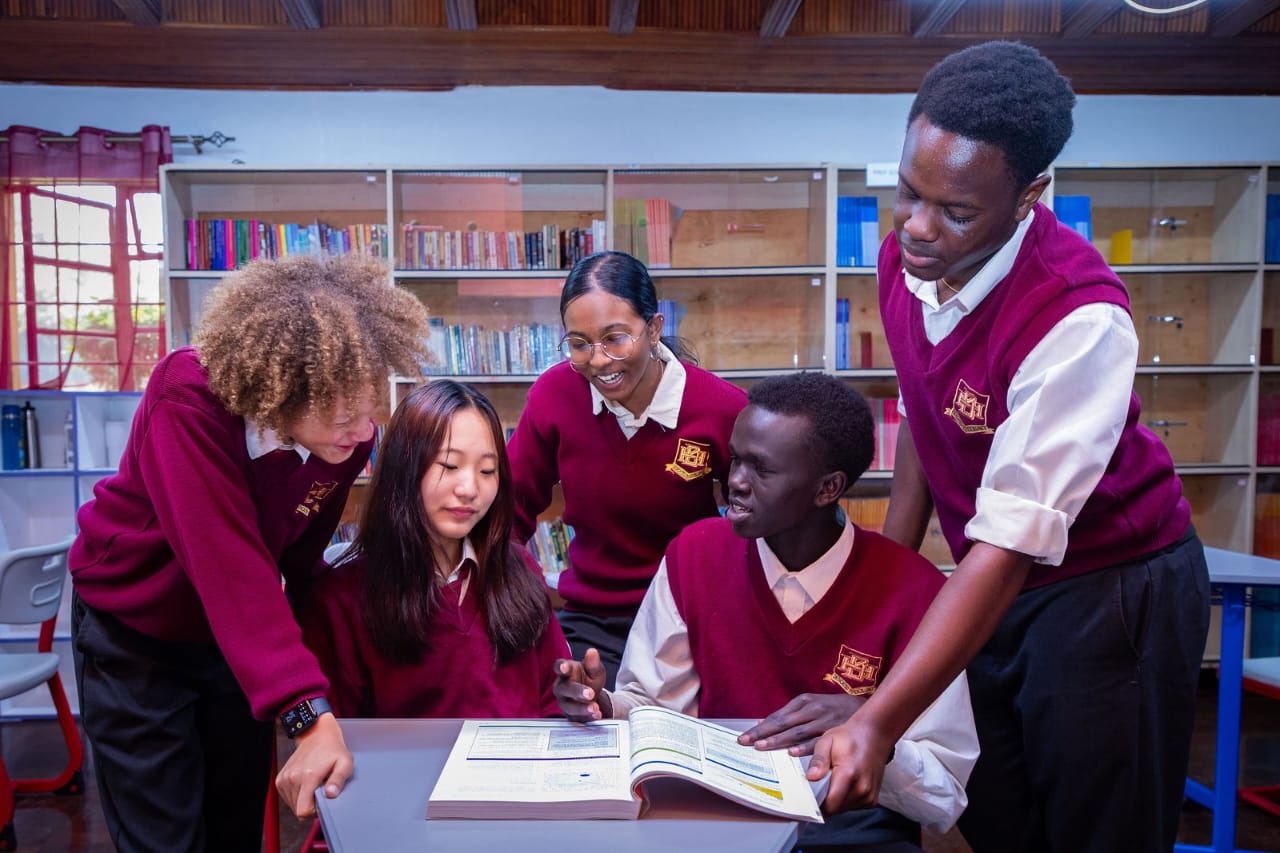
Against this backdrop, Brookhurst International School stands out as an example of what intentional, proactive commitment to students’ mental health looks like. At Brookhurst international schools, academic excellence and emotional well-being are not competing priorities; they are inseparable. This belief is embedded in the daily practice of the institution. Mental health awareness is woven into the curriculum, not just as a one-off workshop or an annual event, but as a consistent thread throughout the learning experience of every student.
The school has invested in establishing a counselling department that operates as a breathing component of the school’s educational life. “Our department takes a proactive and holistic approach to support the students’ mental health by combining well-being education, early intervention and individual student approach. The wellbeing practices are designed to promote emotional resilience, positive relationships and a safe environment.” Lucy, the school counsellor at Brookhurst International Schools, quoted.
Staff across the school receive training in mental health recognition and trauma-informed teaching. Every teacher has been trained to know what to look for, what to say and who to call. The counselling department works closely with teachers to recognise early signs that a student may need additional support. These signs can include changes in behaviour, attendance, academic performance, emotional outbursts or shifts in mood and engagement.
To ensure a stigma-free environment, Brookhurst has created a culture of openness, inclusion and trust where student well-being is treated as a normal and important part of everyday school life through open conversations and a school culture that treats emotional vulnerability as a sign of strength rather than weakness. Ann Wanjiru, the school counsellor at Brookhurst International Schools, Kiserian campus highlighted that, “When students feel valued and supported by trusted adults, they are more likely to feel comfortable reaching out for help when needed.”
The school has placed several safety measures and protocols in protection of the students’ mental health. Brookhurst international schools understands that safety is no longer just about locked gates and security guards; it extends to the emotional corridors of a child’s mind. Therefore, the school has in place a Child Protection and Safeguarding policy and a Child Protection Online Monitoring System (CPOMS), which allows learners to report whenever they feel unsafe, and any safeguarding concern, bullying incident, or suspicious observation reported is followed up promptly and confidentially.
The school has also instituted in place an Anti-Cyber Bullying policy that safeguards the students in the real and virtual world by educating students, staff and parents to understand the implications of cyber bullying and how to deal with it. To prevent incidents of cyberbullying in the school or within the school community, the IT department uses filtering, anti-spyware, anti-virus software and secure connections to safeguard the students.
Another core infrastructure set by the school is consistent and reliable communication channels between home and school in matters of well-being. In understanding that a child’s mental health cannot be managed by the school in isolation, parents are the first to be informed about the mental well-being of their children and work hand in hand with them to offer additional support.
Lucy quotes that, “Looking ahead, Brookhurst international schools continues to strengthen its commitment to students’ mental health and wellbeing by focusing on expanding early intervention strategies, increasing accessibility to support services and further embedding wellbeing across the school culture.”
The mental health of Gen Alpha deserves better than crisis management; it deserves architecture. This generation is navigating a world that has never existed before, in an era moving faster than any of us can fully comprehend. We must choose the kind of world we build around them, and it is schools like Brookhurst international schools that have spearheaded the path we should follow.
Visit: www.brookhurstschool.or.ke
Brookhurst International Schools – Kiserian Campus
Phone : +254 701 221 952 / +254 786 304 694
Email : [email protected]
Brookhurst International Schools – Lavington Campus
Phone : +254 114 178 784
Email : [email protected]