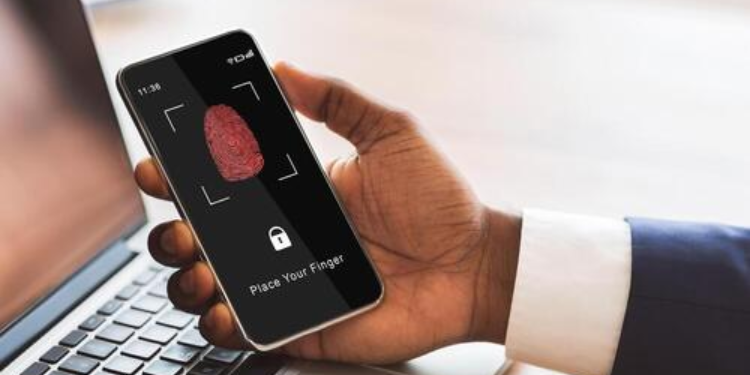
One day, you receive a call from someone claiming to help you resolve a problem with your mobile banking account. The caller sounds convincing and already knows some of your details. Then they ask for the One-Time Password (OTP) sent to your phone to complete the verification.
You share it, thinking you are fixing the problem. Minutes later, you discover that money has moved from your account.
This is how some fraud attempts work. The criminal does not need to steal your card or break into a bank. Instead, they manipulate you into providing the information they need to access your money.
As an Equity customer, you may encounter similar attempts through calls, SMS messages, ATMs, payment cards, mobile transactions or stolen personal information. Understanding the tricks fraudsters use, and knowing how to respond when something looks suspicious, can help you protect your money.
ATM Fraud
Imagine inserting your card into an ATM and noticing someone standing unusually close behind you. As you enter your PIN, the person watches the keypad.
This is known as PIN shoulder surfing. The fraudster can later use the stolen PIN, along with a stolen or cloned card, to try to withdraw money from your account.
Another tactic is to pose as a Good Samaritan.
A fraudster may approach after your card gets stuck or an ATM transaction appears to fail. While pretending to help, they may watch your PIN, take your card or swap your genuine card with another one.
Criminals can also tamper with ATMs to trap cards inside the machine. While you try to retrieve your card, a fraudster may offer assistance, watch your PIN, or swap the card.
If an ATM retains your Equity card, do not give your PIN or card to a stranger. Report immediately to the nearest branch if it is within working hours, or contact Equity immediately through the official contact 0763000 000; if you are using an Equitel line, you can dial 100.
When using an ATM or card machine, always shield your PIN and remain alert to anyone offering unsolicited assistance.
Card Fraud
You could also be targeted while making an ordinary card payment.
A fraudster may try to observe your PIN as you enter it at a point-of-sale machine. They may also attempt to obtain your card details, including the CVV, the three-digit security code on the back of the card.
These details can be used to attempt online purchases without having your physical card. Online shopping presents another risk. Fake or compromised websites can capture your card information when you enter it to pay.
Before entering your Equity card details online, confirm that you are using the legitimate website of the business you intend to pay.
Mobile Payment Fraud
This is when you receive a message saying your landlord, school, supplier, or another service provider has changed their payment details.
The message looks genuine. You send the money. Later, you discover that the new account or mobile number belonged to a fraudster.
Fake payment instructions exploit routine transactions. Before sending money, independently confirm any change in payment details with the intended recipient using a trusted contact. When making a payment, use Equity’s Hakikisha service to confirm the recipient’s details before completing the transaction. If the name displayed does not match the person or business you intend to pay, stop and verify the details.
Another common trick involves someone claiming they sent you money by mistake.
They ask you to refund it immediately. Don’t act on the request just because the caller or message seems convincing. First, check your account and confirm that the original transaction occurred.
You may also receive a call from someone claiming to help you with mobile banking verification, account recovery or backup services. If they ask for your OTP, stop.
Never share your OTP, PIN or password with anyone.
Identity Theft
Sometimes the fraudster does not need to contact you at all.
A lost or stolen national identity card or passport can be used to impersonate you, attempt SIM replacement, access financial accounts or apply for credit facilities in your name.
Your email account can also be targeted. If criminals gain access, they may try to reset passwords or take control of financial accounts linked to your email.
Report lost or stolen identification documents promptly and protect your email account with a strong, unique password and additional security measures where available.
Emergencies
A message from someone claiming to be a relative says they have been involved in an accident and urgently need money.
Another claims to be calling on behalf of a family member who is in hospital. The pressure is deliberate.
Fraudsters use emergencies to make you act before you have time to verify the request. Even when the situation appears urgent, contact the person through another trusted channel and confirm the story before sending money.
The same principle applies to unexpected requests from businesses, institutions and people you know. Verify first. Pay second.
What to Do If You Suspect Fraud
If you notice an unfamiliar transaction, lose your card or believe someone has obtained your banking credentials, act immediately.
Contact Equity through an official customer service channel via 0763 000 00 and report what has happened. Do not continue communicating with the suspected fraudster or use contact details they have provided.
If you have received a suspicious SMS, call, email or payment request, keep the relevant information where possible. Details such as the phone number, message or transaction information can help when reporting the incident. You can forward the suspicious mobile number and message to 333.
If your card or account has been compromised and you notice suspicious or fraudulent transactions, do not wait for the situation to resolve itself; contact Equity immediately.
A few seconds spent checking a payment or refusing to share confidential information can help prevent a fraudster from accessing your money.
For tips on secure banking, visit: Secure Banking Tips | Equity Bank Kenya
#KaaChonjo
Follow our WhatsApp Channel and X Account for real-time news updates