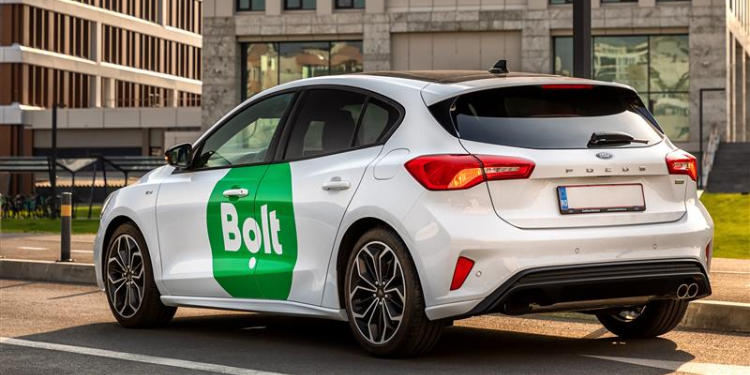
Ride-hailing company Bolt has hosted a road safety and vehicle maintenance workshop at its Driver Engagement Centre for female drivers.
The engagement was designed to provide practical training in road safety, flood management, and vehicle maintenance.
Speaking during the event, Lydia Mwaniki, a driving expert citing the World Health Organization (WHO), stated that road traffic accidents are the leading non-disease-related cause of death globally.
The aim of the training was to help women drivers become more confident, alert, and prepared, particularly during difficult driving conditions.
Bolt Hosts Defensive Driving and Flood Awareness Workshop
The primary focus of the workshop was defensive driving, with trainers encouraging drivers to always stay alert and anticipate potential dangers on the road.
Also Read: How New Bolt Dash Cams Will Enhance Trip Safety and Accountability
According to Mwaniki, a driver is never right since any decision taken can cause an accident.
Drivers were taught to constantly scan ahead for hazards and avoid reacting at the last minute.
Maintaining a safe distance from the vehicle ahead was strongly emphasized. Drivers should keep at least a three‑second gap to allow enough time to stop safely if traffic suddenly slows down.
The distance should also be increased during rainy conditions with poor visibility.
Drivers were reminded to always check blind spots before changing lanes and to indicate early to avoid sudden movements. Drivers urged to be cautious around matatus and boda bodas, which often stop abruptly and make unpredictable turns.
Proper lane discipline and patience were identified as the primary means of reducing accidents and improving traffic flow.
Flood Awareness and Emergency Situations
The Nairobi region is currently experiencing heavy rainfall, which is causing flooding.
Drivers were warned about the dangers hidden in floodwaters, including potholes, debris, and damaged road surfaces that are not visible from the surface.
According to Joan Nyambura, an Auto Technician at Fourreal Inspections, shallow water can be dangerous, with as little as 15 centimeters of fast‑moving water capable of knocking a person off balance, while deeper water can easily stall vehicles or sweep them away.
During the rainy season, flooded roads should be avoided for the safety of the driver and passenger, as well as the maintain the vehicle.
Drivers were advised to avoid flooded roads where the depth is unknown, especially in underpasses and low‑lying areas.
Also Read: Bolt Guarantees Zero Penalties Policy for Drivers Who Turn Down Safety-Flagged Trip
Safety Measures When in Flooding Conditions
Do Not Restart
- Attempting to start a stalled engine in water can cause severe engine damage (hydro-lock).
- Keep the ignition off and focus on personal safety.
Exit Safely
- If water levels rise, leave the vehicle immediately.
- Move to higher ground.
- Never stay inside a vehicle that is surrounded by rising water.
Call for Help
- Once in a safe location, contact emergency services or a professional recovery service.
- Have a mechanic inspect the car before any future use.
Vehicle Maintenance and Personal Safety
The workshop also reminded drivers that taking care of their vehicles can help avoid breakdowns and accidents.
Vehicle Maintenance Checklist
- Engine Fluids – Check your engine oil and coolant levels at least once a week, as proper lubrication and cooling are essential to prevent catastrophic engine failure
- Braking System – Monitor brake fluid levels regularly, because low fluid can indicate leaks or significantly worn brake pads, both of which require immediate professional attention to maintain safe stopping power.
- Battery Health – Inspect battery terminals for any signs of corrosion and make sure the battery is securely mounted to prevent vibration damage
- Tyre Pressure – Maintain the manufacturer-recommended tyre pressure to ensure optimal fuel efficiency, better grip, and safe handling
- Tyre Tread Depth – Examine the tread on tyres for wear, because bald tyres are extremely dangerous in wet conditions and can reduce traction, increasing the risk of accidents
- Tyre Inspection – Look carefully for cuts, bulges, or embedded objects on tyres and make sure the spare tyre is properly inflated and ready for use in case of emergencies.