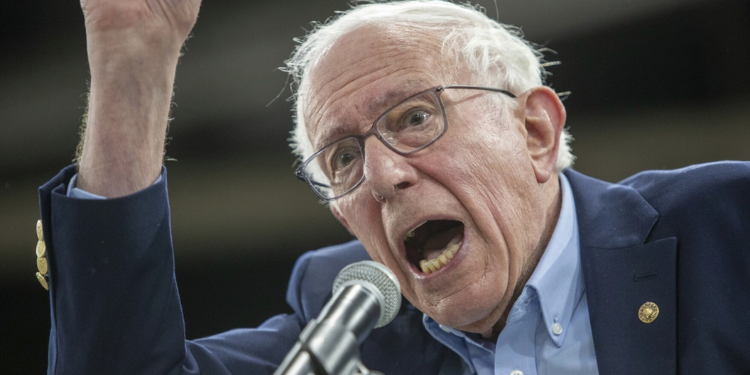
U.S. Senator Bernie Sanders has vowed to force a vote in Congress to block nearly $500 million (Ksh64.6 billion) in U.S. military assistance to Israel, hours after Italy suspended a longstanding defense cooperation agreement with the Israeli government.
In a post on his official X account on April 14, Sanders, an independent senator from Vermont, said he would introduce joint resolutions of disapproval to stop the delivery of U.S.-supplied bombs and heavy machinery, including bulldozers, to Israel.
“This week, I will be forcing a vote to block nearly $500 million in bombs and bulldozers to Israel. Enough is enough,” Sanders stated.
According to Sanders, the proposed arms transfers were approved under emergency authority, allowing the administration to bypass the standard congressional review process.
The package includes munitions and equipment intended for Israel’s ongoing military operations in Gaza, Lebanon, and against Iran-linked targets.
Banders’ View on Funding Israel
Sanders has repeatedly sought to block U.S. weapons sales to Israel over the past two years.
In March, he filed three joint resolutions to stop more than $650 million (Ksh83.98 billion) in bombs scheduled for transfer to Israel.
Those measures did not pass but attracted more supporting votes than similar efforts in previous years.
Also Read: Italy Halts Automatic Renewal of Defense Deal with Israel
Under U.S. law, resolutions of disapproval must pass both chambers of Congress, and either be signed by the president or be enacted over a presidential veto to take effect.
Congress has never successfully blocked a major arms sale to Israel.
Sanders’s renewed push came as Israel faces mounting diplomatic pressure from European allies.
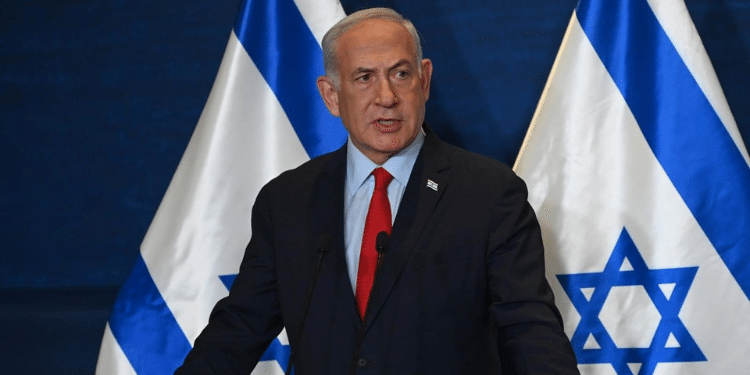
Earlier on Tuesday, April 14, Italian Prime Minister Giorgia Meloni said her government had suspended the automatic renewal of a defense cooperation agreement with Israel that has been in place for nearly two decades.
The agreement, signed in 2003 and in force since 2006, covers defense procurement, training, research and development, and the import, export, and transit of military equipment.
It was to be automatically renewed every five years unless either party withdrew.
Meloni said Italy had taken the step “in light of the current situation” in the Middle East.
The suspension followed rising tensions after Israeli forces fired warning shots near a convoy of Italian peacekeepers serving with the United Nations Interim Force in Lebanon last week, damaging a vehicle but causing no injuries.
Italy summoned Israel’s ambassador following the incident. Israel later summoned Italy’s envoy to discuss the situation in Lebanon.
Italy had already halted the issuance of new arms export licenses to Israel in October 2024, while continuing previously approved deliveries.
Israel’s foreign ministry said Italy’s move would not affect Israel’s security, describing the defense agreement as a memorandum of understanding without substantive operational impact.
Also Read: China Warns US Over 50% Tariffs Linked to Iran Claims
The Italian decision followed weeks of deteriorating relations between Israel and several European governments.
Spain was recently removed by Israel from a U.S.-led civil‑military coordination body overseeing humanitarian access to Gaza, after Madrid criticized Israeli military operations and restricted the use of Spanish airspace for military flights.
Global View of Israeli Attacks
Governments and international institutions across regions have responded unevenly to Israel’s military operations in Gaza, Lebanon, and targets linked to Iran.
Ireland, Belgium, and Norway have issued repeated calls for an immediate halt to Israeli military operations and expanded humanitarian access.
France and Germany have continued to support Israel’s right to defend itself while urging restraint, protection of civilians, and respect for international law.
The European Union has remained divided, preventing a unified suspension of formal ties, though EU officials have acknowledged rising civilian casualties and humanitarian concerns.