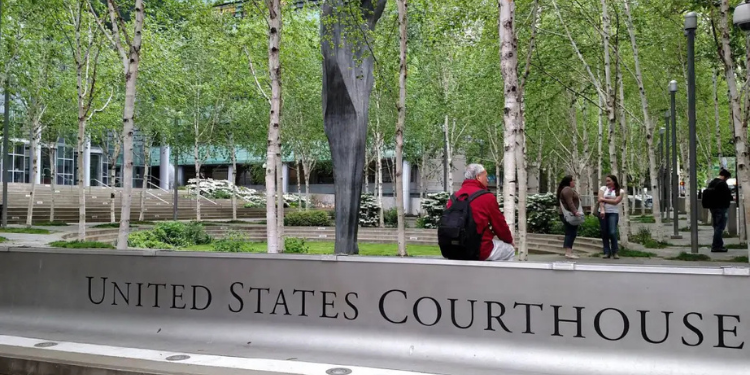
The Trump administration secured another courtroom victory on Thursday, July 2, after a federal appeals court temporarily blocked an order requiring the National Park Service to restore signs, exhibits, and other public displays that had been removed during the administration’s review of park content.
The ruling allows the Trump administration to keep the disputed signs and exhibits removed while the legal challenge continues, marking the latest development in the fight over how American history is presented at national parks.
Appeals Court Pauses Order to Restore National Park Displays
The decision came from a three-judge panel of the 1st U.S. Circuit Court of Appeals, which concluded that the lower court had relied on legal grounds that did not justify requiring the immediate restoration of the materials.
The case stems from a policy introduced after President Donald Trump directed federal agencies to review public-facing content that his administration said unfairly portrayed the United States or focused on themes that were inconsistent with the intended purpose of national parks.
Why the Trump Administration Removed the Materials
Last year, Interior Secretary Doug Burgum instructed the National Park Service to identify exhibits, signs, and educational materials that “inappropriately disparage Americans past or living” or place emphasis on subjects unrelated to the nation’s natural beauty and historic achievements.
The review led to the removal of some materials addressing topics such as climate change, slavery, and immigration from various national park sites.
Several conservation and park advocacy organizations challenged the policy in federal court, arguing that the removals amounted to censorship and distorted the historical record.
The National Parks Conservation Association, the Association of National Park Rangers, and other groups filed suit against the Department of the Interior and the National Park Service earlier this year, seeking to restore the removed content.
Last month, U.S. District Judge Angel Kelley sided with the organizations and ordered the federal government to reinstall the materials within 21 days.
Kelley wrote that the administration’s actions risked creating “a dangerous precedent of censorship and sanitization.”
Appeals Court Explains Why It Blocked the Restoration Order
The Trump administration appealed that decision, arguing that the lower court had applied the wrong legal standard when granting the injunction.
On Thursday, the appeals court agreed to pause the district court’s order while the broader appeal proceeds.
The judges concluded that the administration had made a strong showing that the harms identified by the district court did not satisfy the legal requirements for issuing a preliminary injunction.
The panel also found that the advocacy groups had not demonstrated they would suffer substantial injury if the materials remained removed during the appeal.
What the Ruling Means While the Lawsuit Continues
According to the ruling, the lower court’s finding that the administration was erasing parts of American history and harming public trust did not establish specific, irreparable harm experienced by the organizations bringing the lawsuit.
The judges further said the plaintiffs failed to provide concrete evidence linking the Interior Department’s directives to their claims of reputational damage or declining membership.
The three-judge panel included Judges David Barron, Gustavo Gelpí and Julie Rikelman.
The ruling does not resolve the underlying legal dispute. Instead, it temporarily suspends the restoration order until the appeals court fully considers the case.
Debate Over How American History Is Presented in National Parks
The Trump administration has defended the review of National Park Service materials as part of a bigger effort to promote what it describes as a more balanced presentation of American history.
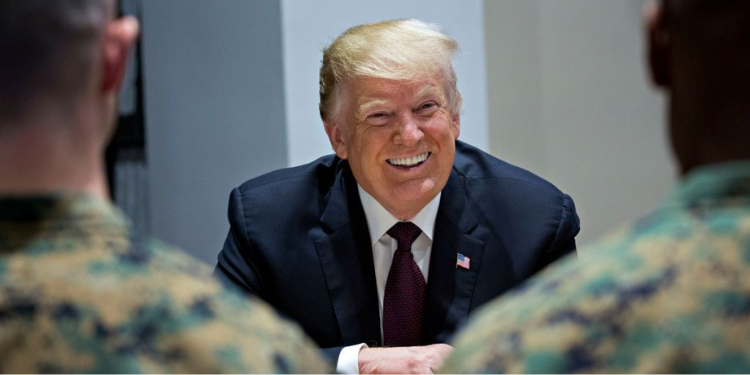
Trump has said some federal historical displays have become too ideological, arguing that national parks should celebrate the country’s heritage instead of dwelling on narratives that portray the country in a bad light.
Trump’s supporters and others in his administration say the review is intended to restore national pride and ensure that visitors are taught a history that includes both America’s accomplishments and its challenges.
Critics, however, argue that removing discussions of slavery, climate change and immigration amounts to rewriting history and limiting public access to important historical context.
They also contend that national parks serve an educational role, including presenting difficult chapters of American history.
The lawsuit remains pending in federal court, where judges will ultimately determine whether the administration’s policy complies with federal law.