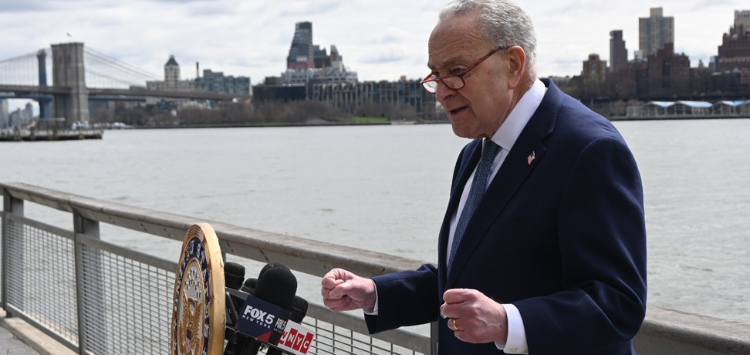
Frustration has been building quietly inside the Democratic Senate caucus for months. With Republicans holding a 53-47 majority, some lawmakers, senior aides, and big donors are openly wondering whether Minority Leader Chuck Schumer should step down after the November 2026 midterms.
The conversations have taken place at private dinners, staff meetings, and donor events, and they center on how the party fights President Trump and selects candidates for the toughest races.
Dissent Grows Over Strategy and Primary Interference
Several senators have grown unhappy with Schumer’s approach. Chris Murphy of Connecticut, Elizabeth Warren of Massachusetts, and Tina Smith of Minnesota have all expressed dissatisfaction, especially over his support for more centrist candidates in key contests.
Progressives argue that Senate leadership should stay completely out of contested primaries and let fresh, outsider voices energize the base.
Warren and Oregon’s Jeff Merkley have linked their concerns directly to how Schumer handled last year’s government shutdown and earlier spending battles. They say his style left members feeling sidelined or even misled at critical moments.
Murphy still backs Schumer but has pushed back against any suggestion that he is quietly counting votes to force a change.
Also Read: Trump’s Message to Unpaid Workers as Schumer and Jeffries Face the Heat in DHS Funding Standoff
Schumer himself brushed off the talk. “Criticism goes with the territory for any leader,” he said, insisting his “support in the caucus is deep and strong” and that he has done “a very good job” preparing Democrats to retake the Senate in November.
His allies agree that some friction is normal for a minority leader and point out that he helped build a solid group of candidates heading into the midterms. Hawaii’s Brian Schatz has publicly credited Schumer with putting together that strong class, calling the grumbling simply part of the job.
Fundraising Struggles Add to the Pressure
Money worries are making the situation worse. At a major gathering of Democratic donors in Washington last fall, senators and aides faced blunt questions about who would replace Schumer if he stepped aside.
The party’s main super PAC, Senate Majority PAC, started 2026 with just $36 million in the bank and $12.4 million in debt. By contrast, the leading Republican counterpart had $100 million in cash and no debt. Those numbers have left many donors restless and looking for a clearer plan.
The broader debate inside the party is about how aggressively Democrats should oppose Trump. Some want bolder moves and riskier candidates; others worry that too much change could cost seats in swing states.
Potential Successors Emerge as Talk Turns to 2028
Names have already started circulating in private. Maryland’s Chris Van Hollen has been mentioned, but people close to him say he is not interested in the job. Nevada’s Catherine Cortez Masto has also come up, but her office has made it clear she is not seeking the role right now.
Also Read: Democrats Opposing Voting Bill Face Consequences as Republicans Plan Political Push
Brian Schatz of Hawaii stands out as the person Schumer himself appears to favor as a future leader. Several Democrats are urging Schumer to commit now to retiring when he faces reelection in 2028.
They believe a clean generational shift would send a stronger message to voters. Others insist any real move should wait until after November, when Senate Democrats will hold their usual secret-ballot leadership election.
For the moment, the pressure remains behind closed doors. No public challenge has been launched, and Schumer shows no sign of stepping away early. Still, the steady drumbeat of private conversations suggests that once the midterms end, the question of who leads the Senate Democrats will move quickly from whispers to open debate.