A bipartisan housing bill will become law without President Donald Trump’s signature after he said he would not sign the measure, blaming the Senate for not passing the SAVE America Act.
Trump made the announcement Friday in a post on Truth Social, saying he would withhold his signature as a protest against congressional inaction on the election bill, which has become one of his top legislative priorities ahead of the November midterm elections.
“I will not sign the Housing Bill, which has been fully approved by Congress and sent to the White House, in PROTEST over the fact that the United States Senate is not capable of passing THE SAVE AMERICA ACT,” Trump wrote.
The president argued that the election proposal has overwhelming support among Republicans and accused the Senate of failing to act.
Housing Bill Advances Despite Trump’s Decision
The housing legislation cleared both chambers of Congress with bipartisan support after months of negotiations between Republicans and Democrats.
Rather than vetoing the measure, Trump indicated he would simply decline to sign it.
Since Congress remains in session and no veto has been announced, the legislation is expected to become law automatically once the constitutional review period expires.
Also Read: Trump Refuses to Sign Housing Bill Until Senate Passes SAVE Act
The White House did not indicate that Trump planned to veto the bill and offered no additional comment following the president’s social media post.
The bill is one of the most significant federal housing policy packages approved in years. Lawmakers from both parties promoted it as an effort to improve housing affordability while expanding support for homebuyers, renters and residential development.
Trump Links Housing Bill to Election Proposal
Trump has repeatedly tied the housing measure to the SAVE America Act, using it as leverage to pressure Congress to approve the voting legislation.
The president previously canceled a planned White House signing ceremony after lawmakers failed to advance the election bill.
He has argued that the housing package should not receive his approval while the Senate continues to block legislation that he considers more important.
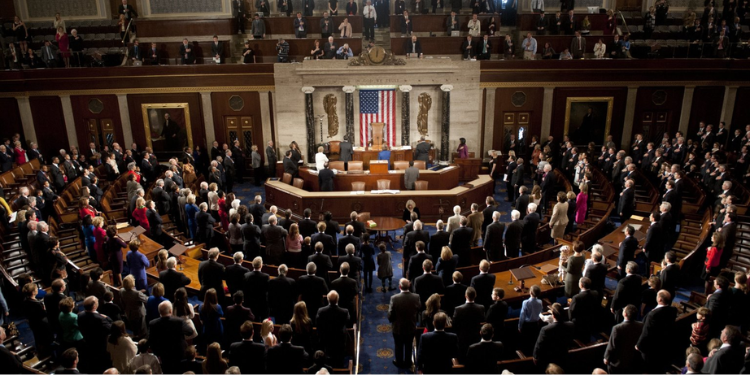
The SAVE America Act would require proof of U.S. citizenship when registering to vote and would establish additional voter identification requirements in federal elections.
The proposal passed the House earlier this year but has stalled in the Senate, where it faces unified Democratic opposition and lacks enough Republican support to overcome the filibuster.
Republican Leaders Expected Trump to Sign
House Speaker Mike Johnson formally sent the housing bill to the White House after Congress completed work on the legislation.
Before Trump’s latest announcement, Johnson and other Republican leaders had publicly expressed confidence that the president would eventually sign the bill despite earlier delays.
Instead, Trump renewed pressure on Congress by stating that he would not attach his signature unless lawmakers advanced the election legislation.
His decision means the housing bill will become law without the traditional White House signing ceremony that often accompanies major legislation.
Democrats Criticize Trump’s Priorities
Democratic leaders have since condemned Trump’s decision, arguing that he had chosen election legislation over policies intended to help American families.
House Minority Leader Hakeem Jeffries said Republicans were placing greater emphasis on voting restrictions than on addressing housing affordability.
Senate Democratic Leader Chuck Schumer also criticized the president’s position, saying it showed misplaced priorities at a time when many Americans are facing rising housing costs.
SAVE America Act Remains in Limbo
Although Trump continues urging Congress to approve the SAVE America Act, the legislation currently has no clear path through the Senate.
Republicans support the proposal to strengthen election integrity by requiring documentary proof of citizenship for voter registration and expanding identification requirements.
Democrats argue the measure would make it harder for eligible Americans to vote and have shown little willingness to advance it.
The dispute has effectively left the legislation stalled despite Trump’s repeated public appeals.
Housing Law Takes Effect.
Trump’s refusal to sign the housing bill does not stop it from becoming law.
Instead, the law will automatically take effect after the constitutional waiting period expires on Saturday, July 11, 2026, allowing its housing provision to take effect without presidential approval.