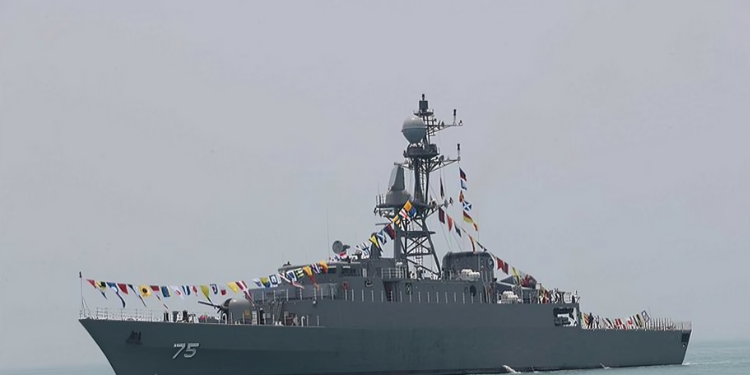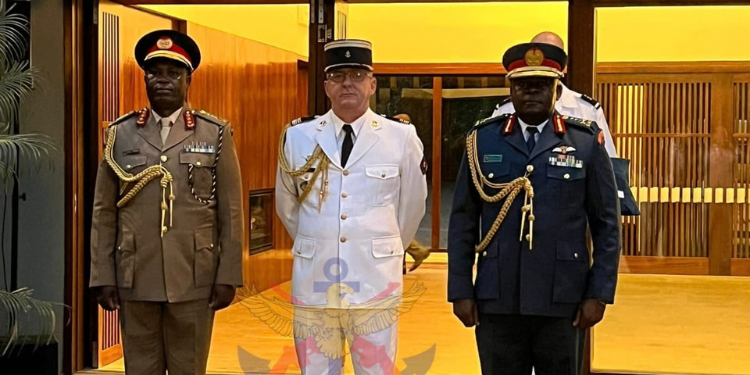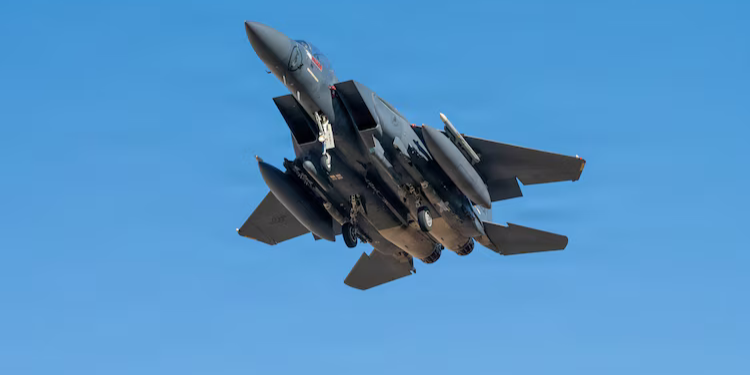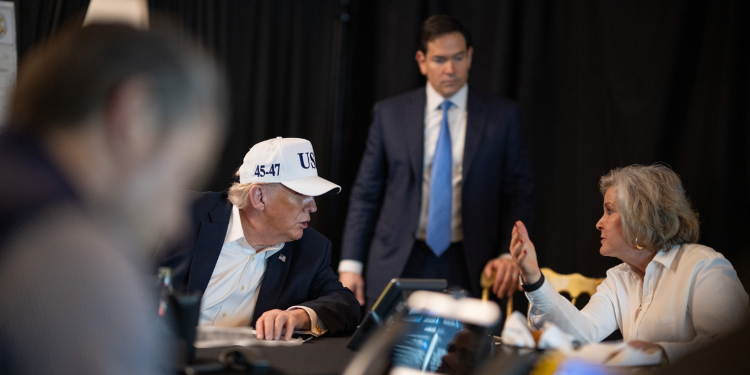
US intelligence reports have shown Iran is racing against time in making deadly preparations on Kharg Island, preparing the scene for what could become a bloodbath if American troops try to seize the remote oil hub in the Persian Gulf.
According to sources familiar with the most recent assessments, as reported by CNN on Wednesday, March 25, Tehran has been moving extra troops and air defenses to the tiny island while laying anti-personnel and anti-armor mines along the shorelines where any amphibious landing would likely happen.
Shoulder-fired surface-to-air missiles, known as MANPADs, have also shown up in greater numbers in recent weeks.
The steps unfold as the Trump administration debates whether to send Marines and soldiers ashore to take control of the facility, which funnels roughly 90% of Iran’s crude oil exports.
The risky goal would be to use the island as leverage to force Iran to reopen the Strait of Hormuz, the narrow waterway that has been a flashpoint in the escalating conflict.
According to the report, multiple US officials and outside experts state that any ground operation carries a real chance of heavy American losses.
Retired Adm. James Stavridis, a former NATO Supreme Allied Commander and current CNN military analyst, said clever and ruthless Iranians will spell doom for American soldiers.
“I would be very worried about this,” he said. “Iranians are clever and ruthless. They will do everything they can to inflict maximum casualties on US forces both on the ships at sea and especially once ground troops are anywhere in their sovereign territory.”
Also Read: Israeli Air Force Destroys Ayatollah Ali Khamenei’s Plane
His concern echoes what Israeli sources are telling their American counterparts. One Israeli official expressed worry that an occupation would open the door to waves of Iranian drones and shoulder-fired missiles targeting US troops directly.
Kharg Island sits at the northern end of the Persian Gulf, not far from the Iranian mainland. It’s small but heavily fortified with layered defenses, including HAWK surface-to-air missiles and anti-aircraft guns.
US strikes on March 13 hit dozens of military targets there, including naval mine storage and missile bunkers, but deliberately spared the oil infrastructure.
Even so, the island’s proximity to the coast leaves any occupying force exposed to ballistic missiles and drone fleets from the mainland.
Taking and holding the island would likely require a sizable landing force drawn from two Marine Expeditionary Units now in the region, backed by amphibious ships, aircraft, and landing craft.
Elements of the Army’s 82nd Airborne Division are also heading that way, adding roughly 1,000 paratroopers to the mix.
Overhead surveillance has already detected physical changes on the ground consistent with the laying of minefields.
Also Read: US to Deploy Another 3,000 Troops to Middle East as Efforts to Wind Down War Backfire
Allies of President Trump question whether seizing Kharg would even solve the bigger problem of Iran’s grip on global energy flows through the strait.
Gulf partners fear US troops in Iran would provoke Iran to lash out at their own infrastructure, dragging the conflict out longer and risking wider regional chaos. They want the focus on dismantling Iran’s remaining ballistic and cruise missile capabilities, something Pentagon briefings suggest is already well underway.
Iran sounds warnings.
On Wednesday, the speaker of Iran’s parliament, Mohammad Bagher Ghalibaf, warned that any attempt to occupy an Iranian island would trigger unrestricted attacks on the “vital infrastructure” of supporting regional countries.
He added that Iranian forces are tracking every US movement in the area.
A few days ago, after President Trump threatened that he would order his forces to target Iran’s power plants to force them to reopen the Strait of Hormuz, Iran responded with more severe threats, targeting power plants and water desalination plants in the Middle East.
Iran also added that they will ensure the Strait of Hormuz remains totally closed until they repair and restore their power plants that would have been attacked by the U.S.