Just days after a federal judge ruled that Defense Secretary Pete Hegseth went too far in yanking credentials from dozens of journalists, the Department of Defense announced it will hand back the badges, but kick the news organizations out of their longtime offices inside the massive building.
A Pentagon spokesman, Sean Parnell, confirmed the move on Monday, March 23, saying the department will comply with the court order by reinstating press credentials for reporters who lost them last year.
At the same time, the Pentagon plans to clear out the dedicated workspaces that media outlets have occupied for decades in the heart of the Pentagon.
The decision arrived after U.S. District Judge Paul L. Friedman sided with The New York Times on March 20.
The judge said key parts of Hegseth’s strict new media policy violated the First Amendment and due process rights.
He called the rules vague and overly broad, arguing that they punished journalists for simply doing their jobs, asking questions, and digging for information not provided in official briefings.
Hegseth rolled out the policy in late 2025, requiring reporters to sign a pledge essentially promising not to seek or publish anything unless Defense officials approved it first.
Outlets that refused faced having their credentials revoked and being labeled potential security threats.
Also Read: Pressure on Pentagon as Senate Democrats Demand Probe into Iran School Strike
Most major news organizations, from The New York Times and CNN to Fox News and even some conservative voices, walked out rather than sign on. For the first moment in generations, the Pentagon press corps largely emptied out.
That mass exit happened amid heightened worldwide tensions, including U.S. military operations tied to the war in Iran and actions in Venezuela.
In his ruling, Judge Friedman noted the importance of protecting classified information and troop safety, but stressed that a free press also serves the country’s security.
“It is more important than ever that the public have access to information from a variety of perspectives,” he wrote, pointing to the ongoing conflicts.
The Pentagon had defended the policy as common-sense protection against leaks. Hegseth, a former Fox News host who has regularly clashed with mainstream outlets, argued the changes would make the department more secure and focused.
The Pentagon is taking a partial step back.
Reporters will regain physical access via updated credentials, but without permanent desks or offices inside the building.
That means no more popping into hallways for quick conversations with officials or sources, no casual encounters that often lead to deeper stories.
Instead, journalists will likely have to rely more on scheduled briefings, escorted visits, and remote work, changes that could make coverage less spontaneous and less independent.
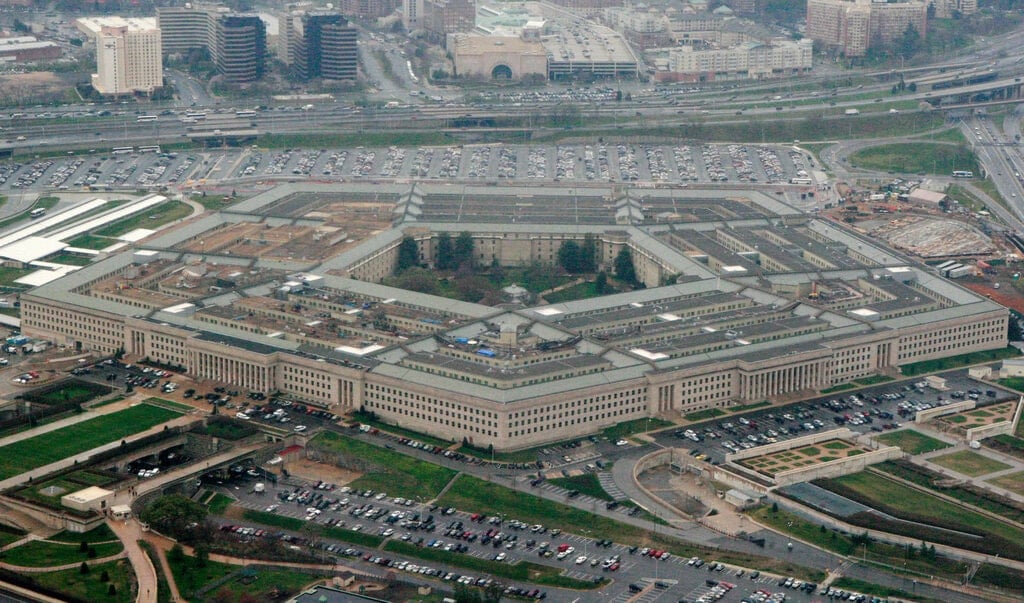
Media groups have started warning that limiting on-site presence reduces transparency at a time when the Pentagon oversees 23,000 employees and trillions in defense spending.
Also Read: Pentagon and Gulf Nations Announce Plans to Buy Ukrainian Interceptors to Counter Iranian Drones
The Times’ lawsuit focused on seven of its reporters whose badges were revoked. The judge ordered those reinstated immediately and said the ruling applies broadly.
Pentagon officials have a week to update the court on their compliance, though they’ve already signaled plans to appeal parts of the decision.
“The Department always complies with court orders but disagrees with the decision and is pursuing an appeal. In the interim, and in compliance with the court’s order, I have signed the revised “Pentagon Reservation In-Brief for Media Members,” effective immediately,” Sean Parnell said via X.
Hegseth’s team insists national security comes first, but press advocates have maintained that sunlight on the military is what keeps democracy strong.