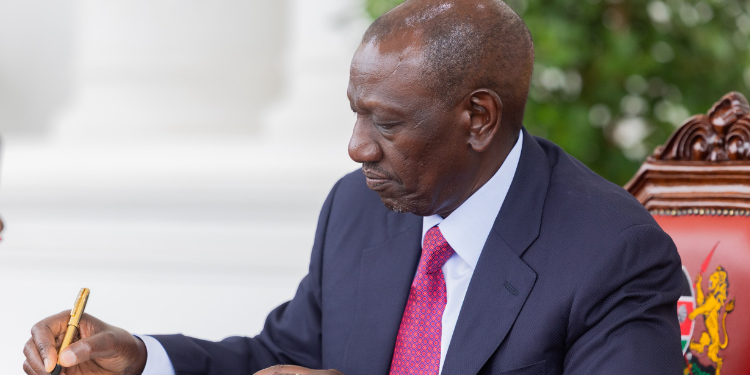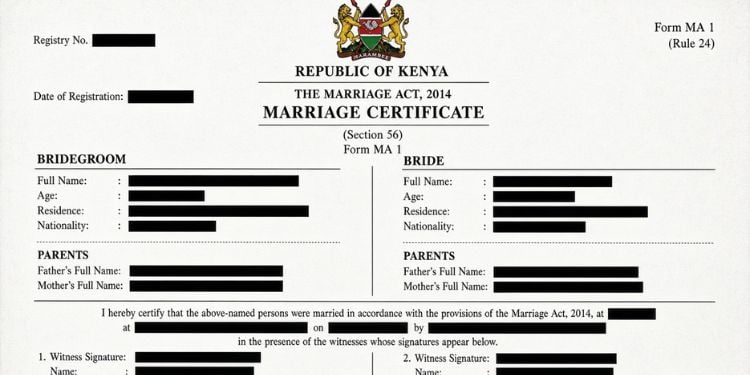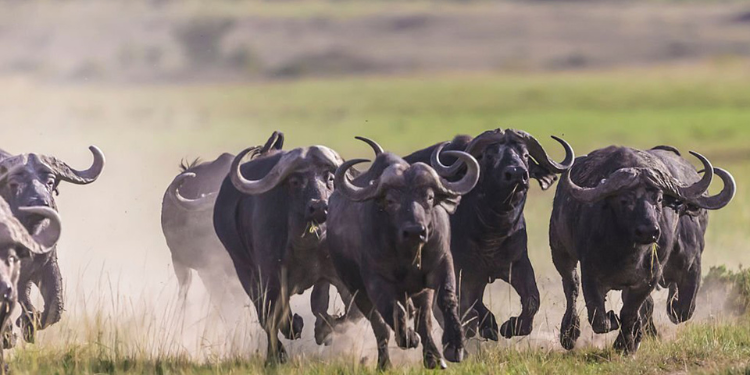
President William Ruto has proposed introducing buffalo farming and increasing camel milk production to boost milk supply and increase farmers’ income.
Speaking at the Agriculture and Food Security Summit at Jamhuri Park in Nairobi, Ruto said the government should explore importing improved camel breeds and introducing buffaloes for milk production.
He said he had asked Jonathan Mueke, the Principal Secretary for Livestock Development, to help source better camel breeds and consider bringing buffaloes into the country, noting that the animals were already used for milk production in India.
Ruto proposed starting buffalo farming on a small scale to assess whether Kenya could successfully milk buffaloes.
“We should also explore better breeds of camels and consider buffalo farming because buffaloes produce a lot of milk. We can start on a small scale and see how we can milk buffaloes,” Ruto said.
The proposal has raised questions about the requirements for importing live animals into Kenya, including the permits, veterinary documents, clearance procedures and costs involved.
Importing live animals requires compliance with veterinary and customs requirements before the animals can be released into the country. The applicable conditions depend on the species, country of origin and purpose of importation.
Also Read: Ruto Floats Buffalo Idea as Solution to Milk Shortage
InfoTradeKenya, the country’s trade information portal, provides guidelines for importing different types of animals into Kenya.
The Directorate of Veterinary Services (DVS), under the Ministry of Agriculture and Livestock Development, handles veterinary import requirements and issues the relevant permits for regulated animal imports
Licences and Permits Required to Import Animals into Kenya
The documents required to import animals depend on the species and the purpose of the import. Importers should confirm the applicable requirements before buying or shipping livestock, poultry or other animals.
- Veterinary Import Permit
InfoTradeKenya lists separate import procedures for categories such as breeding cattle, sheep and goats, pigs, poultry, dogs and cats. The supporting documents and conditions vary by category.
For example, the procedure for importing breeding cattle provides for a consignment-specific permit valid for 90 days. Do not assume this period applies to every animal species.
- Veterinary Health Certificate
Animals may be required to have a health certificate issued by the competent veterinary authority in the exporting country.
The certificate must meet Kenya’s applicable import conditions. Depending on the species and country of origin, authorities may also require disease testing, vaccination records, animal identification, or other veterinary documentation.
- Export Documents from the Country of Origin
Importers bringing live animals from India should confirm the export requirements with India’s veterinary and animal husbandry authorities. These include an export authorisation and an official veterinary health certificate confirming that the animals meet the applicable animal health requirements.
India’s Animal Quarantine and Certification Services requires exporters of live animals to provide the applicable export permit or licence, the importing country’s health requirements and veterinary documents. Animals may also need health checks, testing or vaccination before export, depending on the requirements for the species and destination.
Also Read: Govt Clarifies Milking Buffaloes to Counter Milk Shortage
- Business Registration and Other Approvals
People importing animals for commercial purposes should establish whether their business activity requires registration, a county business permit or other sector-specific approvals.
Steps Required to Import Animals into Kenya
- Confirm Whether the Animal Can Be Imported
The first step is to contact the Directorate of Veterinary Services to establish whether the proposed species can be imported from the country of origin and the importer should confirm the applicable disease-control measures, health certification requirements, any restrictions on the country of origin, and whether quarantine or additional testing is required.
- Apply for the Relevant Import Permit
Where the import is permitted, the importer should apply for the relevant veterinary import permit and submit the required supporting documents.
The requirements may include details of the animal species, number of animals, country of origin, supplier and intended destination.
Applicants should follow the specific procedure listed for their animal category rather than relying on requirements for a different species.
- Obtain Health Certification and Export Approval
The importer should work with the supplier and the exporting country’s veterinary authorities to obtain the health certificates and other documents Kenya requires.
Complete any required laboratory tests, vaccinations, identification procedures, or export approvals before dispatch.
- Arrange Transport
After the necessary approvals have been obtained, the importer can arrange transport suitable for the animals.
Before shipment, the importer should confirm the approved point of entry, documentation requirements, veterinary inspection arrangements and any quarantine conditions.
Transport arrangements should also account for the animals’ welfare throughout the journey.
- Complete Veterinary Inspection and Customs Clearance
On arrival in Kenya, the animals and accompanying documents are subject to the applicable veterinary checks and customs procedures.
Officials may verify the permits and health certificates, inspect the animals or require additional tests depending on the import conditions.
Where quarantine or other post-arrival measures are required, the importer must comply before the animals are released.
- Take Delivery of the Animals
The animals can be moved to their intended destination after the required veterinary and customs clearance procedures have been completed.
Importers should retain the permits, health certificates and other relevant records and comply with any post-import animal-health requirements imposed by the authorities.
How Much Does It Cost to Import Animals into Kenya?
The total cost depends on the animal species, number of animals, country of origin, purchase price, and transport arrangements.
Potential expenses include:
- Purchase price: The amount the supplier charges for the animals.
- Import permit and documentation: Any applicable veterinary permit and administrative fees.
- Veterinary certification: Costs associated with health examinations, laboratory tests, vaccinations, and export certification.
- Transport and handling: Freight, animal handling and arrangements needed to transport live animals safely.
- Customs charges and taxes: Any duties, levies or other charges applicable to the particular consignment.
- Inspection and quarantine: Costs arising from required veterinary inspections, testing or quarantine arrangements.
Follow our WhatsApp Channel and X Account for real-time news updates.