
Kenyans have been urged to remain calm and follow public health guidelines after the Ministry of Health confirmed the country’s first imported case of Ebola.
The patient, a Kenyan citizen who had traveled from the Democratic Republic of Congo (DRC), later died while receiving treatment in Nairobi.
Health officials have since launched contact tracing and surveillance measures to prevent further spread of the virus.
How Ebola Spreads
Ebola spreads through direct contact with the blood, saliva, sweat, urine, vomit and other bodily fluids of an infected person.
The virus can also spread through contact with contaminated clothing, bedding, medical equipment, and surfaces.
It does not spread through the air like flu or COVID-19.
Protective Measures
The first line of defense is regular handwashing with soap and clean water.
Where soap and water are unavailable, people should use alcohol-based hand sanitizers, especially after visiting public places or caring for sick individuals.
Kenyans should avoid direct contact with anyone showing symptoms of Ebola.
These include fever, chills, extreme fatigue, muscle pain, sore throat, difficulty swallowing, vomiting, diarrhea, and unexplained bleeding.
Anyone with such symptoms should seek immediate medical attention.
Members of the public should not touch blood, vomit, saliva, or any other bodily fluids from a sick person unless they have proper protective equipment.
The Ministry of Health warns that direct exposure to infected fluids remains the main route of transmission.
People are also advised not to handle the bodies of individuals suspected to have died from Ebola.
Also Read: How Ebola Is Treated and What Happens to Patients After Isolation
Only trained health officials should conduct safe burial procedures using approved protective measures.
Kenya’s Ebola Preparedness Measures
Kenya has spent months preparing for a possible Ebola outbreak following the spread of the disease in the Democratic Republic of Congo.
The Ministry of Health says several response mechanisms were activated long before the country’s first imported case was confirmed, enabling a rapid response that included patient isolation, contact tracing and heightened surveillance.
Furthermore, the government activated the National Ebola Incident Management System in May and later established a multi-agency taskforce to coordinate preparedness efforts across national and county governments.
The National Public Health Emergency Operations Center was also placed on high alert to support real-time monitoring and emergency response activities.
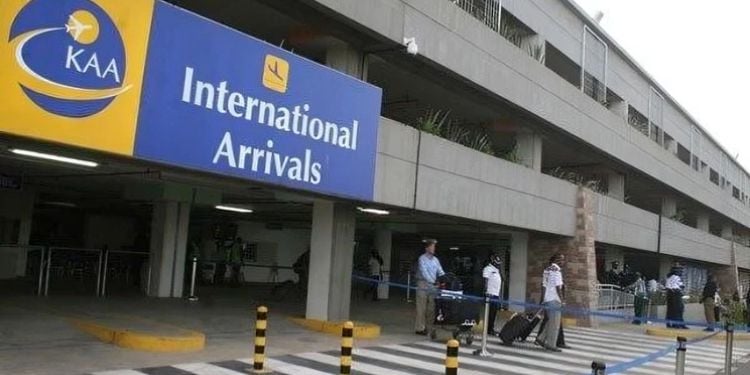
At airports, seaports and land border crossings, screening was intensified for travelers arriving from high-risk countries.
Measures include temperature checks, symptom assessment, health declaration forms and referral systems for suspected cases.
By October 6, the Ministry of Health said more than 652,000 travelers had been screened for Ebola.
Kenya has also strengthened its testing capacity through five laboratories, including the National Virology Reference Laboratory and facilities operated by KEMRI.
According to the ministry, 267 samples had been tested before the first positive case was confirmed.
Also Read: How Ebola Patient Evaded Detection While Travelling From DRC Through Kampala to Nairobi
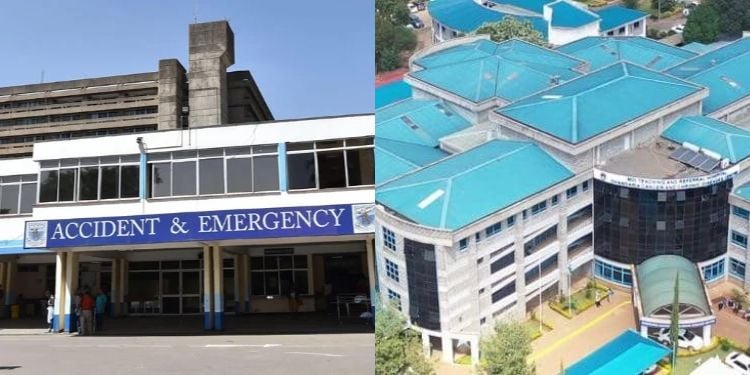
To enhance treatment readiness, the Ministry established 23 Ebola isolation and treatment centres across the country, including facilities in Nairobi, Eldoret, Mombasa, Busia, Garissa and Turkana.
Hospitals designated for Ebola response have specialized isolation units and trained staff to manage suspected and confirmed cases.
Health Cabinet Secretary Aden Duale said 4,971 healthcare workers have been trained on Ebola prevention, detection, infection control and case management.
Rapid Response Teams remain on standby for deployment to affected areas, especially counties considered vulnerable to cross-border transmission.
The Ministry has also strengthened infection prevention measures in health facilities through the provision of protective equipment and public awareness campaigns on Ebola symptoms, transmission and prevention.
According to CS Duale, these measures place Kenya in a stronger position to detect, isolate and contain any additional cases
Follow our WhatsApp Channel and X Account for real-time news updates.