Tuesday, October 6, 2026
  • News
    • Latest News
    • Breaking News
    • Fact Check
    • Investigations
    • Explainers
  • Politics
    • Global Politics
    • Elections
    • Government & Policy
    • Diplomacy
    • Conflicts & Security
    • Political Analysis
  • Business
    • Global Economy
    • Markets
    • Technology
    • Startups
    • Energy
    • Finance
  • World News
    • Americas
    • Asia
    • Asia Pacific
    • Africa
    • Europe
    • Middle East
  • Africa
    • Central Africa
    • East Africa
    • West Africa
    • Southern Africa
  • Health
    • Global Health
    • Public Health
    • Health Policy
    • Medical Research
    • Diseases & Conditions
    • Mental Health
    • Nutrition
    • Climate & Health
    • Health Explainers
  • Sports
    • World Cup 2026
    • Athletics
    • Basketball
    • Boxing
    • Cricket
    • Football
    • Formula 1
    • Golf
    • Rugby
  • Weather
    • Climate Business
    • Climate Change
    • Climate Solutions
    • Living Green
  • Culture
    • Arts
    • Film & TV
    • Food and Recipes
    • Music
    • Lifestyle
    • People
    • Travel
  • Opinion
    • Editorials
    • Letters
  • Behind The Brand
REGISTER
LOGIN
No Result
View All Result
The Kenya Times
  • News
    • Latest News
    • Breaking News
    • Fact Check
    • Investigations
    • Explainers
  • Politics
    • Global Politics
    • Elections
    • Government & Policy
    • Diplomacy
    • Conflicts & Security
    • Political Analysis
  • Business
    • Global Economy
    • Markets
    • Technology
    • Startups
    • Energy
    • Finance
  • World News
    • Americas
    • Asia
    • Asia Pacific
    • Africa
    • Europe
    • Middle East
  • Africa
    • Central Africa
    • East Africa
    • West Africa
    • Southern Africa
  • Health
    • Global Health
    • Public Health
    • Health Policy
    • Medical Research
    • Diseases & Conditions
    • Mental Health
    • Nutrition
    • Climate & Health
    • Health Explainers
  • Sports
    • World Cup 2026
    • Athletics
    • Basketball
    • Boxing
    • Cricket
    • Football
    • Formula 1
    • Golf
    • Rugby
  • Weather
    • Climate Business
    • Climate Change
    • Climate Solutions
    • Living Green
  • Culture
    • Arts
    • Film & TV
    • Food and Recipes
    • Music
    • Lifestyle
    • People
    • Travel
  • Opinion
    • Editorials
    • Letters
  • Behind The Brand
  • News
    • Latest News
    • Breaking News
    • Fact Check
    • Investigations
    • Explainers
  • Politics
    • Global Politics
    • Elections
    • Government & Policy
    • Diplomacy
    • Conflicts & Security
    • Political Analysis
  • Business
    • Global Economy
    • Markets
    • Technology
    • Startups
    • Energy
    • Finance
  • World News
    • Americas
    • Asia
    • Asia Pacific
    • Africa
    • Europe
    • Middle East
  • Africa
    • Central Africa
    • East Africa
    • West Africa
    • Southern Africa
  • Health
    • Global Health
    • Public Health
    • Health Policy
    • Medical Research
    • Diseases & Conditions
    • Mental Health
    • Nutrition
    • Climate & Health
    • Health Explainers
  • Sports
    • World Cup 2026
    • Athletics
    • Basketball
    • Boxing
    • Cricket
    • Football
    • Formula 1
    • Golf
    • Rugby
  • Weather
    • Climate Business
    • Climate Change
    • Climate Solutions
    • Living Green
  • Culture
    • Arts
    • Film & TV
    • Food and Recipes
    • Music
    • Lifestyle
    • People
    • Travel
  • Opinion
    • Editorials
    • Letters
  • Behind The Brand
No Result
View All Result
The Kenya Times ~ Trending, Breaking News and Videos
No Result
View All Result
ADVERTISEMENT

How Ebola Is Treated and What Happens to Patients After Isolation

Annah Nanjala WekesabyAnnah Nanjala Wekesa
October 6, 2026
Reading Time: 7 mins read
Ebola Treatment Explained: Medicines, Supportive Care And Chances Of Survival

Ugandans undergoing screening in Kampala. PHOTO/WHO

FacebookTwitterLinkedInRedditWhatsApp
Advertisement

Ebola patients can survive the disease when they receive early and intensive medical care, with treatment focusing on rehydration, managing symptoms, and preventing or treating complications.

Ebola disease is caused by viruses in the Orthoebolavirus genus, which belongs to the Filoviridae family.

According to the World Health Organization (WHO), three viruses are known to have caused large Ebola disease outbreaks: Ebola virus, Sudan virus and Bundibugyo virus.

The diseases they cause are known, respectively, as Ebola virus disease, Sudan virus disease, and Bundibugyo virus disease.

The first recognized Ebola disease outbreaks occurred in 1976 in what are now South Sudan and the Democratic Republic of Congo. The disease takes its name from the Ebola River near Yambuku in the DRC, where one of the first outbreaks was recorded.

Ebola Diseases and How They Are Treated

Ebola is considered a zoonotic disease, meaning it can move from animals to humans.

ADVERTISEMENT

WHO says fruit bats are thought to be natural hosts of the virus, although the exact animal reservoir has not been conclusively established.

According to the WHO, early intensive supportive care improves survival among people with Ebola disease.

Supportive treatment can include replacing fluids lost through vomiting and diarrhoea, managing pain and other symptoms, providing nutritional support and treating complications as they develop.

For patients with Ebola virus disease, specific medicines also target the virus.

WHO recommends two monoclonal antibody treatments for Ebola virus disease — mAb114, also known as ansuvimab, and REGN-EB3, sold as Inmazeb.

However, these medicines are not approved treatments for every type of Ebola disease.

ADVERTISEMENT

WHO says no specific therapeutics are currently approved for Sudan virus disease or Bundibugyo virus disease, although candidate treatments are under development.

Doctors treating a patient with one of these infections focus heavily on keeping the patient stable, correcting dehydration, managing complications and monitoring the body’s vital functions.

In its latest guidance, WHO recommends rapid recognition of dehydration and the use of oral or intravenous fluids where necessary.

It also recommends prompt treatment of shock and appropriate treatment for bacterial infections, including sepsis.

Why Early Treatment Matters

Ebola can become severe quickly, making early medical attention important.

WHO says early care can improve survival and help break the chain of transmission within families and communities. Patients who test positive require care at a designated treatment centre rather than being managed at home.

The disease can initially resemble other illnesses, including malaria, typhoid fever, meningitis and other viral haemorrhagic fevers. Laboratory testing is therefore important in confirming an infection.

The incubation period can range from two to 21 days. Symptoms may begin with fever, fatigue, muscle pain, headache and sore throat before progressing to vomiting, diarrhoea, abdominal pain and other complications.


Also Read: How Ebola Patient Evaded Detection While Travelling From DRC Through Kampala to Nairobi


What Happens after an Ebola Patient is Admitted?

Once a patient suspected of having Ebola reaches a health facility, infection prevention becomes a major part of the response.

Patients are placed in designated isolation areas to reduce the risk of transmission to other patients, relatives and health workers.

Medical teams use protective equipment and follow strict infection-prevention procedures when dealing with the patient’s blood and other body fluids.

WHO says health workers caring for suspected or confirmed Ebola patients should take additional precautions to prevent contact with blood, body fluids and contaminated materials such as clothing and bedding.

The patient can then receive intensive monitoring and treatment while laboratory teams work to confirm the infection and doctors manage symptoms and complications.

Survival Chances and Recovery

Although Ebola remains a severe and potentially fatal disease, survival is possible, particularly when patients receive appropriate care early.

WHO estimates that the average case fatality rate for Ebola disease is around 50%, although rates recorded during previous outbreaks have ranged from 25% to 90%.

The outcome can therefore vary considerably between outbreaks and patients.

WHO’s recent guidance stresses that high-quality supportive care is central to improving outcomes, particularly for Ebola diseases for which no specific approved treatment currently exists.

Recovery from Ebola does not necessarily mean the end of medical follow-up.

WHO says some survivors can experience physical and psychological effects after the illness. The virus can also persist in certain immune-privileged parts of the body in some survivors, although relapse without reinfection is rare.

WHO recommends survivor-care programmes that can include medical follow-up, counselling, support for reintegration into the community and appropriate biological testing.


Also Read: 23 Hospitals Ready to Isolate Patients as Kenya Confirms First Ebola Case


How Does Ebola Spread?

Ebola does not spread simply because people are in the same room or because an infected person has travelled on a plane.

The main risk comes from direct contact with the blood or other body fluids of an infected person, particularly once that person has developed symptoms.

A person can become infected when infected fluids enter the body through broken skin or mucous membranes such as the eyes, nose or mouth.

Body fluids that can transmit the virus include blood, vomit, faeces, sweat and saliva.

Ebola can also spread through contact with objects and surfaces contaminated with the body fluids of an infected person, including clothing, bedding and other materials.

This is one reason health workers caring for Ebola patients have historically been among those at greatest risk when infection-prevention measures are not followed.

The disease can also spread through contact with the body of someone who has died from Ebola. 

Follow our WhatsApp Channel and X Account for real-time news updates. 

Ebola Treatment Explained: Medicines, Supportive Care And Chances Of Survival
Health officials attending to citizens after the Ministry of Health of the Republic of Guinea announced an outbreak of Ebola virus disease on 14 February 2021. PHOTO/WHO
Tags: Ebola
Annah Nanjala Wekesa

Annah Nanjala Wekesa

Annah Nanjala Wekesa is a journalist at The Kenya Times, with a passion for crafting news-worthy stories that leave a lasting impact. She holds a Bachelor of Arts in Communication and Media from Kisii University. She has honed her skills in the art of storytelling and journalism. Her passion lies in the art of storytelling that resonates with audiences, driving a commitment to delivering news-worthy stories through the lens of integrity and precision. She can be reached at [email protected]

Related Posts

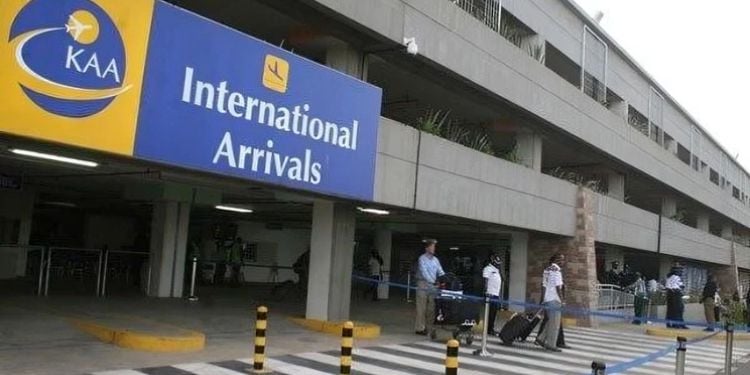
Kenya’s First Ebola Case: How Patient Travelled From Drc To Nairobi, Passed Jkia Screening Before Hospital Admission

How Ebola Patient Evaded Detection While Travelling From DRC Through Kampala to Nairobi

October 6, 2026
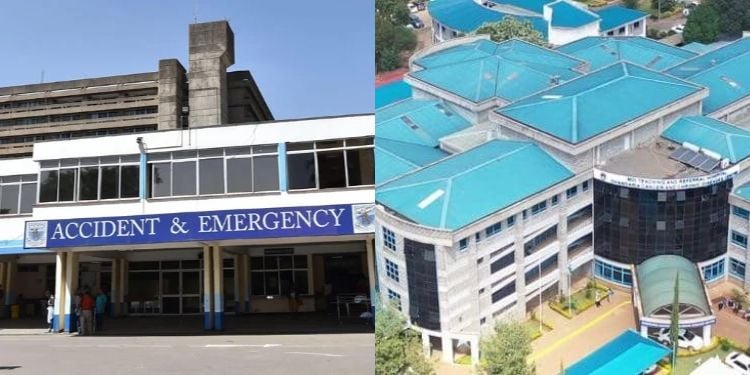
23 Ebola Isolation Centers In Kenya As First Case Confirmed

23 Hospitals Ready to Isolate Patients as Kenya Confirms First Ebola Case

October 6, 2026
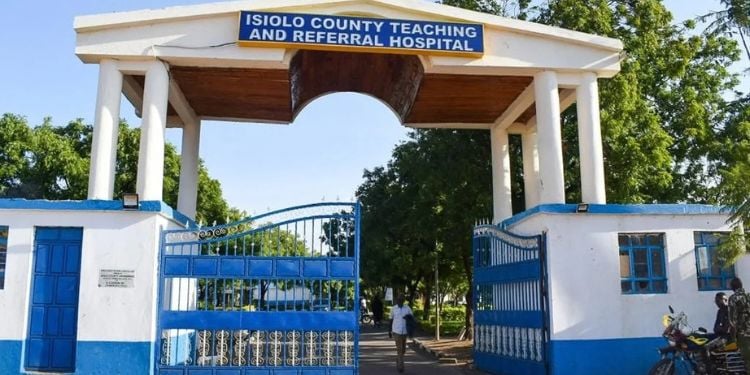
Isiolo County Has Facilities Across Isiolo, Garbatula, And Merti Sub-Counties That The Social Health Authority (Sha) Contracts To Provide Services.

SHA-Contracted Health Facilities Across Isiolo County [LIST]

October 5, 2026
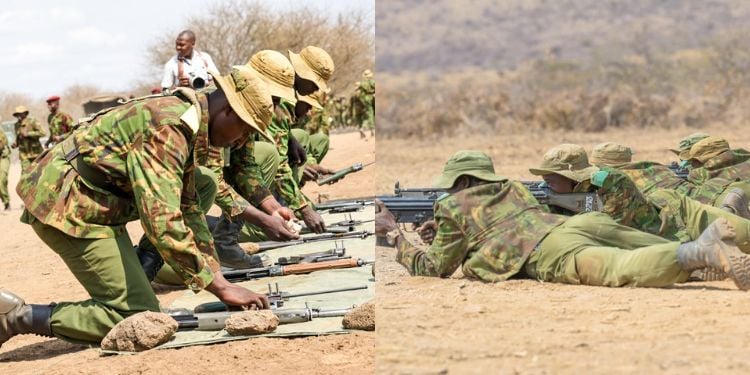
Nps Magadi Field Campus In Kajiado County Is Used For Officers' Field And Practical Training, With The Area’s Terrain To Prepare For Operational Duties.

Why Kenyan Police Officers Train in Magadi’s Harsh Terrain

October 5, 2026

Leave a Reply Cancel reply

Your email address will not be published. Required fields are marked *

ADVERTISEMENT

The Kenya Times Facebook

LATEST NEWS

  • How Ebola Is Treated and What Happens to Patients After Isolation
  • Jambojet Alerts Passengers Over Possible Ebola Exposure on JM 8523 Entebbe-Nairobi Flight
  • How Ebola Patient Evaded Detection While Travelling From DRC Through Kampala to Nairobi
  • CBK Invites Investors to Bid for KSh50 Billion Treasury Bonds
  • 23 Hospitals Ready to Isolate Patients as Kenya Confirms First Ebola Case
  • Former CEO Defends NHIF Record, Questions SHA Rollout
  • Understanding Visa Processing: VFS Global Clarifies Role, Reinforces Transparency
  • Traffic Snarl-Up Hits Thika Road After Total Blockade of Highway
  • Kenya Confirms First Ebola Case
  • Kingdom Bank Announces 44-Hour Service Shutdown
  • NTSA Announces Date for Possible Return of Instant Traffic Fines
  • Govt Releases Approved Grade 11 Textbooks Ahead Of 2027 Rollout
  • Boyfriend Arrested in Beheading of Molo Form Four Student, Her Name on His T-Shirt
  • Kenyans Warned of Storms and Flash Floods as Short Rains Begin
  • CMA Names Firms Helping Kenyans Invest In Dangote Refinery IPO
ADVERTISEMENT

Company

About Us

Our Authors

Our Experts

Social Media

Policies

Privacy Policy

House Rules

Standards and Policies

Terms and Conditions

Subscription

My Account

Contact Us

Contact Us

Join Our Team

Advertise With Us

© Copyright 2026 | The Kenya Times | All Rights Reserved

Welcome Back!

Sign In with Facebook
Sign In with Google
Sign In with Linked In
OR

Login to your account below

Forgotten Password? Sign Up

Create New Account!

Sign Up with Facebook
Sign Up with Google
Sign Up with Linked In
OR

Fill the forms below to register

All fields are required. Log In

Retrieve your password

Please enter your username or email address to reset your password.

Log In
Your Privacy and Cookies
We use cookies on our website to give you the most relevant experience by remembering your preferences and repeat visits. By clicking “Accept”, you consent to the use of ALL the cookies.
Do not sell my personal information.
Cookie settingsACCEPT
Privacy & Cookies Policy

Privacy Overview

This website uses cookies to improve your experience while you navigate through the website. Out of these cookies, the cookies that are categorized as necessary are stored on your browser as they are essential for the working of basic functionalities of the website. We also use third-party cookies that help us analyze and understand how you use this website. These cookies will be stored in your browser only with your consent. You also have the option to opt-out of these cookies. But opting out of some of these cookies may have an effect on your browsing experience.
Necessary
Always Enabled
Necessary cookies are absolutely essential for the website to function properly. This category only includes cookies that ensures basic functionalities and security features of the website. These cookies do not store any personal information.
Functional
Functional cookies help to perform certain functionalities like sharing the content of the website on social media platforms, collect feedbacks, and other third-party features.
Performance
Performance cookies are used to understand and analyze the key performance indexes of the website which helps in delivering a better user experience for the visitors.
Analytics
Analytical cookies are used to understand how visitors interact with the website. These cookies help provide information on metrics the number of visitors, bounce rate, traffic source, etc.
Advertisement
Advertisement cookies are used to provide visitors with relevant ads and marketing campaigns. These cookies track visitors across websites and collect information to provide customized ads.
Others
Other uncategorized cookies are those that are being analyzed and have not been classified into a category as yet.
SAVE & ACCEPT
LOGIN | REGISTER
  • Login
  • Sign Up
  • Cart
No Result
View All Result
  • News
    • Latest News
    • Breaking News
    • Investigations
    • Explainers
    • Fact Check
  • Politics
    • Global Politics
    • Conflicts & Security
    • Elections
    • Diplomacy
    • Government & Policy
    • Political Analysis
  • Business
    • Global Economy
    • Markets
    • Technology
    • Startups
    • Energy
    • Finance
  • World News
    • Americas
    • Asia
    • Asia Pacific
    • Africa
    • Europe
    • Middle East
  • Africa
    • East Africa
    • West Africa
    • Southern Africa
    • Central Africa
  • Health
    • Global Health
    • Public Health
    • Health Policy
    • Medical Research
    • Diseases & Conditions
    • Mental Health
    • Nutrition
    • Climate & Health
    • Health Explainers
  • Sports
    • World Cup 2026
    • Athletics
    • Basketball
    • Boxing
    • Cricket
    • Football
    • Formula 1
    • Golf
    • Rugby
  • Weather
    • Climate Business
    • Climate Change
    • Climate Solutions
    • Living Green
  • Culture
    • Arts
    • Film & TV
    • Food and Recipes
    • Lifestyle
    • Music
    • People
    • Travel
  • Opinion
    • Editorials
    • Letters
  • Behind The Brand
  • Contact Us

Not enough quota to unlock this post
Unlock left : 0
Are you sure want to cancel subscription?