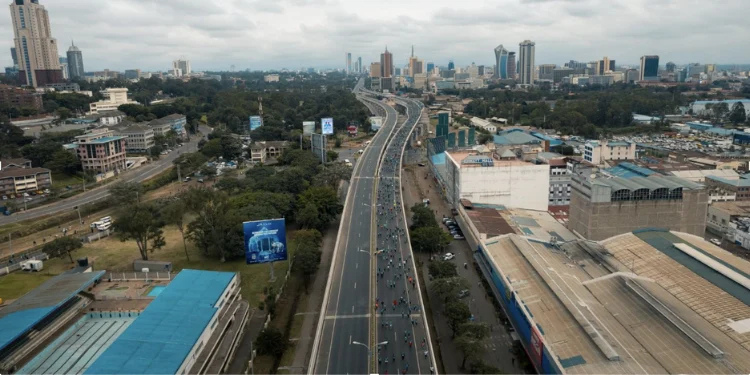
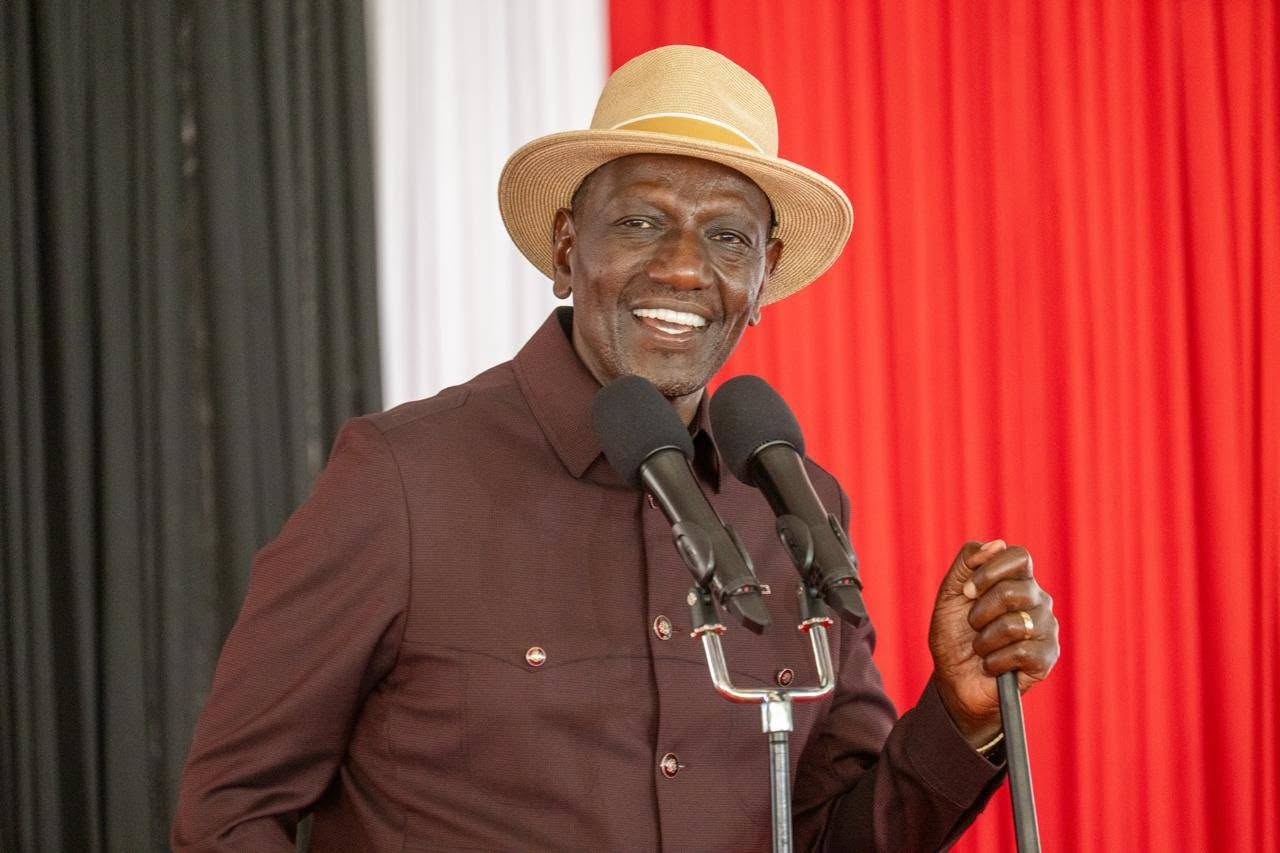
President William Ruto has outlined an ambitious road infrastructure programme targeting 28,000 kilometres of tarmacked roads and the dualling of 2,500 kilometres of highways over the next decade.
In his State of the Nation Address, on Wednesday, November 18, Ruto said approximately 7,000 kilometres of roads were under construction, including projects that had stalled for several years.
The President identified several major highways and regional roads the government is prioritising, focusing on improving transport networks, connecting economic centres, and reducing the cost of moving goods across the country.
“Our first priority is transport infrastructure. Approximately 7,000 kilometres of roads are under construction, including projects that had stalled for years. Over the next decade, our ambition is to tarmac 28,000 kilometres of roads and dual 2,500 kilometres highway,” Ruto said.
Among the key projects is the proposed dualling of the Nairobi–Mombasa Highway, with Ruto saying arrangements for the project were at an advanced stage.
Ruto Lists Major Roads and Highways Set for Construction and Dualling
The government is also prioritising the Rironi–Naivasha–Nakuru–Mau Summit Highway and the Kamandura–Maai Mahiu–Naivasha road.
Other strategic corridors include the Mau Summit–Kericho–Kisii–Awendo–Kisumu road, Kisumu–Busia road and the Mau Summit–Eldoret–Malaba highway.
Ruto also listed several roads earmarked for dualling, including Bomas–Ongata Rongai–Ngong–Karen, Kitengela–Isinya, Pangani–Muthaiga–Ndumberi and Makutano–Embu–Chuka–Maua.
The programme further covers the Marua–Nanyuki–Isiolo, Malindi–Mtwapa and Likoni–Ukunda–Msambweni–Lunga Lunga roads. Construction of the Nithi Bridge is also ongoing.
In Northern Kenya, the government is constructing the more than 750-kilometre Isiolo–Wajir–Mandera corridor, which passes through Modogashe, Wajir, El Wak and Rhamu.
The President said the project would open up the region to wider trade and investment by improving connectivity with other parts of the country.
“We are constructing the more than 750-kilometre Isiolo–Wajir–Mandera corridor through Modogashe, Wajir, El Wak and Rhamu, opening Northern Kenya to wider trade and investment,” he said.
The government is also working towards completing the 700-kilometre Mau Mau roads programme and the Kenol–Marua dual carriageway.
Another major project is the Lake Victoria Ring Road, which is expected to connect communities and economic centres across Busia, Siaya, Kisumu, Homa Bay and Migori counties.
Also Read: Ruto’s Radical KCSE Printing Order Saves Kenya Ksh1.5 Billion
KSh340 billion National Infrastructure Fund
Ruto linked the infrastructure expansion programme to new financing arrangements, including the National Infrastructure Fund (NIF), which he said had been capitalised with KSh340 billion.
The President said Parliament had passed the legislation establishing the fund, which he signed into law on March 9, 2026.
According to Ruto, the fund was built from proceeds of the divestiture of mature public assets and would provide a framework for attracting investment from pension funds, institutional investors, development finance institutions and other partners.
“The purpose is to convert existing national assets and available investment capital into the next generation of productive infrastructure,” Ruto said.
The money is intended to support investment in roads, airports, railways, energy, water, irrigation and other strategic infrastructure projects.
He also outlined plans for a Sovereign Wealth Fund to provide a framework for saving, investing and preserving national wealth for future generations.
Ruto said the funds would operate under transparent governance, rigorous project appraisal and clear accountability, with investments assessed on the economic and social value they generate.
Also Read: Ruto Announces KSh34 Billion Payments to Universities and Hospitals
SGR extension and JKIA expansion
Beyond roads, the government is advancing plans to extend the Standard Gauge Railway (SGR) from Naivasha through Narok and Bomet to Kisumu, and onwards to Bugoma and Malaba.
The Head of State also pointed to the modernisation of the ports of Mombasa and Lamu as part of efforts to strengthen the country’s transport and logistics network.
At Jomo Kenyatta International Airport (JKIA), Ruto said the ongoing KSh154.2 billion development and modernisation programme would expand passenger and operational capacity.
He said the investment would strengthen Kenya’s position as a regional aviation hub while supporting tourism, horticulture, logistics and international business.
Explaining the economic significance of the infrastructure programme, Ruto said the projects would improve access to essential services and markets.
“Better roads reduce the cost of moving agricultural produce, transporting manufactured goods and accessing markets. They connect workers to employment, patients to hospitals and learners to educational institutions,” he said.
Ruto said the various infrastructure projects were intended to function as an integrated transport network, making it easier to move people and goods while positioning Kenya as a destination for production, trade and investment.
Follow our WhatsApp Channel and X Account for real-time news updates and subscribe to our YouTube Channel for in-depth interviews