
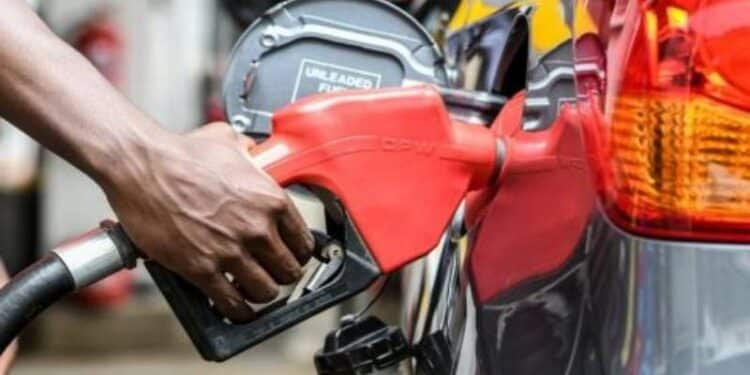
Kenyans are paying more to import Diesel despite falling international prices, leaving motorists without the relief they would normally expect when global fuel markets drop.
The government has turned to a KSh 4.6 billion intervention to prevent the rising import costs from triggering another increase at the pump, keeping diesel prices in Nairobi at KSh 227.76 per litre until December 14, 2026.
The latest figures reveal a contrast in Kenya’s fuel market. An analysis by the EBC Financial Group shows that while international diesel prices dropped by 6.1% in October, the cost of importing the commodity into the country increased by 6.7%, putting pressure on local pump prices.
Why Diesel Prices Remain High in Kenya Despite a 6.1% Drop in Global Prices
Without government support, EBC says diesel would have increased by KSh 10.54 per litre in the latest review.
The development means Kenyan motorists still haven’t benefited from cheaper international diesel, even as the government spends billions of shillings to shield consumers from higher import costs.
Diesel is a major driver in Kenya’s transport and distribution networks, powering trucks that deliver food and other goods, as well as matatus and other commercial vehicles.
EBC Financial Group Explains Why Diesel Is Becoming More Expensive to Import
According to EBC, the difference between international prices and Kenya’s import costs largely depends on the timing of when fuel is purchased and delivered.
According to figures from the Energy and Petroleum Regulatory Authority (EPRA), the landed cost of diesel increased to USD 1,137.09 per cubic metre in October, up from USD 1,065.38 in September.
The landed cost represents the amount paid to bring imported fuel into the country, including the relevant import-related expenses.
Kenya’s fuel pricing formula takes into account petroleum cargoes discharged at the Port of Mombasa during the period leading up to the ninth day of each month.
Consequently, fuel arriving in October may have been purchased when international prices were higher. This creates a delay between changes in the global market and the cost reflected in Kenya’s monthly fuel review.
Shipping and insurance expenses may also contribute to the difference, although the available figures do not establish the exact contribution of each factor.
The exchange rate played a relatively small role in the October increase. The shilling weakened from KSh 129.91 against the US dollar in September to KSh 130.17, representing a depreciation of approximately 0.2%.
David Precious, Senior Market Analyst at EBC Financial Group, said the price of diesel in Kenya depends on the cost of the actual cargoes delivered rather than movements in international markets alone.
“A fall in the world price does not mean Kenya’s diesel costs fall at the same time. Kenya pays for the diesel that actually arrives, and that diesel was bought earlier,” Precious said.
He added that cargo timing, shipping and insurance could widen the gap between international prices and what Kenya pays for imported fuel.
Also Read: EPRA to Introduce New Clearance for Petrol, Diesel, and Cooking Gas Traders
How Government Prevented Another Diesel Price Increase
The government has relied on the Petroleum Development Levy Fund to cushion consumers against the increase in diesel import costs.
The fund collects about KSh 5.40 from every litre of petrol and diesel sold in the country and reportedly generates about KSh 2.4 billion monthly.
For the latest pricing cycle, however, KSh 4.6 billion was deployed to stabilise fuel prices.
The intervention absorbed a potential KSh 10.54 per litre increase in diesel prices, allowing EPRA to keep the Nairobi pump price at KSh 227.76.
Treasury Cabinet Secretary John Mbadi said on November 3 that the government had withheld the fund’s allocation in October because of anticipated higher energy demand as Europe entered its winter season.
The latest allocation has helped prevent an immediate increase in the cost of diesel, but the amount involved has also raised questions about the sustainability of the intervention.
The KSh 4.6 billion expenditure is almost twice the fund’s reported monthly collections of KSh 2.4 billion.
Precious warned that maintaining pump prices through such interventions could become difficult if import costs remain elevated.
“Holding the pump price steady has a cost of its own: KES 4.6 billion this month, against the roughly KES 2.4 billion a month that the fund is reported to collect,” he said.
He cautioned that if government support is reduced while import costs remain high, consumers could face a larger increase at the pump instead of smaller adjustments over time.
Fuel Costs Continue to Weigh on Kenyan Households
Although the latest intervention has prevented another diesel price increase, Kenyans are still dealing with the effects of previous fuel price adjustments.
Data from the Kenya National Bureau of Statistics (KNBS) shows that annual inflation increased to 7.3% in October 2026 from 6.8% in September.
Over the same 12-month period, diesel prices rose by 32.5%, transport costs by 17.1%, and food prices by 10.2%.
The figures point to the wider impact of fuel costs on household budgets, particularly through public transport and the distribution of essential goods.
In May 2026, diesel prices increased by KSh 46.29 per litre in a single review, pushing the price in Nairobi to KSh 242.92.
The adjustment prompted matatu operators to announce a 50% fare increase, showing how fuel price changes can quickly affect commuters.
Although the current diesel price is below the May peak, it remains a significant expense for transport operators and businesses that rely on the commodity.
Also Read: 1,350 Cars, Fuel and Other Goods to Arrive in Kenya as 47 Ships Head to Mombasa, Lamu Ports
CBK Interest Rate Decision Comes Before Next Fuel Review
The rising cost of diesel imports also comes at a critical time for the Central Bank of Kenya (CBK), which is scheduled to make its next monetary policy decision on December 9, 2026.
Inflation stood at 7.3% in October, bringing it close to the CBK’s upper target limit of 7.5%.
At its October 7 meeting, the Monetary Policy Committee noted that fuel subsidies and reduced VAT on petroleum products were helping to ease inflationary pressures.
The government has maintained VAT on fuel at 8%, instead of the standard 16%, following the Tax Laws (Amendment) Act, 2026.
The legislation, signed on October 16, extended the reduced rate for 90 days from October 14, with a provision for a further 90-day extension.
Follow our WhatsApp Channel and X Account for real-time news updates and subscribe to our YouTube Channel for in-depth interviews.