The Supreme Court ruled that the Fourteenth Amendment guarantees U.S. citizenship to children born on American soil, including those whose parents are in the country unlawfully or on temporary visas.
Chief Justice John Roberts wrote the majority opinion, joined by Justices Amy Coney Barrett and the Court’s three liberal justices. The 6-3 decision rejects President Donald Trump’s executive order seeking to restrict automatic citizenship at birth.
“Children born in the United States to parents unlawfully or temporarily present are ‘subject to the jurisdiction’ of the US and are citizens at birth under the Fourteenth Amendment’s Citizenship Clause,” Roberts wrote in the opinion.
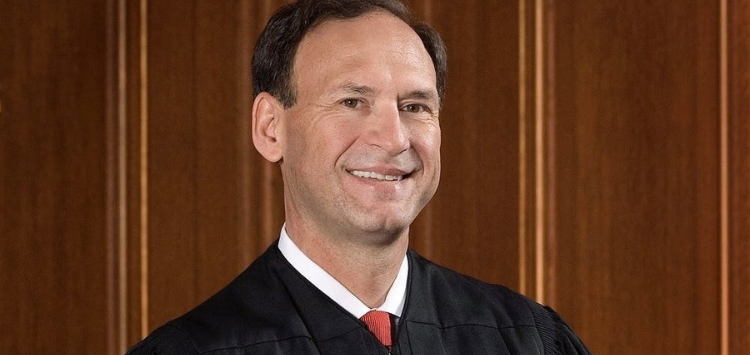
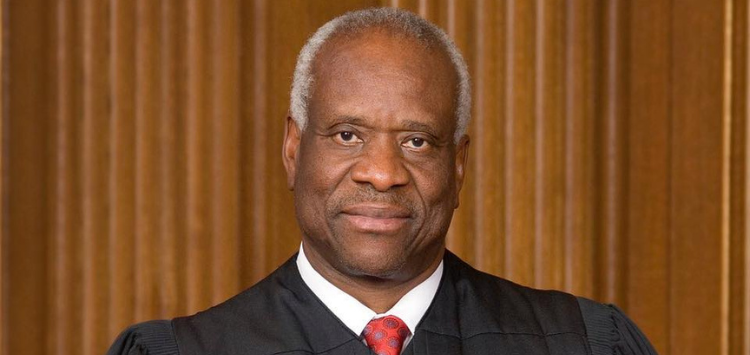
Conservative Justices Clarence Thomas, Samuel Alito, and Neil Gorsuch dissented in full, while Justice Brett Kavanaugh issued a partial dissent. The ruling came in Trump v. Barbara.
Fourteenth Amendment Interpretation
The case centered on the Citizenship Clause of the Fourteenth Amendment, which was added to the Constitution in 1868 following the Civil War. The clause states that all persons “born or naturalized in the United States, and subject to the jurisdiction thereof,” are citizens of the United States and of the state where they reside.
The majority concluded that the phrase “subject to the jurisdiction” applies to individuals required to obey U.S. laws, excluding only limited categories such as foreign diplomats and invading military forces.
Also Read: Anna Paulina Luna Reveals Surprise Strategy to Save Trump’s SAVE Act
The Court relied heavily on the landmark 1898 decision in United States v. Wong Kim Ark. In that case, the Supreme Court ruled that a child born in San Francisco to Chinese parent, who were barred from naturalization under federal law at the time, was nevertheless a U.S. citizen by birth.
Roberts wrote that the amendment’s text, historical context, and longstanding interpretation support citizenship based on birthplace rather than the immigration status of a child’s parents.
The ruling preserves more than 125 years of established federal practice, under which hospitals and government agencies have routinely recognized citizenship for children born to undocumented immigrants and temporary visa holders.
Challenge to Trump’s Executive Order
President Trump signed Executive Order 14160 on January 20, 2025, his first day back in office. The order directed federal agencies to deny citizenship to newborns unless at least one parent was a U.S. citizen or lawful permanent resident.
The administration argued that the original meaning of the Fourteenth Amendment did not extend citizenship to children born to parents who were in the country unlawfully or temporarily.
Also Read: GOP Lawmaker Floats Plan to Kill Birthright Citizenship if Supreme Court Says No
Officials also cited concerns about illegal immigration, birth tourism, and the strain on public resources.
Multiple federal district courts blocked the order soon after it was issued, finding that it conflicted with established constitutional precedent.
The Supreme Court heard oral arguments on April 1, 2026. During the hearing, several justices questioned the administration’s proposed interpretation, particularly its reliance on parental “domicile,” noting that the concept does not appear in the text of the Fourteenth Amendment.
The Court ultimately declared the executive order unconstitutional and directed federal agencies to continue processing citizenship claims under the longstanding interpretation of the Citizenship Clause.
While the ruling prevents the executive branch from restricting birthright citizenship through executive action, it does not prevent Congress from attempting to pass legislation addressing the issue. However, such efforts would likely face constitutional challenges and require significant political support.