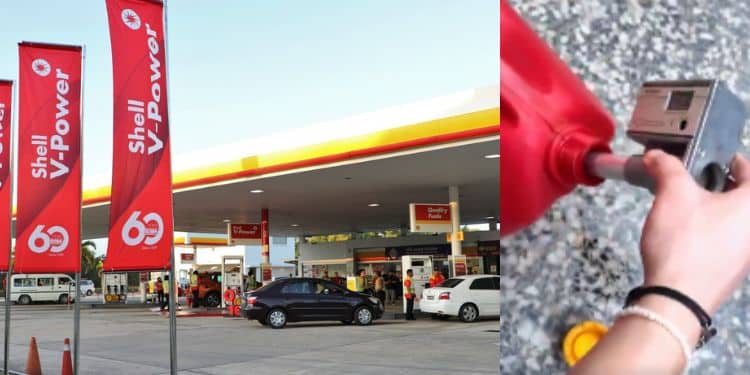
Germany has teased a plan to roll out a new rule to curb wild swings in fuel prices at the pump. According to the plan, gas stations will be limited to just one price hike per day amid sky-high oil costs resulting from the current conflict involving Iran.
With gasoline and diesel prices climbing well above €2 per liter across much of the country, the German government has announced plans to restrict how often filling stations can raise their pump prices.
Under the proposed regulation, stations will be allowed only one upward adjustment per day—typically set around noon—while price drops can still occur at any time.
On Tuesday, March 17, the country’s chancellor, Friedrich Merz, took to social media to note that the plan aims to provide consumers with the urgently needed relief.
“The increased gasoline prices due to the crisis surrounding Iran are causing concern for many people. For this reason, the federal government has decided that gas stations may only raise fuel prices once per day. In this way, we are assisting consumers,” Friedrich Merz said via a post on his X handle.
Also Read: Gas Price Increase is a Small Price to Pay to Get Rid of Terrorists: US Secretary Burgum
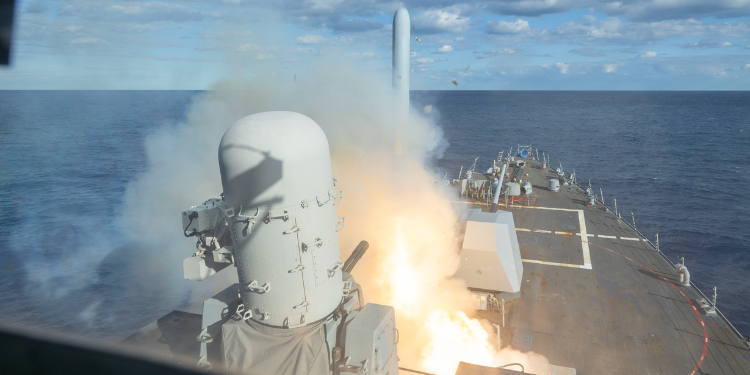
The move, first floated in early March and now advancing through legislative channels, comes as a direct response to the sharp oil price surge triggered by military actions involving the United States, Israel, and Iran.
Brent crude has hovered between $95 and $102 per barrel in recent days, with some analysts warning of even steeper climbs if supply disruptions persist through key routes such as the Strait of Hormuz.
The conflict, now in its third week as of today, March 17, has rattled global energy markets and hit European consumers particularly hard.
According to reports, some stations in Germany were adjusting fuel prices as many as 50 times in a single day, creating confusion and a mistaken impression of constant gouging, even when overall costs are volatile rather than manipulated.
The government insists the change isn’t a full price cap but rather a way to tame extreme intraday volatility.
“We’re doing everything we can to ease the load without distorting the market,” a spokesman for Chancellor Friedrich Merz’s administration said recently.
Merz himself has voiced concern over the wider economic effects, noting that sustained high energy prices threaten growth in Europe’s largest economy.
Public reaction in Germany
Commuters and haulage firms have welcomed this relief, but consumer groups and opposition politicians call it a half-measure.
Taxes already make up roughly half of the final price at the pump in Germany, so critics claim that real savings would require cuts to the mineral oil tax or VAT rather than tweaking the timing of adjustments.
Some worry stations could simply set higher baseline prices, knowing they can only raise prices once, though transparency rules and online price-comparison apps could keep that in check.
The regulation is expected to take effect in the first week of April after cabinet approval and parliamentary review.
Also Read: Germany Refuses Trump’s Call to Secure Strait of Hormuz
It’s a section of a wider package that includes tighter cartel office scrutiny of oil companies and potential reviews of windfall taxes on energy profits—ideas that remain under discussion but face legal obstacles.
For now, drivers face no quick fix. Diesel has pushed past €2 in many regions, and gasoline isn’t far behind.
With the situation in the Middle East showing no immediate signs of de-escalation, it is expected that elevated prices will continue through at least the spring.
The daily-limit rule may smooth out some of the roller-coaster feel at the pump, but whether it actually lowers what motorists pay each month remains an open question.
The government hopes the measure buys time while international diplomacy works to stabilize energy flows, and while households and businesses brace for what could be a costly few months ahead.