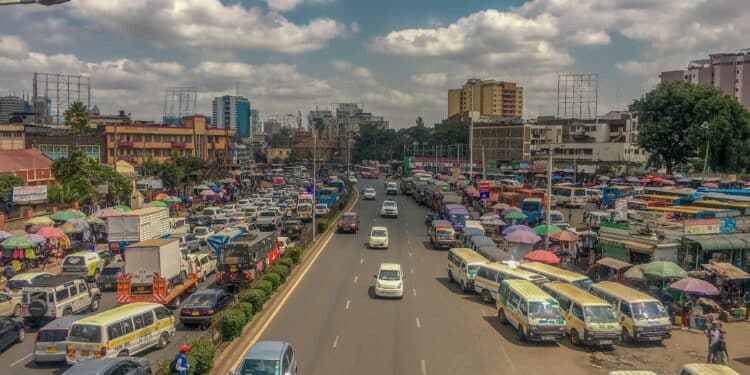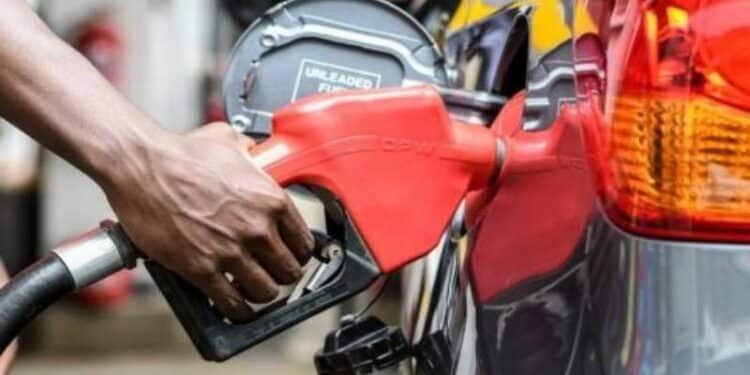

Long queues formed at petrol stations across Kenya, including the capital, Nairobi, and its metropolitan areas, on Thursday night as motorists scrambled to fuel their vehicles ahead of new fuel prices announced earlier by the Energy and Petroleum Regulatory Authority (EPRA), which take effect at midnight.
Videos seen by The Kenya Times showed motorists lining up at operating stations along major roads in the capital, including Lang’ata Road, Waiyaki Way, Kiambu Road, and sections of Mombasa Road.
Several other stations stopped selling fuel altogether as they awaited the revised prices announced earlier by EPRA. At a Rubis petrol station along Lang’ata Road, motorists queued in long lines stretching onto nearby roads as attendants struggled to manage the growing crowds.
Similar scenes were witnessed along Kiambu Road, where some stations reportedly ran out of stock while others temporarily shut operations before the midnight adjustment.
In Kitengela, several fuel stations were reported closed Thursday evening as operators prepared to implement the new pump prices. Traffic snarl-ups were also reported along Jogoo Road, where motorists queued at the Total petrol station outlet ahead of the midnight price adjustment.
The long queues have also been witnessed in other parts of the country, including Kisumu, Eldoret, and sections of the Naivasha-Nakuru Highway, where motorists rushed to beat the new prices before they took effect.
The rush followed EPRA’s announcement that Super Petrol and Diesel prices would rise sharply for the May–June 2026 pricing cycle.
In a statement issued Thursday, the regulator said Super Petrol would increase by KSh16.65 per liter while Diesel would rise by KSh46.29 per liter. Kerosene prices remained unchanged.
EPRA announces new fuel prices
Under the new prices, effective from midnight May 15 to June 14, motorists in Nairobi will pay KSh214.25 per liter for Super Petrol, KSh242.92 per liter for Diesel, and KSh152.78 per liter for Kerosene.
In Mombasa, Super Petrol will retail at KSh211.09 while Diesel will cost KSh239.64. In Kisumu, the products will retail at KSh213.91 and KSh243.14, respectively.
Also Read: EPRA Announces Fuel Prices for May and June Cycle
EPRA said the reviewed prices were calculated under Section 101(y) of the Petroleum Act 2019 and Legal Notice No.192 of 2022.
“The Government will in this cycle cushion consumers through the Petroleum Development Levy Fund by utilizing approximately KSh5 billion to subsidize the prices of Diesel and Kerosene,” the regulator stated.
According to EPRA, the increase was partly driven by rising global fuel import costs. The average landed cost of imported Super Petrol increased by 10 percent from US$823.27 per cubic meter in March 2026 to US$906.23 in April.
Diesel recorded an even steeper increase of 20.32 percent during the same period, while Kerosene rose by 1.59 percent. The fuel price adjustments come amid reports of fuel supply challenges affecting several marketers across the country.
Fuel stations grappling with stock-outs
Meanwhile, reports indicate that major oil marketers are grappling with stock shortages due to delays in subsidy reimbursements and broader cash-flow constraints across the sector.
Industry reports indicate that fuel marketers are struggling to evacuate products from the Kenya Pipeline Company (KPC) systems amid delayed subsidy payments estimated at more than KSh16 billion.
Also Read: Govt Explains Cause of Fuel Shortage as Motorists Queue in Petrol Stations
The situation has reportedly affected some dealers’ ability to maintain steady supplies, contributing to the panic buying witnessed on Thursday night.
Under existing regulations, oil marketers are required to pay taxes upfront before accessing fuel supplies, a process sector players say has become increasingly difficult amid rising international prices and delayed government reimbursements.
The latest increase is expected to pile further pressure on households and businesses already grappling with high transport and energy costs.
Fuel prices often directly affect transport fares, food prices, and overall inflation, with diesel price increases particularly affecting the logistics and public transport sectors.