Kenya is urging governments and international lenders to make urban resilience central to the global climate adaptation agenda as climate risks intensify.
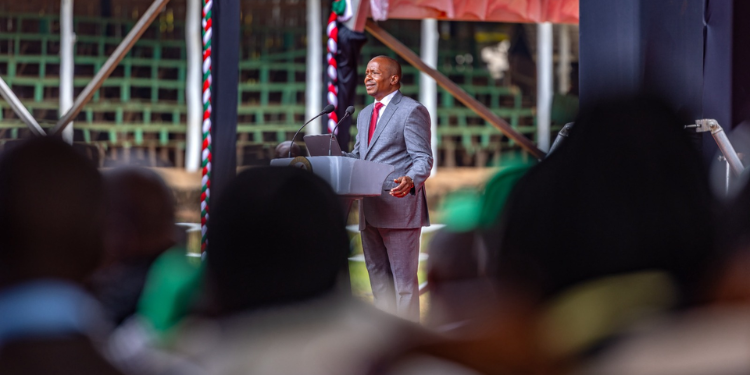
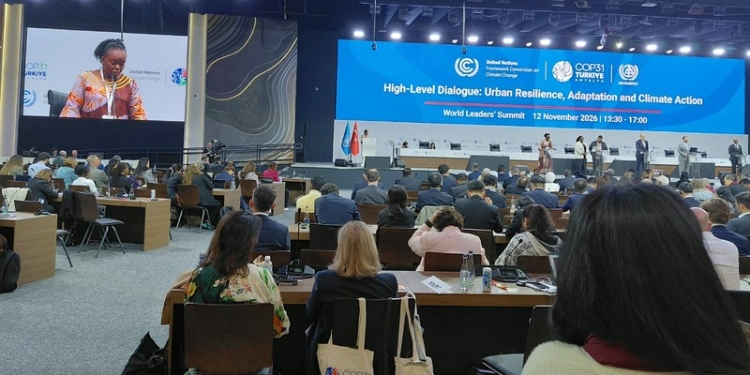
Speaking at the World Leaders’ Summit High-Level Dialogue on Urban Resilience, Adaptation and Climate Action at the 31st Conference of the Parties to the United Nations Framework Convention on Climate Change (COP31), Cabinet Secretary for Environment, Climate Change and Forestry, Dr. Deborah Barasa, called for attention to the most exposed urban communities.
“With Kenya’s urban population projected to rise from 28% to 46% by 2050 and six in ten urban residents currently living in informal settlements, building climate resilience remains an urgent national priority,” she emphasised.
Kenya’s national statement outlined efforts to move adaptation from policy into neighbourhoods. Under the Financing Locally-Led Climate Action (FLLoCA) Programme, county governments direct climate funds to grassroots communities.
The government is also presenting its Affordable Housing Programme as an investment in resilience. More than 280,000 climate-proof housing units are under construction nationwide. The initiative has created more than 640,000 jobs and is relocating families from flood-prone areas, including Mukuru and Kibera, to homes built to green standards.
Also Read: Ruto Details How He Has Put Kenya on Global Map in a Bold Diplomatic Scorecard
Kenya and Brazil are co-leading the Building Climate Resilience with the Urban Poor initiative alongside 20 African countries. The effort aims to turn urban adaptation needs into projects that can attract investment.
A 7.6 million United States dollars regional readiness project under the initiative is scheduled to launch with the Green Climate Fund on November 14, 2026, in Antalya.
Barasa noted that, in Nairobi, the Nairobi Rivers Regeneration Programme is restoring riparian ecosystems, improving stormwater drainage, expanding early-warning systems and deploying nature-based solutions to reduce flood risks.
Kenya called on international partners, development finance institutions and private companies to provide reliable adaptation finance.
It also urged the integration of the urban-poor initiative into the COP31 Sustainable Urban Resilience Financing Facility. As preparations begin for the 32nd Conference of the Parties (COP32) in Addis Ababa, Ethiopia, Kenya says cities must prepare for climate shocks and leave no vulnerable community behind.
Follow our WhatsApp Channel and X Account for real-time news updates, and subscribe to our YouTube Channel for in-depth interviews