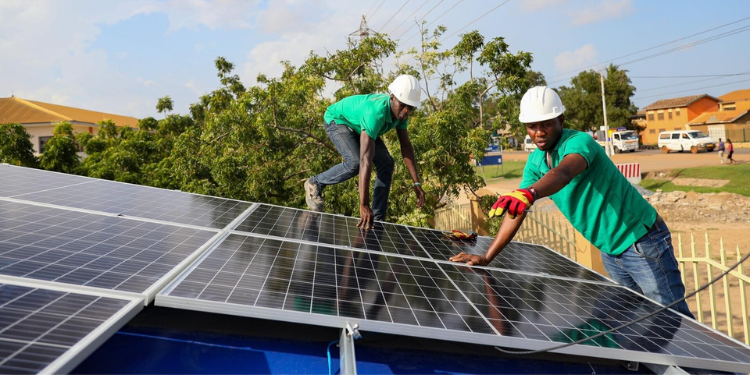

The Energy and Petroleum Regulatory Authority (EPRA) has introduced new regulations requiring all new building designs in Kenya to incorporate solar water-heating systems to promote the adoption of renewable energy.
In a notice on May 29, EPRA stated that the requirements were issued under the Energy (Solar Water Heating) Regulations, 2025—gazetted on July 9, 2025, via Legal Notice No. 115—and that all new premises must now include provisions for solar water heating systems at the design stage.
“The Authority wishes to inform the public that the Energy (Solar Water Heating) Regulations, 2025, gazetted on 9th July 2025 via Legal Notice No. 115, require that all new premises have in their design a provision for a solar water heating system,” reads part of the statement.
EPRA Makes Solar Water Heating Systems Mandatory
EPRA noted that the County governments have been tasked with enforcing compliance during the approval of architectural and engineering plans to ensure that developers adhere to the new requirements.
Under the regulations, EPRA will also work with county governments within two years of implementation to determine the minimum annual contribution of solar water heating systems towards hot water demand in different counties.
Developers of housing estates, architects, engineers, and property owners will be required to integrate solar water heating provisions into all new construction designs.
The regulations further stipulate that installation, testing, commissioning, repair, and maintenance of solar water heating systems must comply with Kenya Standards, the Building Code, and all relevant health, safety, and environmental laws.
EPRA also stated that only licensed solar water heating contractors and workers will be allowed to undertake installation and related works.
Also Read: EPRA Opens Bids for Purchase of Office Building
Framework and Regulations
Under the Regulations, no individual or company is allowed to operate in the solar water heating sector without a valid licence issued by EPRA.
Workers such as installers and technicians must obtain specific licences under Classes SHW1 and SHW2, while companies involved in manufacturing, importing, vending, or contracting are categorized under SHC1, SHC2, or SHM licences.
Applications for licences are submitted electronically to EPRA and must include detailed corporate, technical, and compliance documentation, including tax compliance and business permits.
Also Read: How to Choose the Best Solar Panels for Your Home in Kenya
Processing timelines are set at 30 days for companies and 60 days for individual workers. Once issued, licences remain valid for up to three years, subject to renewal and continued compliance.
The Regulations give EPRA broad enforcement powers, including inspections, compliance orders, and sanctions. Penalties for violations include fines of up to Ksh100,000, daily penalties for continuing breaches, and imprisonment of up to six months for unlicensed activity.
EPRA may also suspend or revoke licences, impose administrative penalties for failure to meet documentation or warranty obligations, and order the decommissioning of non-compliant systems at the offender’s cost.
The Regulations also prescribe minimum warranty periods of five years for solar collectors and storage tanks, two years for controllers, and one year for workmanship.
Follow our WhatsApp Channel and X Account for real-time news updates.