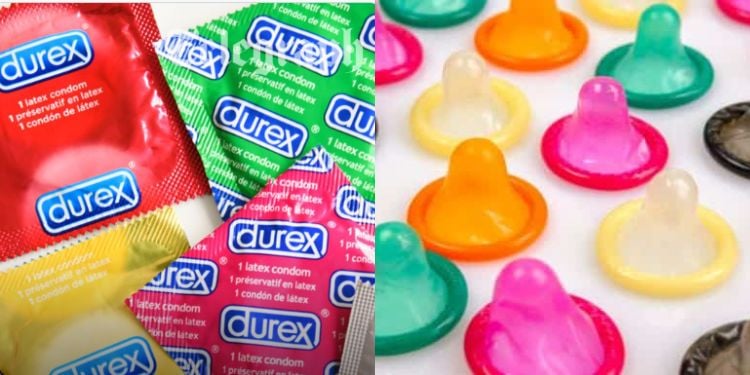
Global condom prices are set to rise by 20%-30% following supply chain disruptions linked to the closure of the Strait of Hormuz, which has affected petrochemical-dependent manufacturing inputs.
This is according to Karex, one of the world’s largest condom producers.
The increases are expected as production and logistics costs continue to climb across the sector.
According to an exclusive news report by The Telegraph, the leading producer of condoms is preparing to raise prices by almost a third after the Iran war sent costs soaring.
Karex, which supplies condoms to brands such as Durex and Trojan, has reportedly warned that disruption caused by the closure of the Strait of Hormuz has already led to planned price increases of between 20 percent and 30 percent.
The prices are projected to increase further if the Middle East conflict drags on and the crucial trade route remains closed.
Karex manufactures over five billion condoms per year, supplying global brands like Durex and Trojan, as well as state health programs such as the United Kingdom National Health Service and United Nations-funded aid shipments.
Karex CEO Reports Rubber Price Surge and Global Supply Chain Pressure
The price of rubber has increased by 8.5% in the last month, driven by rising global oil prices, adding pressure on manufacturing costs across the supply chain.
Karex, a major global condom manufacturer, speaking to The Telegragh through its Chief Executive Officer, Goh Miah Kiat, confirmed it has “no choice” but to pass the rising costs to customers.
“The situation is definitely very fragile, prices are expensive,” he said.
Also Read: Condom Shortage Looms in Kenya After Trump Order
The company, which produces around five billion condoms annually, reported cost increases across multiple areas of its operations. These include raw materials essential for production.
Additionally, Kiat confirmed that packaging inputs such as silicone oil and aluminum foil have also become more expensive, further increasing production costs across the supply chain.
Karex said it currently has sufficient stock to meet demand for the next few months. It also plans to increase output due to rising demand linked to shifts in international funding for health programs.
Shipping delays have significantly affected distribution, with deliveries to Europe and the United States now taking close to two months, compared to shorter timelines previously.
The company noted that more shipments are currently delayed at sea, adding pressure on supply availability in key markets.
Also Read: Ezekiel Mutua Meets Lady Who Gifted Pastor Kanyari Condoms
“We’re seeing a lot more condoms actually sitting on vessels that have not arrived at their destination but are highly required,” Kiat said.
How Middle‑East petrochemical supply chains affect condom production
Most condoms are made of natural latex, but the manufacturing relies heavily on petrochemical‑based inputs that come from the Middle East.
The ongoing Iran-related conflict and disruptions in the Strait of Hormuz are choking the flow of key chemicals such as silicone oil (used for lubrication) and anhydrous ammonia (used to stabilize latex and prevent tearing).
Karex Bhd, based in Malaysia, is the world’s largest condom manufacturer and is directly exposed to the same Middle‑East petrochemical supply chains that affect other condom producers.