
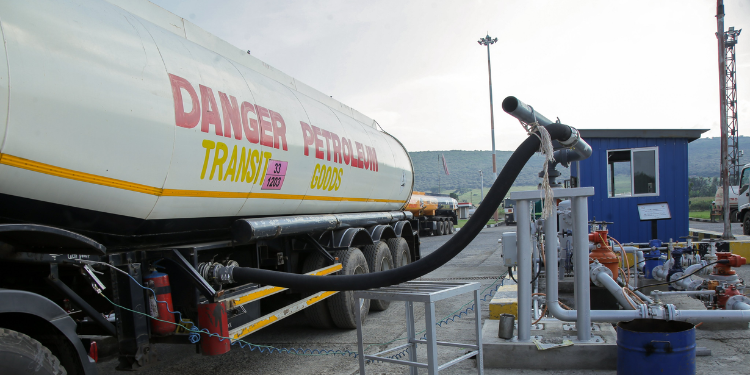
The Kenyan government, through the Directorate of Petroleum and Gas, has issued updated legal and professional requirements for drivers transporting petroleum in bulk by road.
In Kenya, driving a petroleum road tanker in Kenya requires strict compliance with legal and professional standards as outlined under the Petroleum Act. Subsection 74(1)(a) mandates that any person transporting petroleum in bulk by tanker must ensure the driver is certified by the relevant authority.
Non-compliance is considered an offence under subsection 74(2) and attracts a minimum fine of KSh 250,000, imprisonment for at least three years, or both.
Drivers may also be asked by police or EPRA officers to produce their licence at any time during operations.
Requirements for Every Petroleum Road Tanker Driver
To obtain a Petroleum Road Tanker Driver Certificate, the Directorate of Petroleum and Gas has confirmed that drivers must submit several documents.
These include:
- Scanned original copy of identification documents (ID or Passport) for the driver.
- Valid Certification of Fitness for Drivers from a Designated Health Practitioner (DOSH‑approved Doctor).
- A valid driving licence for the class of vehicle being driven issued by NTSA.
- Certificate of Good Conduct.
- Passport-size photo of the driver.
- Proof of training on defensive driving from a National Industrial Training Authority (NITA) approved driving school.
These requirements ensure that only qualified and medically fit drivers handle petroleum products.
Also Read: EPRA Lists Top 10 Petroleum Companies in Kenya by Sales Volume & Market Share
Legal and Professional Responsibilities
According to the Directorate of Petroleum and Gas, drivers are required to uphold, support, and promote the professional code of conduct.
Drivers must maintain fitness for duty, avoid unsafe practices, and comply fully with legal obligations.
They are expected to act as representatives of both the oil and gas sector and their transporting companies.
Drivers are instructed to always conduct themselves politely and considerately.
They must carry out pre-loading vehicle inspections according to EPRA-approved checklists, ensure they hold valid petroleum transport licences, and discharge petroleum only at licensed storage facilities or petrol stations.
Also Read: EPRA Explains Major Causes of Petroleum Tankers Accidents
Safety and Compliance Measures
Vehicle and product safety are paramount. Drivers are required to secure the tanker and its cargo at all times, whether on Kenyan roads or during international operations.
Additionally, drivers must actively support workplace safety protocols and perform any enforcement duties stipulated in the vehicle licence issued by EPRA.
By adhering to these legal and professional requirements, petroleum road tanker drivers ensure compliance with national regulations and contribute to safe and responsible handling of hazardous petroleum products.
Follow our WhatsApp Channel and X Account for real-time news updates.