Save the Children Kenya has called for urgent action to expand access to clean water, sanitation, and hygiene (WASH), warning that millions of African children remain at risk without these basic services.
In a statement shared on the Day of the African Child (DAC) 2026, observed on June 15, the organization stressed that every child’s rights begin with access to safe water, sanitation, and hygiene, aligned with this year’s continental theme on WASH.
“Every child’s rights begin with access to safe water, sanitation, and this Day of the African Child, we reaffirm our commitment to ensuring every child has access to WASH services that protect their health, education, dignity and future,” stated Save the Children.
Save the Children Links Clean Water Access to Children’s Health, Education and Dignity
The 2026 theme was “Ensuring universal access to water, sanitation and hygiene for every child in Africa,” a call to action to address persistent gaps in access to clean water and to protect the rights and well-being of children across the continent.
Also Read: Kenya in Talks With OpenAI to Launch First AI Academy in Eastern Africa
The theme placed water, sanitation and hygiene at the centre of children’s rights, linking it directly to health, education, dignity and long-term development across the continent.
It also aligns with the African Union’s broader 2026 agenda on sustainable water availability and safe sanitation systems as part of Agenda 2063.
Observed annually on June 16, the Day of the African Child commemorates the 1976 Soweto uprising in South Africa, where school children protesting poor education were killed.
Since its establishment by the Organization of African Unity in 1991, the day has evolved into a platform for governments, civil society and children themselves to evaluate progress and push for improved protection of children’s rights.
How Save the Children Implements WASH
Save the Children delivers its WASH (Water, Sanitation and Hygiene) programmes through practical, community-based interventions designed to improve children’s daily lives, health and access to education.
The organization’s approach focuses on sustainable solutions that address both immediate needs and long-term systems.
The areas of intervention include:
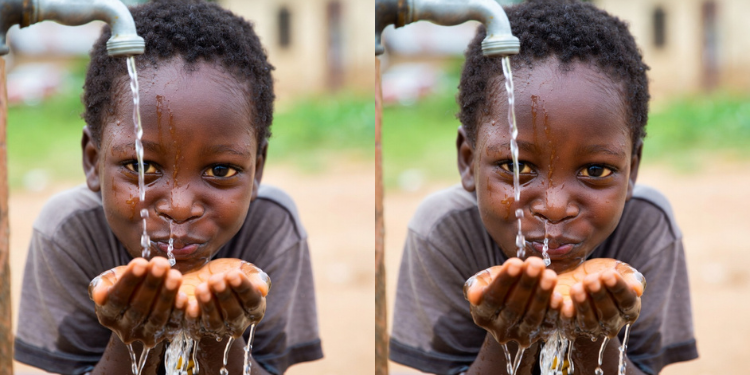
- Expanding access to safe water
Save the Children supports the provision of clean, reliable water through the installation of boreholes, protected wells, and community water supply systems, thereby reducing children’s exposure to waterborne diseases. - Improving sanitation infrastructure
The organization works to construct and upgrade safe, child-friendly latrines in schools and communities to end open defecation and create healthier environments. - Promoting hygiene practices
Through awareness campaigns and education, Save the Children encourages regular handwashing, safe hygiene behaviours and menstrual hygiene management, particularly for adolescent girls. - Strengthening schools and health facilities
WASH programmes are integrated into schools and healthcare settings to ensure children can learn in safe environments and access care without the risk of infection. - Partnering for sustainable systems
Save the Children collaborates with governments, local communities and development partners to build and maintain long-term, resilient water and sanitation systems.
70% of Nigerian Children Lack Access to Clean Water and Sanitation
In line with Tuesday’s commemoration, Save the Children International warned of worsening water, sanitation and hygiene (WASH) conditions in Nigeria, revealing that nearly seven in 10 children lack access to basic services.
Also Read: Equity Group Opens First Pharmacy Outlet as It Targets Cheaper Medicine for Kenyans
According to Save the Children International, millions of children are growing up without reliable access to safe drinking water, proper toilets or handwashing facilities, leaving them vulnerable to disease and limiting their ability to attend school consistently.
“ Data reveal that about 70% of Nigerian Children, that is, about 7 in 10 children in Nigeria, are still deprived of WASH facilities limiting their ability to learn and thrive,” wrote the organization in the statement.
The situation is compounded by the fact that more than 161 million people in Nigeria depend on unsafe water sources, while only a small fraction about 6 percent of health facilities have adequate WASH services.
In education settings, the gaps are equally stark, with over 10 million pupils lacking access to basic sanitation, a challenge that continues to disrupt learning and school attendance.
Save the Children warns that poor WASH conditions are driving the spread of preventable illnesses such as cholera, typhoid and diarrhea, with the latter claiming the lives of more than 70,000 children under five each year.
The organization also points out that the lack of adequate facilities disproportionately affects girls, who are more likely to miss school due to the absence of safe and private sanitation and hygiene options.
Follow our WhatsApp Channel and X Account for real-time news updates.