The United States has announced a new visa restriction policy targeting people and businesses involved in facilitating “birth tourism,” a move that could affect foreign travel agents, brokers, and other intermediaries, including those operating in Kenya.
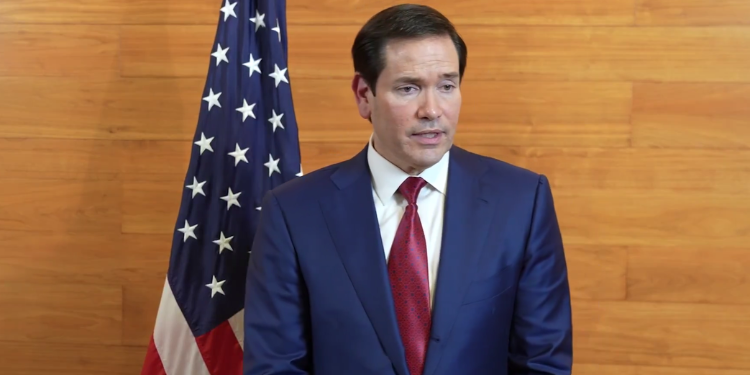
U.S. Secretary of State Marco Rubio said on September 23 that the policy targets individuals who knowingly engage in, have engaged in, or facilitate birth tourism to the United States.
Birth tourism is the practice of traveling to another country specifically to give birth there so that the child acquires citizenship or other immigration benefits available in that country.
The restrictions were introduced under Section 212(a)(3)(C) of the Immigration and Nationality Act.
“This policy targets individuals who knowingly engage in, have engaged in, or facilitate birth tourism to the United States, including owners, operators, and managers of commercial birth tourism facilitation networks, visa “fixers” who coach applicants to commit fraud, foreign medical providers who knowingly abet and facilitate such travel and the fraudulent use of our Medicaid system, and other individuals who support, abet, and enable commercial birth tourism,” Marco Rubio stated.
The State Department said the restrictions are intended to prevent abuse of the U.S. immigration system and protect the integrity of U.S. citizenship.
The agency also said the policy targets people who profit from birth tourism arrangements and related visa fraud.
Trump’s Immigration and Visa Crackdown by the Numbers
The birth tourism restrictions come as the administration of Donald Trump expands its crackdown on immigration and visa-related abuses.
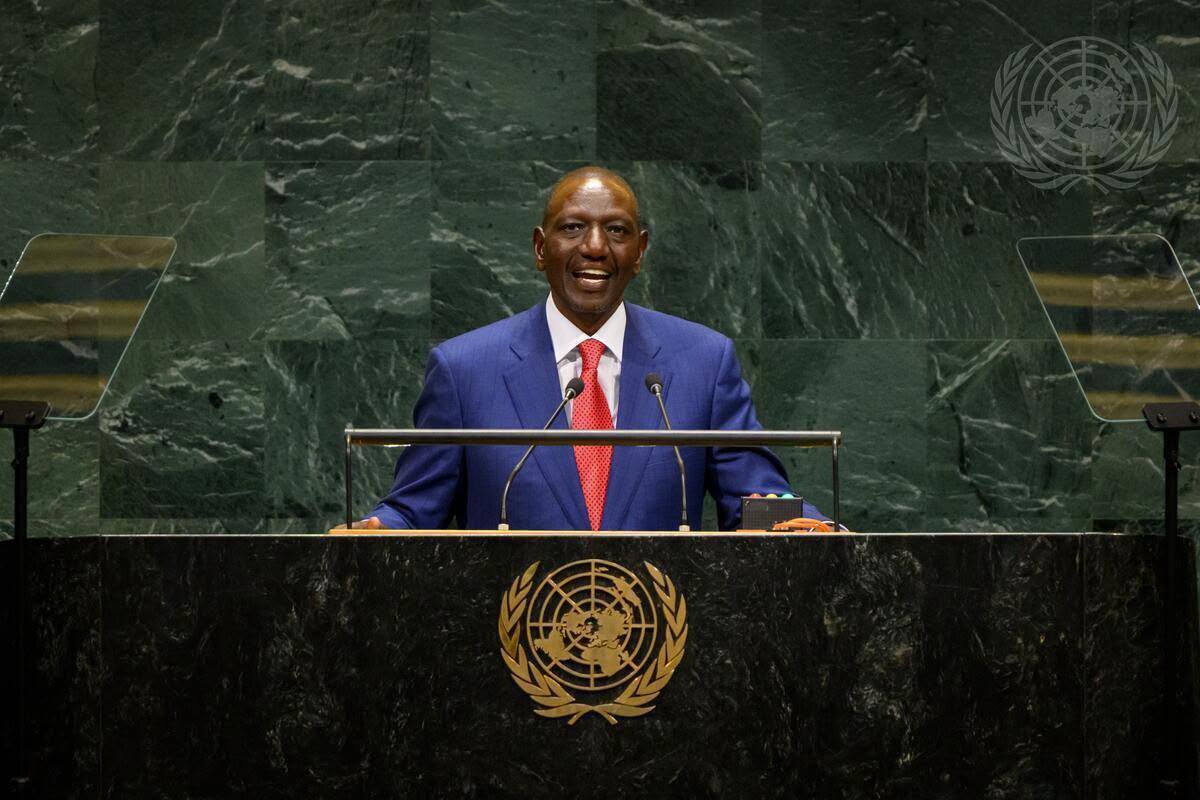
Also Read: Ruto Full Speech at UNGA 2026 in New York: Complete Text
According to the White House Report on September 9, more than three million migrants have left the United States during Trump’s second term, while the illegal immigrant population has fallen by at least 2.3 million.
The administration also says the country recorded negative net migration in 2025 for the first time in at least 50 years.
The White House says asylum approvals have fallen to just 7 percent of cases, down from more than 50 percent under the previous administration.
It also says immigration enforcement has intensified, and more than 175,000 visas have been revoked from foreign nationals.
Authorities have arrested more than 10,000 illegal immigrant gang members and blocked more than 10,000 suspected narcoterrorists from entering the country, according to the administration.
On September 18, the State Department announced that from October 1, 2026, it will extend online-presence screening to I visas for foreign media representatives and TN/TD visas for certain professionals from Canada and Mexico and their dependants.
Applicants in those categories will be instructed to make their social-media profiles public or open for review.
The department says it already applies this type of screening to students, exchange visitors, H-1B workers, religious workers, fiancé(e) applicants, and several other visa categories.
Kenyans in the U.S
About 182,000 Kenya-born immigrants were living in the United States in 2024, according to an analysis of US Census Bureau data by the Migration Policy Institute (MPI).
Also Read: Starlink Enters Kenya’s Top 5 ISPs as Satellite Connections Surge 54%
The figure makes Kenyans one of the largest East African immigrant communities in the US.
The Kenyan-born population in America grew by about 105 percent between 2010 and 2024. Kenyans also recorded a civilian labor-force participation rate of 81 percent in 2024, reflecting the high share of working-age immigrants in the community.
The United States is also Kenya’s largest source of remittances. Kenya received about $2.63 billion from the US in 2024, accounting for roughly 53 percent of the country’s total remittance inflows that year, based on Central Bank of Kenya figures.
The US also remains a destination for Kenyan students, workers, exchange visitors and other temporary travelers, with thousands of visas issued to Kenyan nationals annually.
Follow our WhatsApp Channel and X Account for real-time news updates.