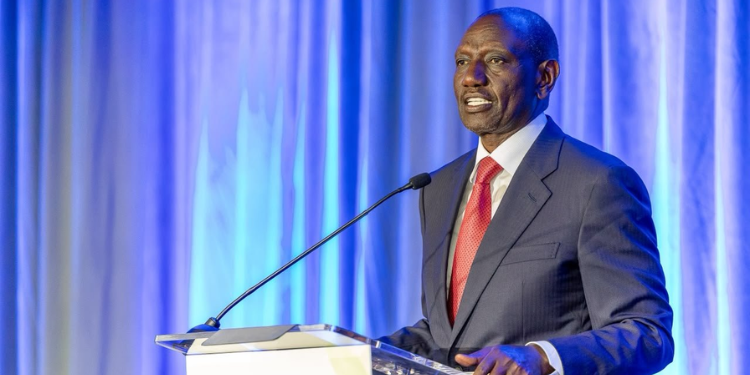
President William Ruto has announced plans to exempt Kenyans earning KSh32,333 per month or less from Pay As You Earn (PAYE) tax as part of proposed measures to ease the financial burden on households.
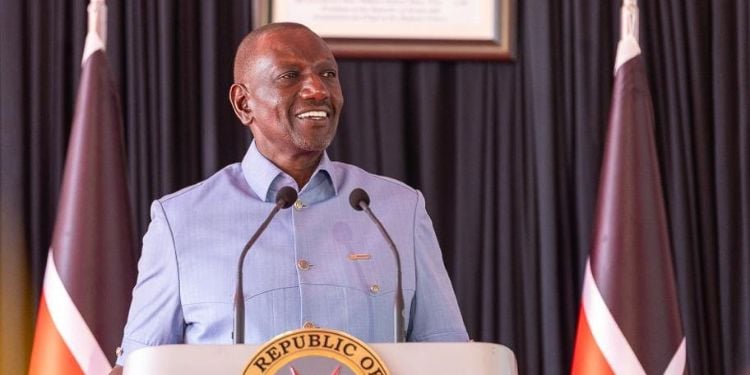
Speaking during the Mashujaa Day celebrations in Eldoret on Tuesday, October 20, 2026, Ruto said the National Treasury had prepared the proposal alongside other measures targeting the cost of land transactions, mobile phone prices and youth unemployment.
“First, we have prepared a proposal to exempt Kenyans earning 32,333 shillings per month or less to be exempted from paying pay as you earn income tax,” Ruto said.
He explained that the proposed exemption would give workers earning modest incomes more money to spend on household needs, including food, transport and school expenses.
“For workers on modest incomes, every shilling saved means more money for food, transport, school expenses, and the needs of their families,” he said.
The President said the government would pursue the necessary legislative and administrative processes to implement the proposals, which he had directed the National Treasury to present to Parliament.
Ruto Proposes Stamp Duty Exemption on Land Transactions
The government also plans to exempt land transactions valued at KSh1 million or less from stamp duty while introducing progressive rates for higher-value transactions.
Ruto said the proposal would reduce the cost of acquiring and transferring property, particularly for Kenyans with modest incomes.
“This will help reduce the cost of acquiring and transferring land, especially for citizens at the bottom of the pyramid, and strengthen every Kenyan’s ability to own property,” he said.
Stamp duty is a tax charged on certain legal instruments, including documents used in property transactions. The proposed exemption would reduce the tax payable on qualifying transactions if approved and implemented.
Ruto Plans to Remove 25 Per Cent Import Duty on Mobile Phones
Ruto also announced plans to remove the 25 per cent import duty on mobile phones, subject to the necessary legal and regional customs processes.
He said mobile phones had become essential tools for education, business, financial services and access to employment opportunities.
“As we all know, a mobile phone is no longer a luxury. It is a classroom, a marketplace, a bank, and an office for many young Kenyans, a gateway to employment,” he said.
The President added that making phones more affordable would enable more Kenyans to participate in the digital economy.
The proposed removal of the duty is yet to take effect and will require the relevant legal and regional customs procedures.
Ruto Announces 50,000 More Internship Opportunities From January 2027
The fourth measure involves expanding the National Internship Programme to accommodate an additional 50,000 young Kenyans from January 2027.
Ruto said the programme would cover graduates from colleges, Technical and Vocational Education and Training (TVET) institutions, Kenya Medical Training Colleges (KMTCs) and universities.
He added that the interns would receive a monthly stipend.
“Placements will be conducted through a transparent digital and merit-based system, alongside incentives for private employers to offer meaningful work experience,” he said.
Ruto said the programme would help young people overcome the challenge of securing employment without prior work experience.
“Too many young people cannot secure employment without experience and a pathway from education to employment.
Ruto Directs Treasury to Present Proposals to Parliament
The President said the four measures were intended to address the financial and employment challenges facing Kenyans, including the burden of taxation, the cost of acquiring property, access to digital opportunities and difficulties young people encounter when entering the labour market.
“The necessary legislative, fiscal, and administrative processes will follow, with attention to sustainable financing, transparency, and effective implementation,” he said.
Ruto added that he had directed the National Treasury to place the proposals before Parliament.
“Our purpose is clear: to put more money in the pockets of workers, make ownership easier for families, bring digital opportunities within reach, and open the doors of employment for our young people,” he said.
More to Follow…