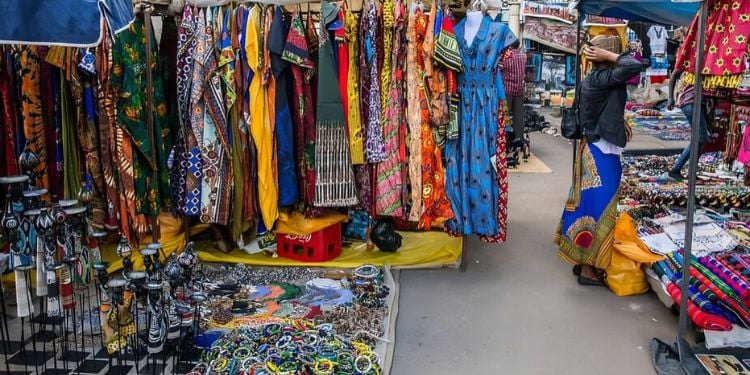
In 2026, affordable fashion in Kenya is shaped by second-hand clothing markets, budget-friendly retail stores, online shopping platforms, and local fashion brands.
Open-air markets such as Gikomba and Toi continue to dominate the low-cost fashion space.
At the same time, organized thrift chains, Instagram boutiques, and e-commerce platforms offer consumers more convenient, modern shopping alternatives.
Mitumba Markets Affordable Fashion
Many shoppers continue to rely on Gikomba Market, Nairobi’s largest mitumba hub, which offers a wide variety of clothing and brands across categories, including jeans and jackets, office wear, dresses, shoes, and designer-inspired outfits, at relatively low prices.
Similarly, Toi Market has maintained its position as one of Nairobi’s most popular destinations for affordable clothing.
The market offers both second-hand and new clothing, allowing shoppers to negotiate prices and find fashionable pieces at significantly lower prices than in shopping malls.
According to Huduma, Global Mitumba offers affordable, fashionable designs.
“For consumers, mitumba provides affordable, often good-quality clothing far cheaper than new garments, a crucial benefit for low- and middle-income households,” Huduma Global noted.
Also Read: From Smart Casual to Streetwear: Mens Fashion Trends in 2026
Eastleigh Market
For consumers seeking imported clothing at affordable rates, Eastleigh remains one of Kenya’s most important fashion centers.
The area serves as a major wholesale and textile hub where traders sell a broad range of products, including jeans, dresses, abayas, suits, and children’s clothing.
Many boutique owners and online fashion sellers purchase stock from Eastleigh before reselling it to customers across the country.
As a result, the area continues to play a significant role in supplying affordable fashion to both individual consumers and small business owners.
Organized Thrifting
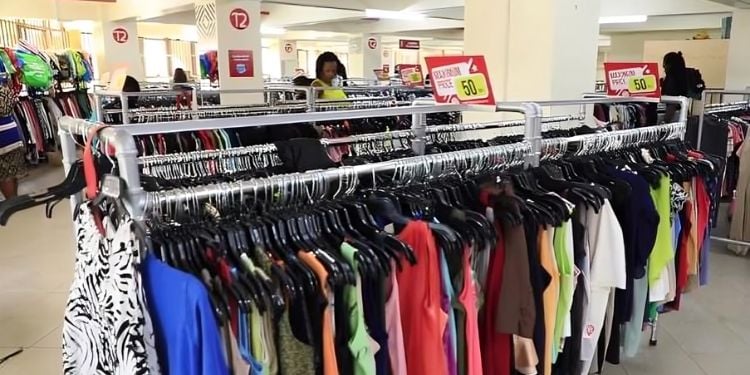
Unlike traditional open-air markets, structured thrift chains are currently shifting how Kenyans purchase second-hand clothing.
Following the shift from open-air markets to thrift chains, Think Twice Kenya has emerged as one of the country’s most recognizable thrift retailers, providing shoppers with organized outlets where clothing is sorted by category, size, and style.
The stores offer dresses, shirts, trousers, jackets, children’s wear, and accessories in a retail environment that many customers find easier to navigate than conventional mitumba markets.
Social Media Fashion Stores
Kenyan entrepreneurs are increasingly turning to social media platforms to sell affordable clothing.
Instagram, Facebook, TikTok, and WhatsApp have become popular marketplaces where thrift sellers showcase their latest products through photos and videos before delivering them directly to customers.
The trend has become especially popular among students and young professionals who prefer shopping online rather than spending hours in physical markets.
Online Shopping Platforms
Websites such as Jumia, Kilimall, and ShopZetu offer consumers access to thousands of clothing products from local and international sellers.
The online shopping platforms are currently gaining popularity as they run discounts, clearance sales, and promotional campaigns that enable shoppers to purchase clothing at reduced prices.
Also Read: Top Designers and Brands Transforming Kenyan Fashion 2026
Local Designers
Kenyan fashion designers are also adapting to changing consumer needs by introducing lower-priced ready-to-wear collections.
According to Bantu Fashion, fashion designers have shifted from focusing exclusively on premium designs to offering affordable dresses, blazers, tops, handbags, shoes, and workwear for consumers.
Brands such as Sarai Afrique and other local boutiques have attracted customers seeking elegant yet reasonably priced clothing for work, social events, and casual outings.
Cultural and Tailoring Fashion Markets
The well-known Maasai Market remains a key destination for shoppers looking for kangas, kikoys, Maasai shukas, beadwork, handbags, and handcrafted jewelry at negotiable prices.
These pieces have become increasingly popular among consumers seeking unique alternatives to imported fashion.
However, some consumers still opt for tailoring as a cost-effective fashion option.
Areas such as Biashara Street in Nairobi continue to attract shoppers who purchase fabric and have garments tailored to their exact measurements.
For professionals seeking suits, dresses, and formal wear, tailor-made clothing often provides better value than purchasing ready-made outfits that may require alterations.
Follow our WhatsApp Channel and X Account for real-time news updates.