The Kenyan government has clarified President William Ruto’s directive targeting foreigners engaged in small-scale businesses.
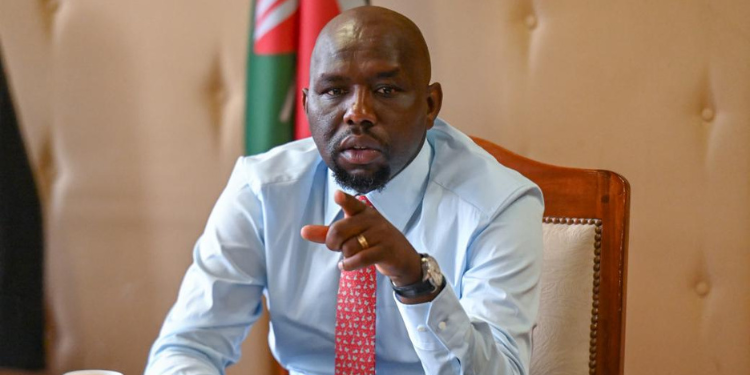
Government spokesperson Charles Owino said on September 7 that the measures aim to regulate informal trade and protect local livelihoods, not ban East African nationals from the country.
“The core intent of these measures is to protect vulnerable sectors of our domestic economy, safeguard local livelihoods, and maintain the integrity of our national identity systems,” said Owino.
The clarification came amid growing concern among foreign traders, particularly Burundian nationals, following the President’s September 2 directive that foreigners operating small-scale businesses in the country should leave the sector.
Owino said Kenya would establish a formal documentation and registration window for undocumented East African Community nationals.
Government Opens Registration Window for Undocumented EAC Nationals
Owino said undocumented EAC nationals, particularly Burundian citizens living in Kenya, should present themselves to their respective embassies or high commissions for formal identity registration.
Also Read: Kenya Issues Fresh Warning to Foreigners on Visa-Free Entry
The Kenyan Ministry of Foreign Affairs will work with the Embassy of Burundi and other regional partners in the documentation process. During the registration period, those undergoing the process will be presumed to be legally present in Kenya.
The government said the initiative is intended to bring undocumented migrants into the formal system and allow them to access essential services and legal protections without fear of harassment.
Owino said the government would communicate further details on the administrative process through the respective foreign missions as Kenya coordinates the exercise with its regional partners.
The announcement followed scenes at the Embassy of Burundi in Nairobi on Monday, where hundreds of Burundian nationals gathered seeking travel documents and clarification of their status amid fears over the enforcement of the new directive.
Ruto Directive Focused on Small-scale Trade
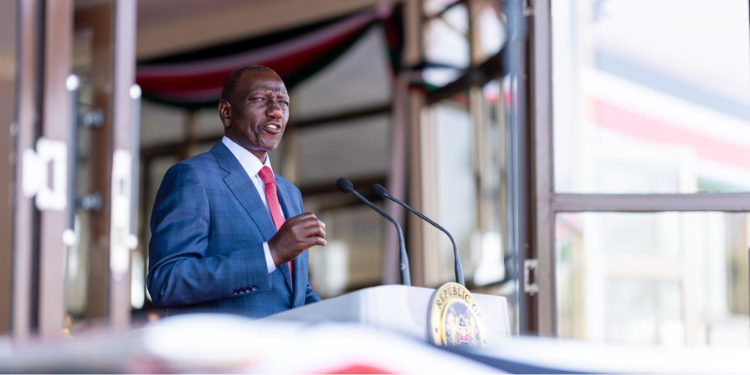
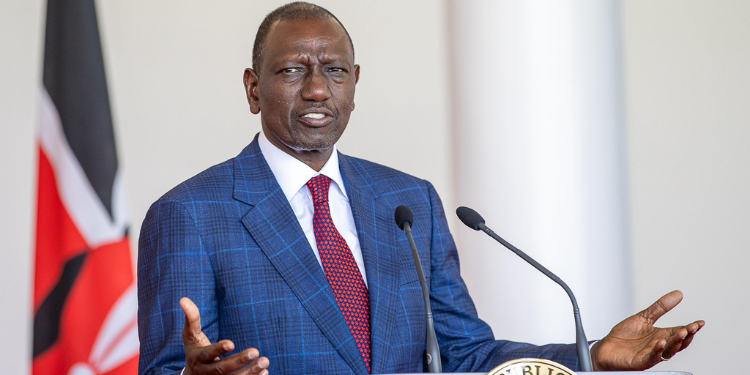
President Ruto issued the directive on September 2 while addressing micro, small and medium enterprise traders at State House in Nairobi.
He ordered a crackdown on foreigners engaged in hawking and other small-scale businesses, arguing that such activities should provide opportunities for Kenyan traders.
Ruto said the government had worked to create an environment that could attract foreign investors but distinguished between major investment and foreigners competing with Kenyans in small-scale retail and hawking.
The President also directed the Ministry of Investments, Trade and Industry to begin enforcement and called for the proposed Local Content Bill to be fast-tracked.
The government has maintained that the measures are intended to protect vulnerable sections of the domestic economy and safeguard opportunities for Kenyan traders.
Government Warns Against Harassment and Xenophobia
As concerns grew among foreign nationals, the government warned security agencies, local authorities and businesses against using the directive as a basis for harassment or discrimination.
Also Read: President Ruto Orders Immediate Shutdown of Chinese Shops in Kenya
Owino said Kenya maintained “absolute zero tolerance” towards harassment, intimidation and xenophobia and directed authorities to ensure that foreign nationals who are documented or undergoing registration are not subjected to arbitrary treatment.
“Any element seeking to exploit recent directives to fuel xenophobic sentiments or mistreat our neighbours will face the full force of the law,” he said.
The government also said it was working with civil society and humanitarian organisations to monitor the safety of migrants, particularly in urban centres.
Owino said Kenya recognises the contribution of East African nationals to the country’s economy and society, including Burundians who have lived and conducted business in Kenya.
He further rejected reports portraying the measures as a blanket ban on foreign nationals, saying the government’s position was focused on regulating economic activities while maintaining Kenya’s regional commitments.
Follow our WhatsApp Channel and X Account for real-time news updates.