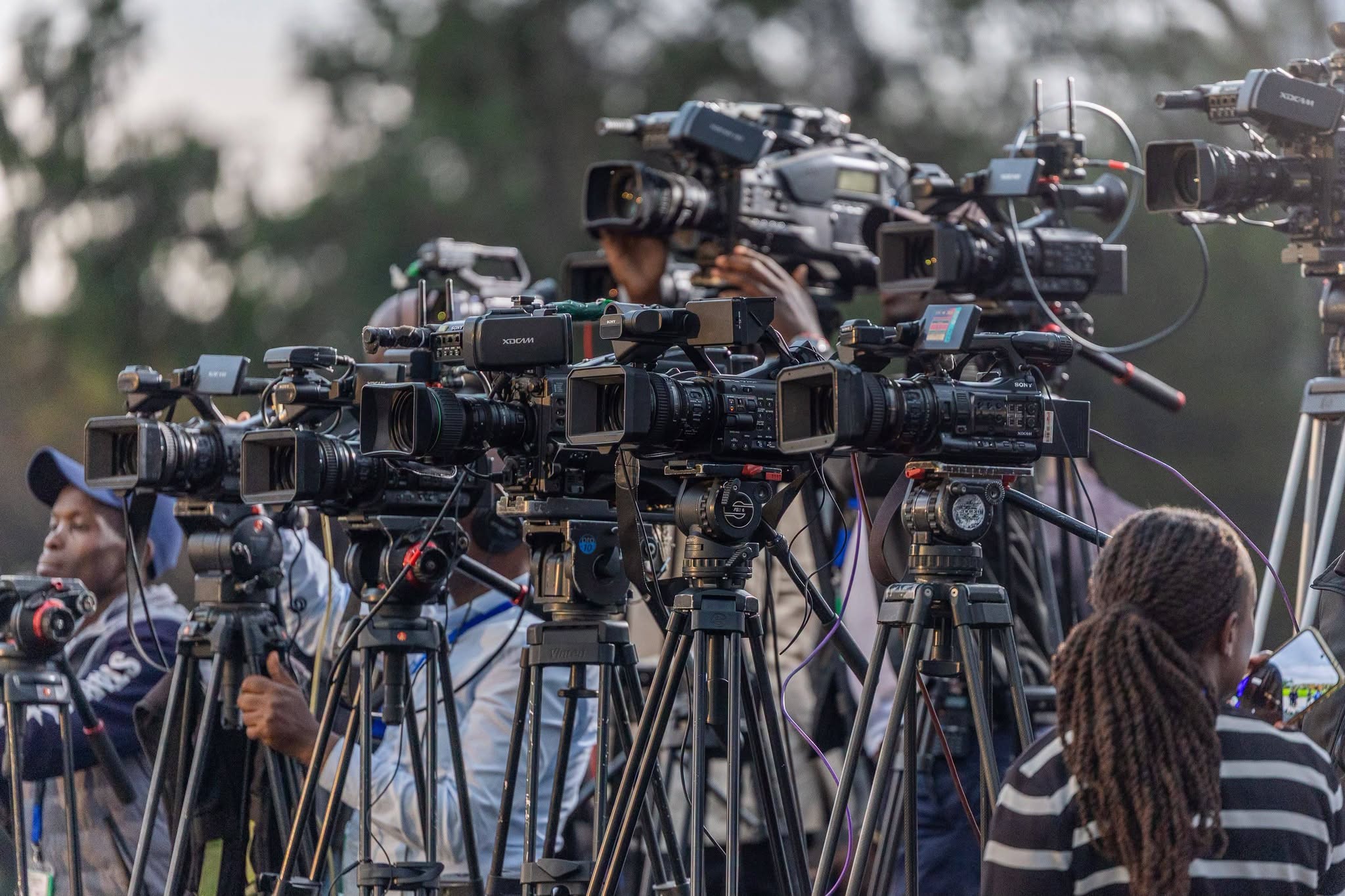
On 2 November 2026, the world marked the International Day to End Impunity for Crimes against Journalists, an annual occasion for reflecting on press freedom, the safety of journalists and the persistent threats facing media practitioners across the world.
Press freedom is a fundamental human right, anchored in international human rights instruments, including the United Nations framework on freedom of expression.
Domestically, Article 34 of the Constitution guarantees media freedom, while the Media Council of Kenya Act, 2013, provides a statutory framework for regulating and promoting professional standards in the media industry.
However, against the backdrop of this year’s celebrations, the Media Council of Kenya (MCK) and the Kenya Union of Journalists (KUJ) released a rather unfortunate report. The joint research findings indicated that at least 52 per cent of journalists earn less than KSh 50,000 a month.
This is an important finding, particularly when we consider the consequences of poor remuneration in the newsroom.
It helps explain, in part, the early retirement of journalists, the growing despondency among media practitioners, and the continued exodus of experienced journalists from newsrooms.
What I find particularly interesting, however, is that the media reported these findings as though it had no knowledge of the circumstances under which journalists work.
The very institutions that are responsible for some of these injustices against journalists are now reporting on them as though they are mere observers of an unfortunate industry problem.
When I was actively involved in media affairs, I had a friend who worked for a mainstream newspaper. For approximately 10 years, she served as a correspondent based in Kisumu, covering events and producing investigative and human-interest stories.
Throughout those years, she spoke of her frustrations. She longed for a contract and hoped to be absorbed into the organisation so she could enjoy the benefits of formal employment. Neither happened.
Meanwhile, her friends who were already employed complained that the best they could earn was about KSh 50,000 a month. At the time, senior editors were rumoured to earn between KSh 150,000 and KSh 300,000, while such figures were considered entry-level salaries for some radio and television presenters.
Today, very little has changed. The MCK-KUJ 2026 survey reported that 55% of journalists work as correspondents, freelancers or contributors and the average journalist salary is KSh 63,000.
Going Beyond Condemning the Attacks
The conversation about crimes against journalists is important. But we must go beyond condemning attacks. We must hold perpetrators accountable, whether they are politically affiliated individuals or institutions within the media industry. Much of what is happening is already known. What is missing is deliberate action.
For the longest time, MCK and KUJ have operated in an environment where politics often appears to take precedence over the interests of the journalists they are supposed to protect. We have seen very few sustained efforts to address journalists’ welfare, prevent attacks or hold those responsible for violations to account.
I say this with some authority because I am a member of the Media Council of Kenya. Too often, an attack against a journalist is followed by a statement condemning the incident, an expression of concern and then silence. The cycle repeats itself with the next attack.
Also Read: World Press Freedom: A Call to Protect Journalism in Uncertain Times
Perhaps the most significant action I have seen KUJ take in recent years was in August 2024, following the heightened attacks against journalists during the Gen Z protests, some of which I personally experienced.
I remember escaping near-death situations on three separate occasions while covering events during that period. Following the attacks of 25 June 2024 and subsequent assaults on journalists, KUJ, alongside other media stakeholders, organised a demonstration on July 24, 2024, to protest the threats and attacks against media practitioners.
I was part of that procession, both as a journalist and as someone covering the event. For me, this was one of those moments when the union demonstrated what it means to organise and act in defence of journalists.
Yet, despite years of deliberate attacks against the Kenyan media, efforts to address the underlying institutional and professional concerns remain inadequate.
Since the historic Gen Z protests of 2024, we have witnessed several attacks against journalists. These incidents should have forced the industry to undertake serious introspection, not only about the safety of its practitioners but also about its responsibility towards them.
Exodus from newsrooms
The exodus from newsrooms will continue if these issues remain unresolved. The joint survey confirmed this: 89% of journalists were looking for jobs outside their current workplace, and one out of three planned to leave journalism at the earliest opportunity. This year alone, several journalists have expressed interest in seeking political office.
One may ask: Why would journalists want to leave the newsroom for politics? And what about those who have already made that transition? What impact have former journalists in Parliament made towards advancing the interests of the media? Can we point to legislation they have championed to improve journalists’ welfare, strengthen media freedom or protect the Fourth Estate?
How does a journalist being elected to office help the colleague in the newsroom earning less than KSh 50,000? How does it address the correspondent who has worked for 10 years without a contract? How does it protect the journalist facing threats while covering a protest?
Also Read: Publishing False Statements is Not a Crime: Lessons from the Court of Appeal
There is nothing inherently wrong with journalists seeking elective office. They have the same constitutional rights as everyone else to participate in politics and pursue leadership positions. However, we must also interrogate what happens to the profession and institutions they leave behind.
Who speaks for the journalist who remains in the newsroom? Who fights for better pay, job security, insurance, safety and decent working conditions?
We cannot continue celebrating press freedom while ignoring the conditions under which journalists work. Neither can we condemn attacks against journalists while remaining indifferent to the economic exploitation that makes the profession increasingly unattractive and unsustainable.
The fight against crimes against journalists must also be a fight for their dignity. The media industry must examine its own complicity in the suffering of journalists. And most fundamentally, that fight must go beyond statements.
Follow our WhatsApp Channel and X Account for real-time news updates and subscribe to our YouTube Channel for in-depth interviews.