Secretary of State Marco Rubio told lawmakers Tuesday that the United States is engaged in indirect negotiations with Iran on its nuclear program, describing diplomacy with Tehran as uniquely difficult and reliant on intermediaries.
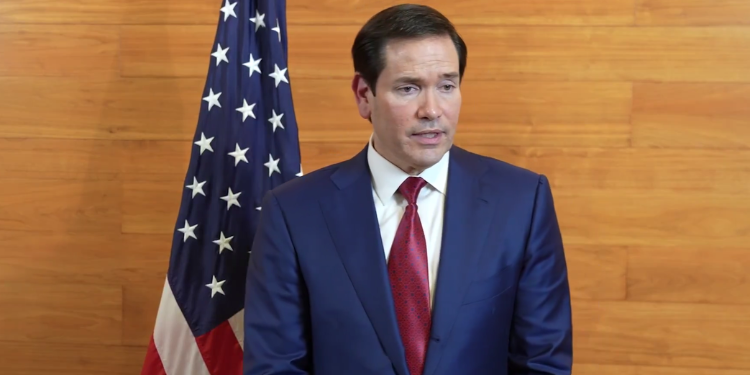
Rubio appeared before the Senate Foreign Relations Committee on June 2, 2026, in his first public congressional testimony since the U.S. launched Operation Epic Fury against Iran on February 28.
The strikes, conducted with Israel, targeted Iranian military sites, nuclear infrastructure, and leadership, including the killing of Supreme Leader Ali Khamenei.
Nuclear Talks Through Intermediaries
Rubio acknowledged ongoing communications but stressed their indirect nature. “We are in talks, and I say talks because talks with Iran are not like talks with Switzerland, okay? They’re very different. They require the use of intermediaries, unfortunately,” he said.
He added that Iran has agreed to discuss aspects of its nuclear program that it refused to address as recently as a month or a year ago.
“There is the prospect before us, which could happen today, it could happen tomorrow, it could happen next week, that for the first time, certainly in my memory, they have agreed to negotiate aspects of their nuclear program,” Rubio stated.
Also Read: Rubio Says Iran Talks Close to Breakthrough Deal
Lawmakers pressed Rubio on the status of a fragile ceasefire brokered by Pakistan in early April. Violations have continued, and broader peace talks remain stalled amid disputes over nuclear limits, the Strait of Hormuz, and regional proxies.
Defense of Military Action
Rubio defended the initial U.S. strikes as necessary to degrade Iranian missile capabilities and prevent attacks on American forces.
He described the operation as having achieved its core military objectives, including destruction of key nuclear and missile sites, though he stopped short of claiming regime change.
Democrats on the committee questioned the administration’s legal authority for the campaign and its costs, citing U.S. aircraft losses and regional fallout.
Republicans largely backed the action but sought details on exit strategy and diplomatic next steps. Rubio emphasized an “America First” approach, arguing that diplomacy must be backed by pressure.
Also Read: Marco Rubio Declares Stance on Backing JD Vance for President in 2028
He noted that any final agreement would need to address not only enrichment but also ballistic missiles and support for militant groups.
Budget Scrutiny Amid Conflict
The hearing centered on the State Department’s fiscal year 2027 budget request, estimated at nearly $36 billion. Rubio used the session to argue for sustained funding to support diplomacy, sanctions enforcement, and alliances strained by the conflict.
Oil prices spiked after the strikes disrupted shipping through the Strait of Hormuz. Partial reopening has occurred, but flows remain below pre-war levels.
The three-month conflict displaced millions, triggered Iranian retaliatory attacks across the region, and drew U.S. losses.