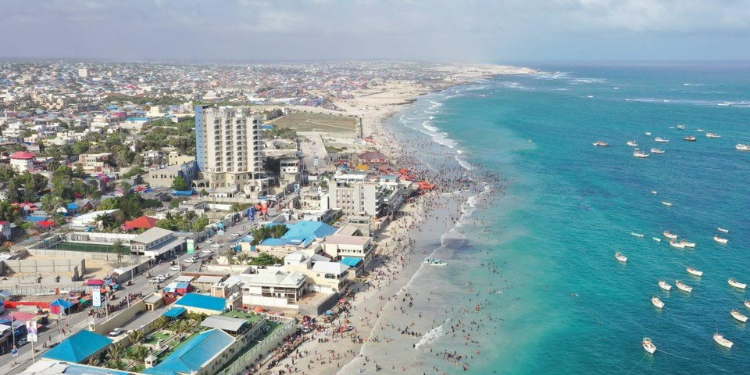
South Sudan, Somalia and Venezuela are among the countries with the lowest scores in the world for controlling public-sector corruption, according to Transparency International’s 2025 Corruption Perceptions Index (CPI).
The index, released in February 2026, assessed 182 countries and territories using a scale of zero to 100. A score of zero indicates a country perceived to have a highly corrupt public sector, while 100 represents a clean public sector.
Transparency International said countries with the lowest scores were largely affected by conflict, political instability and restrictions on civil society. The organisation also identified weakened institutions and entrenched patronage networks as factors behind long-term declines in some countries.
The index measures perceived public-sector corruption using assessments by experts and businesspeople, and it does not count every corruption case or establish that every public official in a low-scoring country is corrupt.
Here are 11 countries with some of the lowest scores in the 2025 index and the governance challenges associated with their performance.
The 11 Lowest-Ranked Countries in the World in 2025 Index
| Country | Score out of 100 |
| South Sudan | 9 |
| Somalia | 9 |
| Venezuela | 10 |
| Yemen | 13 |
| Libya | 13 |
| Eritrea | 13 |
| Sudan | 14 |
| Nicaragua | 14 |
| Syria | 15 |
| North Korea | 15 |
| Equatorial Guinea | 15 |
Also Read: World’s Most Expensive Cities to Live in 2026
Why These Countries Ranked Poorly
Transparency International identifies conflict, instability and restrictions on civil society as common challenges in countries with very low CPI scores. In South Sudan, prolonged conflict and weak public institutions have complicated efforts to maintain effective oversight of public resources and hold officials accountable.
- Somalia
Somalia also scored 9 out of 100, placing it among the countries with the lowest scores worldwide.
Decades of conflict and political instability have weakened state institutions and complicated the delivery of public services. The International Monetary Fund (IMF) has called for stronger anti-corruption systems and improvements in the country’s legal and institutional safeguards.
- Venezuela
Transparency International has identified Venezuela as one of the countries experiencing a long-term decline in its corruption score. The organisation links such declines to weakened democratic institutions, entrenched patronage networks and reduced accountability.
- Yemen
Years of conflict have fragmented authority and weakened public institutions, making it hard to oversee public spending, enforce anti-corruption laws, and ensure transparent management of public resources.
- Libya
Political divisions and competing centres of power have complicated efforts to strengthen public accountability. The management of oil revenue is also an important governance concern because of the sector’s role in the country’s public finances.
The IMF has identified governance weaknesses and corruption risks as challenges facing Libya.
- Eritrea
The country has a high centralised political system and limited space for independent scrutiny. Restrictions on independent institutions and public oversight make it difficult to assess government decisions and hold officials accountable.
Transparency International says restrictions on civic freedoms make it harder to fight corruption and hold public officials accountable.
- Sudan
The country has faced prolonged conflict and political instability, disrupting public administration and weakening oversight institutions.
These challenges make transparent management of public funds and consistent enforcement of accountability measures more difficult.
- Nicaragua
Transparency International has identified Nicaragua as one of the countries that have seen a significant long-term decline in their CPI scores since 2012.
The organisation links this wider decline to democratic backsliding, weakened integrity systems, and restrictions on independent voices that scrutinise government actions.
- Syria
Transparency International has also identified Syria as a country experiencing a sustained decline in its corruption score.
Years of conflict have weakened public institutions and disrupted public services. Poor oversight and divided authority have also made it harder to ensure government transparency.
Also Read: Top 10 Safest Countries for Women Around the World
- North Korea
The country’s highly centralised political system and restrictions on independent media and civil society limit public scrutiny of government decisions.
Restrictions on independent oversight make it harder to monitor how public money is spent and hold officials accountable for wrongdoing.
- Equatorial Guinea
The country has long faced concerns about public accountability, transparency, and the management of state resources.
The IMF has raised concerns about weak governance and corruption in Equatorial Guinea. Limited independent oversight also makes it harder to track how the government manages public money.
What the Rankings Mean for Ordinary Citizens
Corruption can affect everyday life when public money intended for hospitals, schools, roads and other services is misused. It can also increase the cost of doing business, discourage investment and make it harder for people to access services fairly.
Transparency International measures perceived public-sector corruption using multiple external sources; it does not directly count every bribe, prosecution or case of stolen public money. A low score signals serious concerns about corruption, but does not mean every public official in that country is corrupt.
Transparency International says stronger accountability requires independent institutions, protection for journalists and civil society, and effective checks on political power. Measures such as transparent public procurement, professional public services and enforcement of anti-corruption laws can also help reduce opportunities for abuse.
The average score fell to 42, while more than two-thirds of the countries and territories assessed scored below 50.
The World Bank has warned that corruption disproportionately harms poorer people because bribes take up a larger share of their income and can prevent them from accessing essential services.
Follow our WhatsApp Channel and X Account for real-time news updates.