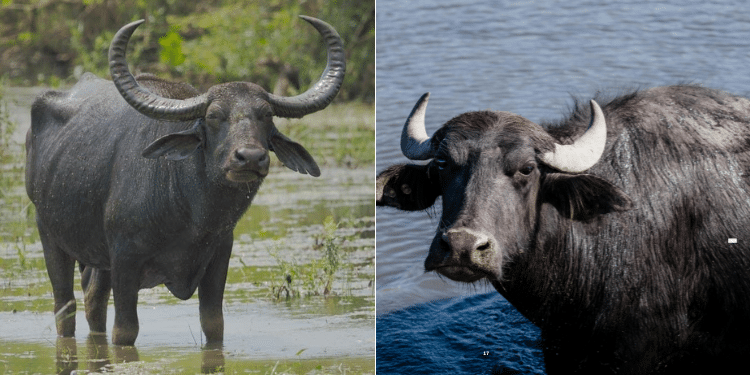
Kenya is preparing to introduce water buffalo from India through a pilot program to assess their suitability for local farming conditions.
The buffalo importation plan comes as the government explores new livestock genetics to improve milk quality and diversify agricultural production.
The Kenya Animal Genetic Resources Center (KAGRC), which is coordinating the initiative, will assess the animals’ adaptability, productivity, reproductive performance, and health before recommending whether to introduce them to farmers.
In an interview with The Kenya Times on October 17, KAGRC Managing Director Dr Benadatte J. Misoi said the pilot would establish how the animals perform under Kenyan conditions.
“This is the first time we are bringing in the water buffalo. The few that we are bringing are for piloting, and we want to study their behavior and how they will adapt to our new environment before we allow farmers to buy them for their farms,” Benadatte Misoi said.
According to the KAGRC MD, the pilot is expected to take between six months and one year.
During the pilot period, scientists will examine the animals’ performance under Kenyan conditions.
What KAGRC is Expected to Import
Explaining the buffalo importation plan, Dr Misoi clarified that the initial consignment is expected to include pregnant females, animals in their first lactation, and two bulls.
In addition, KAGRC will also import buffalo semen for breeding.
Once the buffaloes arrive, they are expected to undergo a 21-day quarantine period at Jamhuri for disease-control purposes before being transferred to KAGRC.
Indian specialists are also expected to train Kenyan personnel to handle and manage the animals, helping build local expertise in buffalo husbandry and breeding.
Assessing Adaptability And Management Requirements
The pilot will also examine whether Kenyan farmers can maintain water buffaloes efficiently.
According to Dr Misoi, the animals may be able to utilise lower-quality feeds and could provide an alternative for farmers who find some specialised cattle breeds expensive to maintain.
The centre will also assess their susceptibility to diseases common in Kenya, including tick-borne diseases, to establish their veterinary requirements.
The MD confirmed that buffaloes are known for their resilience.
However, the centre wants the pilot’s scientific findings to guide decisions on their suitability for local production systems.
Water availability and temperature management will be important considerations, with Dr Misoi noting that the buffaloes could require about 40 litres of water daily and may need extra cooling in hot weather due to the relatively few functional sweat glands.
Additionally, the centre also plans to evaluate reproductive performance, fertility and longevity to determine whether the animals could provide sustainable returns to farmers.
Water buffaloes have a gestation period of about 10 months, though reproductive outcomes vary by breed and management according to Dr Misoi.
Buffalo Import process still underway
As of October 17, the importation process remains underway, with veterinary clearances and the relevant import requirements part of the preparations.
Dr Misoi affirmed that disease protocols were complete and the import permit process was nearing completion at the time of the interview.
The clearance process involves Kenya’s Directorate of Veterinary Services and its counterpart in India to ensure the required animal-health checks are completed.
In addition, the MD said the Indian government is supporting the acquisition process.
Also Read: How to Import Milk Buffaloes from India to Kenya: Costs, Licenses and Process
Milk quality at the centre of Kenya’s Buffalo Import Plan
The KAGRC MD said the proposed introduction is driven partly by the potential of buffalo milk to support the production of higher-value dairy products.
Dr Misoi noted that buffalo milk typically contains more fat and protein than cow’s milk, making it suitable for products such as cheese and yoghurt.
She cited a fat content of about 7.5 per cent in buffalo milk, compared with up to four per cent in the cattle breeds the centre referenced.
According to Misoi, the higher milk solids in Buffalo Milk would let farmers and processors diversify beyond conventional milk production and explore products that reach different market segments.
“We want to do more products of milk, in terms of cheese and premium yogurt, because the fat content and the protein content are so high compared to cow’s milk,” he said.
In addition, the MD said the initiative reflects the need to place greater emphasis on milk quality, with genetics and technology helping improve the value of livestock products.
Beyond milk, KAGRC is also considering the potential of buffalo meat and hides as additional products that could create opportunities across the livestock value chain.
Over 800 Farmers Interested in Imported Buffalo
Dr Misoi reported receiving numerous inquiries from prospective buyers and people interested in partnering with the centre to understand the acquisition process.
Her confirmation comes days after the Principal Secretary (PS) for the State Department for Livestock Development in the Ministry of Agriculture and Livestock Development, Jonathan Mueke, confirmed that potential buyers had placed orders.
Beyond Kenya, Misoi has also handled inquiries about buffalo importation from other African countries, including Uganda, Tanzania and South Africa, as well as from stakeholders seeking information about Kenya’s plans to import water buffaloes from India.
However, the MD maintained that some prospective farmers had expressed interest in placing orders, but the center wants the initial pilot to be completed before making recommendations on wider adoption.
“We are saying let us have the pilot, let the animals arrive, let us study, and let the scientists give final feedback,” she said.
Members of the public have been advised to visit the official KAGRC Facebook page, or contact the institution via 0728 899767 or [email protected] for inquiries.
Also Read: Govt Clarifies Milking Buffaloes to Counter Milk Shortage
KAGRC: The institution behind Kenya’s Buffalo Import Pilot
The Kenya Animal Genetic Resources Centre is a State Corporation established under Legal Notice No. 110 of September 5, 2011, as the successor to the Central Artificial Insemination Station, which was established in 1946 to support genetic improvement of Kenya’s livestock population and help control breeding-related diseases.
Under its mandate, KAGRC produces, preserves, conserves, and distributes animal genetic material, including semen, embryos, tissues, and material from livestock and emerging livestock species.
It also supports breeding programs, research, and the development of livestock genetic resources for national and export markets.
KAGRC activities include producing and distributing livestock semen, maintaining genetic resources for future use, supporting breeding technologies, providing training and collaborating with other institutions involved in livestock research and improvement.
KAGRC supplies genetic material for several cattle breeds, including Friesian, Ayrshire, Guernsey, Jersey, Boran and Sahiwal, as well as goat breeds such as Alpine, Toggenburg, Saanen and Anglo-Nubian.
Additionally, it supports artificial insemination and other breeding services.
The centre is headquartered in Lower Kabete, Nairobi, and works with stakeholders across the livestock sector.
Follow our WhatsApp Channel and X Account for real-time news updates.