U.S. Senators Jeanne Shaheen and Ted Cruz have introduced bipartisan legislation calling for a full reassessment of relations between the United States and Tanzania, following disputed elections held on October 29, 2025, and subsequent allegations of political repression and human rights abuses.
The proposed bill instructs the U.S. State Department and other agencies to review diplomatic, economic, and security engagement with Tanzania, citing concerns over democratic backsliding and rising geopolitical competition in East Africa.
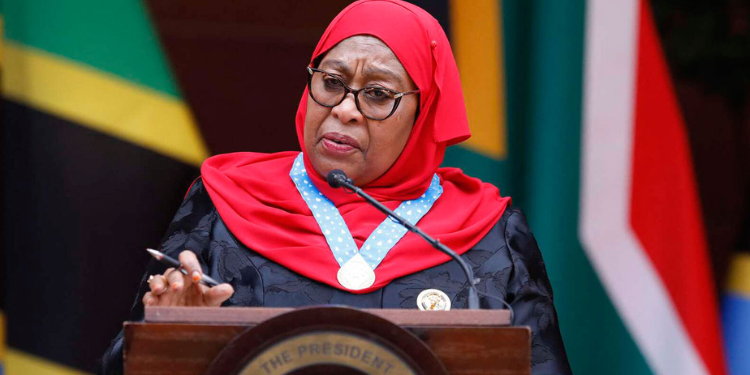
The move places renewed international pressure on President Samia Suluhu Hassan, whose administration has denied allegations of widespread abuses.
The legislation also calls for an assessment of China’s growing influence in Tanzania, arguing that shifting alliances in the region may have implications for U.S. strategic interests.
Disputed Election and Opposition Restrictions
The October 2025 general election was widely criticized by opposition groups and international observers, who raised concerns about the fairness of the electoral process.
Several opposition candidates were reportedly arrested, disqualified, and prevented from campaigning, leaving the ruling Chama Cha Mapinduzi party with limited competition.
During the election period, reports emerged of heightened security presence in major cities, restrictions on political gatherings, and limits on media coverage. Opposition leaders said the environment made it difficult to mount a credible challenge.
According to the bill’s summary, Tanzanian authorities also restricted political activity in the lead-up to the vote, which critics say undermined the legitimacy of the process. The government has rejected these claims, insisting that the election was conducted lawfully and reflected the will of voters.
Also Read: Suluhu Slapped With Fresh Demands Over Alleged Torture of Children
Protests, Security Crackdown and Internet Shutdown
Following the vote on October 29, protests broke out in several urban areas, including Dar es Salaam, with demonstrators alleging electoral irregularities. Security forces responded with force, including tear gas and arrests, as authorities imposed curfews in some regions.
Reports cited in the Senate proposal also allege that the government restricted communications during the unrest through a nationwide internet shutdown, limiting the flow of information and independent reporting from the ground.
Human rights organizations and opposition groups have accused security forces of excessive use of force and other abuses during the crackdown. These allegations include claims of deaths, injuries, and detentions, though figures remain disputed and difficult to independently verify due to the communication blackout at the time.
The Tanzanian government has dismissed accusations of systematic abuses, stating that security operations were necessary to restore order following violent demonstrations.
Allegations, Denials and International Scrutiny
The bipartisan bill calls for a comprehensive report identifying officials responsible for political violence, enforced disappearances, censorship, and other human rights violations.
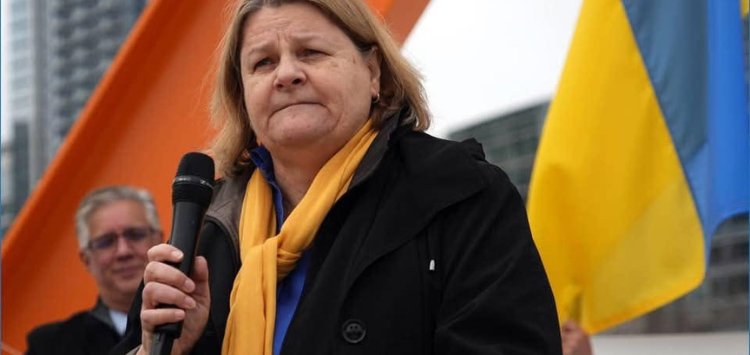
Senator Jeanne Shaheen said the United States must respond to developments in Tanzania’s political environment.
Also Read: Tanzania Placed Under Probation as Commonwealth Sets New Conditions for Suluhu
“Tanzania has long been an important partner in East Africa, but recent events cannot be ignored,” Shaheen said in a statement. “The United States must stand firmly for democratic principles, human rights and the rule of law.”
Senator Ted Cruz separately accused Tanzanian authorities of undermining electoral fairness and restricting religious freedom, saying accountability measures may be necessary for those responsible for abuses.
The legislation proposes possible visa bans and asset freezes on individuals identified in a State Department review, as well as restrictions on certain forms of U.S. assistance unless democratic reforms are certified.
Why This Matters
The bill signals a potential shift in U.S. policy toward Tanzania, linking diplomatic and economic engagement more directly to governance and human rights conditions. If implemented, it could affect aid programs, trade support, and security cooperation between Washington and Dar es Salaam.
The legislation adds external pressure on President Samia at a time when domestic legitimacy concerns and post-election tensions continue to draw scrutiny from rights groups and international observers.