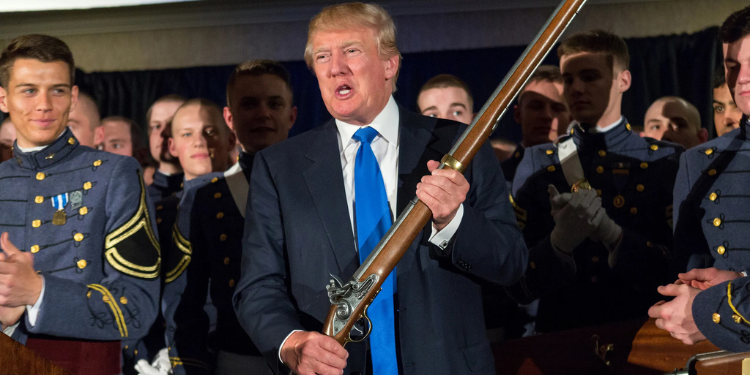
President Donald Trump announced on March 23, 2026, that the United States is engaged in negotiations with a senior Iranian official to end the ongoing conflict, but he declined to identify the individual, citing concerns for their safety.
Speaking to reporters in Palm Beach, Florida, Trump described the talks as “very good” and “productive.”
He said his special envoy, Steve Witkoff, and advisor Jared Kushner had spoken with their Iranian counterparts the previous day, and that discussions were set to continue.
Trump emphasized that the negotiations do not involve Iran’s Supreme Leader, Mojtaba Khamenei, referring to him as “the son” and noting uncertainty about his status amid the war.
Trump said the United States is dealing with “a man who I believe is the most respected and the leader” in Iran, but not Khamenei. When pressed to identify the official his envoy was speaking with, he replied, “A top person… I don’t want him to be killed, okay?”
He added that “nobody wants that job right now,” suggesting instability within Iran’s leadership following recent U.S.-Israeli military actions.
The comments came shortly after Trump declared a five-day halt to planned U.S. strikes on Iranian energy infrastructure, including power plants, following what he called progress in the talks.
Also Read: Trump Responds as Iran Denies Talks Behind Strike Delay
This followed his earlier ultimatum for Iran to reopen the Strait of Hormuz or face severe consequences, a deadline that would have expired around the time of his announcement.
As reported by The Hill on Monday, 23rd, Trump indicated the negotiations could lead to a broader resolution, including addressing Iran’s nuclear program. He mentioned potential agreements on points such as no nuclear weapons development, though specifics remained vague.
Iranian officials quickly pushed back against the claims. State media described Trump’s announcement as a retreat under pressure and denied that any direct or indirect talks were underway.
Iranian representatives dismissed the reported negotiations as inaccurate, insisting no conversations had taken place and that Tehran’s position had not changed.
Also Read: Trump Spends $138.6 Million of Taxpayers’ Money on Golf as Americans Face Higher Prices
The conflicting accounts highlight the challenges in verifying diplomatic progress during active hostilities.
The war, now in its fourth week, began with U.S. and Israeli strikes targeting Iranian facilities and leadership, escalating after Iran’s responses, including actions affecting the Strait of Hormuz, a vital oil shipping route.
Trump’s refusal to name the Iranian contact drew attention to the risks faced by potential interlocutors in Tehran.
Amid reports of leadership losses and internal power shifts following earlier strikes, including the death of previous Supreme Leader Ali Khamenei, Trump suggested the current environment makes high-level roles dangerous.