The United States launched a series of strikes on Iranian targets Tuesday, escalating tensions in the Persian Gulf after Iranian forces attacked commercial vessels in the Strait of Hormuz.
US Central Command confirmed the operation, describing the strikes as a direct response to what it called Iranian aggression against international shipping. The action marks a significant breach of a fragile ceasefire agreement reached in late June.
The strikes targeted missile and drone facilities near the Strait of Hormuz and coastal sites in southern Iran, according to US military officials.
Explosions and fires were reported in areas including Bandar Abbas, with video circulating on social media showing smoke rising over the city skyline.
Strikes Follow Ship Attacks
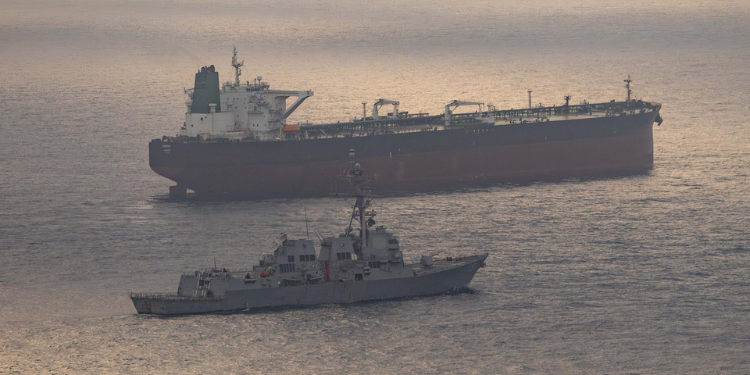
The operation came hours after reports of Iranian attacks on at least two commercial ships transiting the Strait of Hormuz.
One vessel, a Panama-flagged tanker, was hit by a projectile, causing a fire, while a second ship sustained damage, shipping sources told Reuters.
US officials said the Iranian actions violated the terms of the interim ceasefire. President Donald Trump had previously warned that any disruption to shipping in the strait would be met with force.
“These strikes were necessary to protect freedom of navigation and respond proportionally,” a senior US defense official said, speaking on condition of anonymity to discuss military operations.
Also Read: Iran Warns UK and France as Tensions Rise Over Strait of Hormuz Security
Ceasefire in Jeopardy
The latest exchange threatens to unravel diplomatic efforts to stabilize the region. Iran and the US had agreed to halt attacks and resume talks following earlier rounds of strikes in June, according to US officials cited by Axios.
Iranian officials have not yet issued a full statement on the new US action. The Iranian Foreign Ministry previously described similar US strikes as violations of the understanding reached after months of conflict that began earlier in 2026.
The Strait of Hormuz, through which about one-fifth of global oil passes, has been a flashpoint. Iran declared the waterway closed at times during the broader conflict, prompting US and allied efforts to reopen it.
Oil Markets React
Oil prices jumped following the news. West Texas Intermediate crude rose nearly 3% in early trading to around $72 per barrel, according to market data.
The US Navy has been escorting vessels through the strait as part of efforts to maintain open sea lanes. Incidents involving tankers and container ships have reduced traffic and raised insurance costs for shippers.
Also Read: U.S., Iran Finally Agree to Halt Strikes Ahead of Qatar Talks on Strait of Hormuz
Regional and International Fallout
The strikes drew immediate attention from allies and adversaries. Israel, which conducted its own operations against Iran earlier this year, has not commented directly. Gulf states monitoring the situation expressed concern over potential spillover.
Qatar, where some diplomatic talks have occurred, urged restraint from both sides. China, a major buyer of Iranian oil, called for de-escalation through official channels.
This round of US strikes follows a pattern seen in late June, when American forces hit Iranian sites after similar ship attacks. CENTCOM released video of prior operations showing precision strikes on missile storage locations.
Iran retains the ability to harass shipping with drones and small boats despite losses to its naval forces, according to assessments by the Congressional Research Service.
The Trump administration has signaled that it seeks to prevent a full resumption of the wider conflict that escalated in February 2026, which included direct US and Israeli actions against Iranian leadership and military sites.