The United States has escalated emergency measures aimed at containing a rapidly worsening Ebola outbreak in East and Central Africa after temporarily halting visa issuance for foreign nationals who recently traveled through Uganda, the Democratic Republic of Congo, and South Sudan.
According to a Friday, May 22, report by The Wall Street Journal citing internal State Department cables, the new restrictions block visa issuance for travelers who have been present in any of the three countries within 21 days of planned travel to the United States.
The measures come as federal agencies intensify screening and travel controls amid fears the outbreak could become the most severe Ebola crisis in more than a decade.
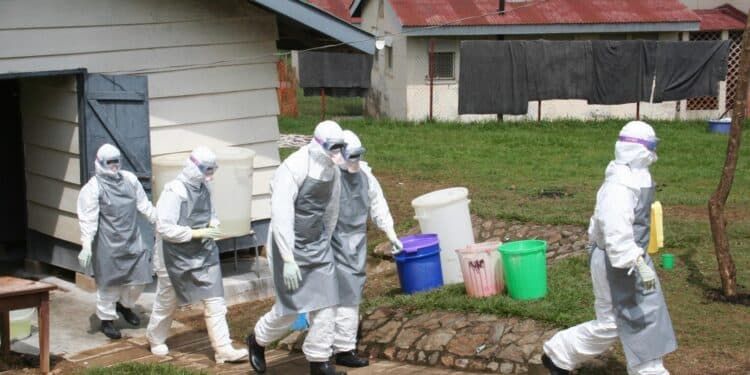
Past measures in response to the Ebola outbreak
The move follows a broader suspension of visa operations announced earlier this week by U.S. embassies in Kampala, Kinshasa, and Juba.
In separate notices issued by the State Department, the U.S. embassies confirmed that all routine visa services had been paused effective May 18, 2026.
The suspension affects both immigrant and non-immigrant visas, including applications for tourists, students, business travelers, and exchange visitors.
“The Department of State is committed to ensuring that its visa process upholds the highest standards for U.S. public health and safety,” the embassy notices stated.
“In light of the ongoing Ebola outbreak, the Department is temporarily pausing all visa operations.”
The restrictions do not invalidate visas already issued, according to the notices. Applicants whose appointments were canceled are expected to be rescheduled once operations resume.
Also Read: Trump Ends Popular Green Card Path as Temporary Visa Holders Face Forced U.S. Exit
The Centers for Disease Control and Prevention (CDC) separately announced enhanced travel screening and public health restrictions targeting individuals arriving from outbreak zones.
Under emergency public health authorities, the CDC said non-U.S. passport holders who have recently been in Uganda, Congo, or South Sudan could face 21-day entry restrictions to the United States following travel.
The CDC said the order, issued under Sections 362 and 365 of the Public Health Service Act, would initially remain in effect for 30 days.
“CDC, DHS, and other appropriate federal agencies are taking proactive measures to protect the health and safety of the American public in response to ongoing Ebola Virus Disease outbreaks,” the agency said in its statement.
Federal officials said the measures include expanded traveler screening at ports of entry, increased coordination with airlines and foreign governments, strengthened contact tracing systems, and deployment of additional CDC personnel to affected regions.
The CDC stressed that the immediate risk to the American public remains low but warned that the situation continues to evolve.
“At this time, CDC assesses the immediate risk to the general U.S. public as low, but we will continue to evaluate the evolving situation and may adjust public health measures as additional information becomes available,” the agency said.
Centers for Disease Control and Prevention measures
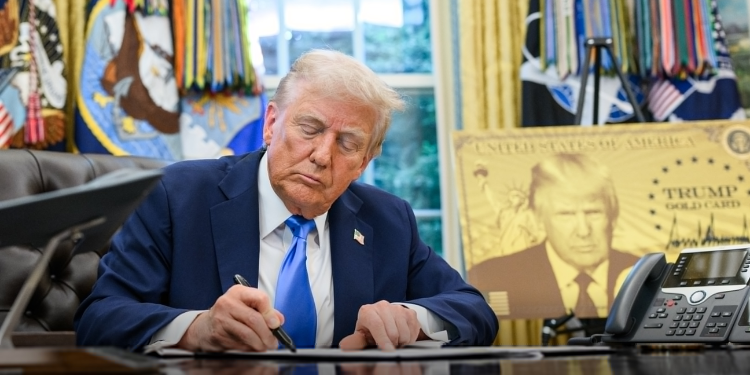
The latest restrictions represent one of the most sweeping travel-health crackdowns implemented by President Donald Trump and Secretary of State Marco Rubio since returning to office earlier this year.
The Trump administration’s actions come amid mounting international concern surrounding the spread of Ebola caused by the Bundibugyo virus strain, which has triggered intensified regional monitoring efforts across East and Central Africa.
The visa pause has already disrupted travel plans for thousands of applicants across the three affected countries.
U.S. embassies in Kampala, Kinshasa, and Juba confirmed that no new visa interviews can currently be scheduled while the temporary suspension remains in place.
The State Department said affected applicants had already been notified directly.
Also Read: Kenya on High Alert as Suspected Ebola Case Turns Negative
The restrictions also add a new dimension of immigration enforcement to the administration’s broader public health response strategy.
Unlike earlier measures focused primarily on screening and monitoring, the latest directives directly impact entry eligibility for foreign nationals based on recent travel history.
The policy mirrors previous emergency travel measures used during earlier global disease outbreaks.
However, officials insist the current restrictions are specifically tied to epidemiological risk assessments related to the ongoing Ebola spread.
The administration has not announced when normal visa operations could resume.
Travelers who recently visited Uganda, Congo, or South Sudan have been advised to monitor CDC guidance and immediately seek medical attention if they develop symptoms associated with Ebola, including fever, vomiting, diarrhea, weakness, or unexplained bleeding within 21 days of travel.
The CDC also said it would continue coordinating with state and local health departments nationwide to strengthen hospital readiness and outbreak response capabilities as federal authorities monitor developments in the region.