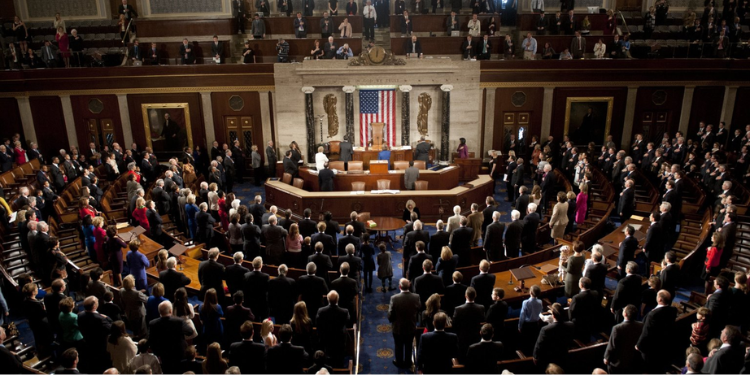

The U.S. House of Representatives has unanimously approved the Fostering the Future Act, a bipartisan measure backed by First Lady Melania Trump, designed to expand federal support for foster youth aging out of the child welfare system.
The legislation, introduced by Ways and Means Work and Welfare Subcommittee Chairman Darin LaHood and Representative Gwen Moore, delivers the first major reforms to the John H. Chafee Foster Care Program for Successful Transition to Adulthood since the program’s establishment in 1999.
Lawmakers said the bill was shaped in part by the First Lady and her “Fostering the Future” initiative, which has focused on improving education and career opportunities for young people from foster care backgrounds.
Melania Trump-backed ‘Fostering the Future Act’ wins unanimous House approval
The legislation passed on Tuesday, May 19, with unanimous support in the House and now advances as one of the most significant bipartisan foster care reform efforts in recent years.
Also Read: Xi Jinping Set for White House Visit After Trump’s Beijing Summit
According to congressional materials, the bill seeks to improve outcomes for foster youth by strengthening links to housing assistance, educational programs, workforce training, and long-term support systems.
The reforms target youth between the ages of 14 and 21 who are transitioning toward adulthood and independence.
House Ways and Means Committee Chairman Jason Smith said the effort gained momentum through bipartisan cooperation and advocacy from foster youth themselves.
“This historic effort to modernize America’s foster care system would have never been possible were it not for the dedicated leadership of members of the Ways and Means Committee who reached across the aisle and built a groundswell of bipartisan support for reform,” Smith said after the vote.
The legislation also codifies several priorities from the executive order titled Fostering the Future for American Children and Families, an initiative championed by First Lady Melania.
Among the key provisions, the bill increases Education and Training Voucher caps from $5,000 to $12,000 while maintaining current funding levels.
The vouchers can now also be used for short-term workforce training, apprenticeships, remedial education, and costs associated with obtaining a high school diploma.
Inside the initiative
The legislation further strengthens coordination with federal housing programs such as the Foster Youth to Independence housing voucher initiative.
It expands access to legal services for foster youth, including support for young parents and soon-to-be parents.
Congressional background materials highlighted the challenges facing foster youth as they transition into adulthood.
Nearly 16,000 young people age out of the foster care system annually, according to lawmakers.
Data included in the bill summary states that only 8% to 12% of foster youth earn a two- or four-year degree by their mid-20s compared to 49% of their peers, while 35% experience homelessness by age 21.
Also Read: Trump Reveals What He Told Melania Before Chaotic White House Correspondents’ Dinner
During a congressional roundtable earlier this year, Melania Trump described foster care reform as “a moral imperative” and called for stronger educational and social support systems for affected youth.
“We are gathered here today, not because America’s children rely on us, but rather because America’s children are our moral equals,” the First Lady said during the April event on Capitol Hill.
The “Fostering the Future” initiative, launched by the First Lady in 2021 under the BE BEST platform, has since partnered with more than 20 universities across the United States, including Vanderbilt University, Louisiana State University, Ohio State University, and the University of Miami.
Supporters of the legislation said the reforms are intended to provide foster youth with stronger educational pathways, employment preparation, stable access to housing, and broader support networks as they transition into adulthood.
More than 150 national, state, and local organizations, along with over 320 foster youth and caregivers, endorsed the legislation ahead of the House vote.
“With new legislation, we can ensure that opportunity is more than hopeful for individuals in the foster care community—it can be their birthright,” Melania Trump said during the congressional roundtable earlier this year.
The bill now moves forward following its unanimous approval in the House.