Just three weeks into the U.S.-Israeli military campaign against Iran, America’s armed forces are already bearing the strain, with American service members killed, aircraft shot down, and key warships sidelined for repairs.
On Monday, The Hill, quoting Pentagon figures, reported that so far, at least 13 U.S. troops have died and more than 200 others have been injured since strikes began on Feb. 28.
The losses include crew members from a KC-135 refueling plane that crashed over Iraq and others killed in direct combat actions.
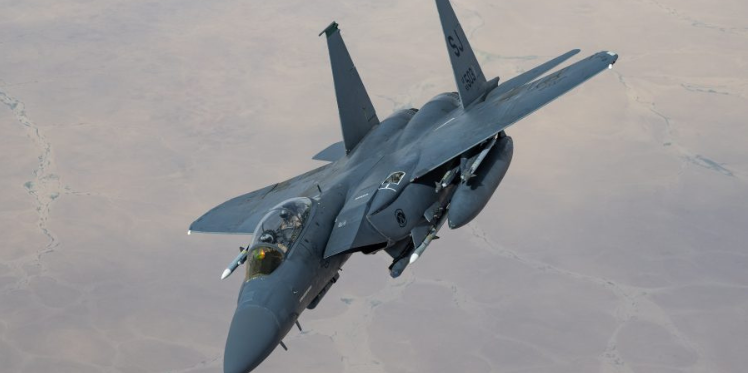
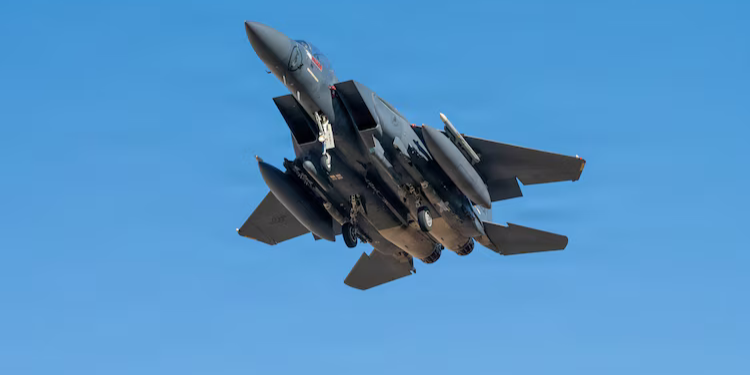
On top of human cost, the military has lost or seen damage to at least 16 aircraft, including Reaper drones, F-15 fighters, and a KC-135 tanker.
One F-35 was forced into an emergency landing after a mission. For comparison, the 2011 air campaign over Libya saw just three combat losses over four months.
Also Read: US Unable to Quickly Wind Down Iran War as Another 4,500 Marines Deployed to Middle East
The Navy’s flagship, the USS Gerald R. Ford, the world’s most sophisticated aircraft carrier, has been pulled out of the fight after a fire broke out in its laundry room on March 12.
The blaze injured sailors and damaged sleeping quarters for hundreds of crew members. Reports also surfaced of ongoing plumbing problems aboard the ship, forcing it to head to Crete, Greece, for repairs rather than remain in the region.
Munitions are burning through faster than expected, too. U.S. forces have fired large numbers of expensive interceptors, such as Patriot and THAAD missiles, as well as Tomahawks and air-to-air weapons.
Guided precision weapons that can’t be replaced overnight are taking a hit, raising worries about how long the campaign can retain its current pace.
President Trump gave hope on Monday after he revealed that the U.S. and Iran had renewed talks over Tehran’s nuclear program after he threatened to bomb Iranian energy sites if the Strait of Hormuz wasn’t reopened.
Oil prices have spiked as the waterway has been partially blocked, and Trump has stressed the need to keep those costs down.
More U.S. Military Deployment Looming
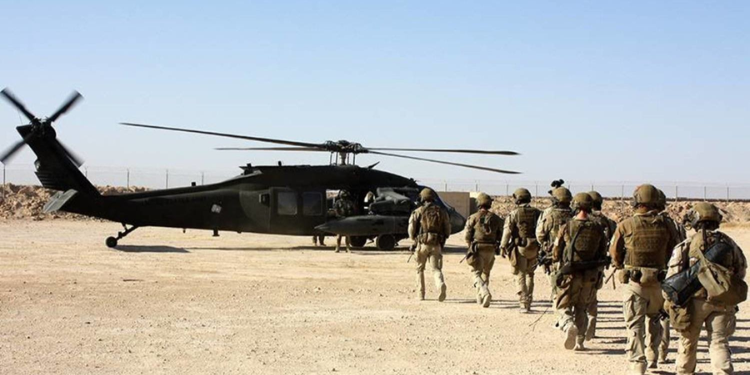
But even as diplomacy restarts, military planning continues. Pentagon officials are reportedly preparing for possible ground deployments, including a combat brigade from the Army’s 82nd Airborne Division.
Thousands more Marines are already on the way; the 11th Marine Expeditionary Unit left San Diego early aboard the USS Boxer, while the 31st MEU is heading from Japan on the USS Tripoli.
The Trump administration has requested up to $200 billion in supplemental funding from Congress to cover the growing expenses, which some estimates put at $1 billion a day.
Trump has downplayed the costs, insisting last week that U.S. munitions stockpiles have “never been higher” and are “virtually unlimited.”
Skeptics, including former officials, question that claim, pointing out that stocks were already stressed from aid sent to Ukraine and Israel in the recent past.
Also Read: US Military Reportedly Draws Up Invasion in Foreign Nation Despite Public Denial
Katherine Thompson, a senior fellow at the Cato Institute who worked in the Trump administration, was quoted by The Hill as saying that the longer the fighting drags on, the bigger the risk to long-term readiness.
“Depleted munitions stockpiles are one of the most significant, long-term effects of the war,” she said. “This weaponry cannot quickly be replaced.”
The concern goes beyond Iran. If China decides to move on Taiwan while U.S. attention and supplies are tied up in the Middle East, America could find itself stretched dangerously thin.
Navy ships are seeing heavy wear, with a large chunk of the deployed fleet now committed to the region.
For now, the fighting continues alongside the diplomatic track. Trump has said the U.S. will do “whatever’s necessary” to keep oil flowing, even as he insists he’s “not putting troops anywhere” unless absolutely needed.
It is clear that three weeks in the Iran conflict are already testing the limits of U.S. military power in ways that no one imagined, and could probably shape security decisions for years to come.