United States President Donald Trump has announced another pause on planned strikes targeting Iran’s energy infrastructure after days of escalating threats and growing concern within Washington over the potential human cost of a wider war.
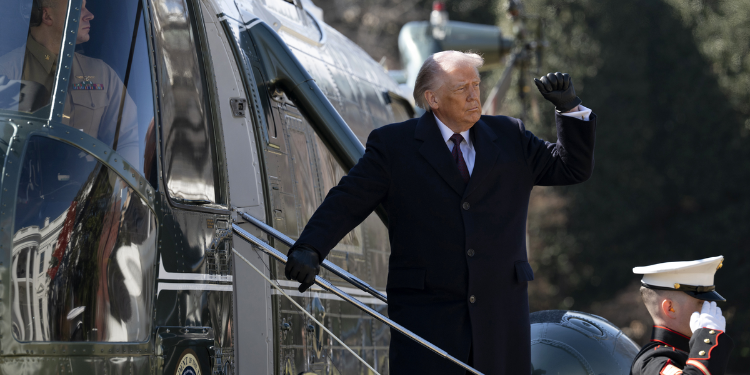
In a statement on March 26, Trump announced a 10-day pause on the planned strikes, which he said was issued at Iran’s request.
“As per the Iranian Government’s request, please let this statement serve to represent that I am pausing the period of Energy Plant destruction by 10 Days to Monday, April 6, 2026, at 8 P.M., Eastern Time. Talks are ongoing and, despite erroneous statements to the contrary by the fake news media and others, they are going very well.”
The announcement effectively delays what had been shaping up to be one of the most aggressive phases of the U.S. military campaign against Iran, even as officials warn that the broader conflict remains highly volatile.
Trump issues fresh deadline
The decision comes just days after President Trump issued an ultimatum to Tehran to reopen the Strait of Hormuz within 48 hours or face devastating strikes on its power grid.
At the time, he said the United States would “obliterate” Iran’s energy plants, beginning with its largest facilities—an escalation that military planners warned could trigger a far wider conflict.
The Strait of Hormuz, a narrow but critical waterway linking the Persian Gulf to global markets, has remained effectively under Iranian control, disrupting oil flows and driving up global energy prices.
Also Read: Panic as Trump Is Warned of Severe Consequences for American Lives Over Massive Iran Bombing Plan
The 10-day extension follows growing unease among U.S. officials, with internal warnings that a major escalation—particularly one targeting critical Iranian infrastructure—could put American lives at significant risk.
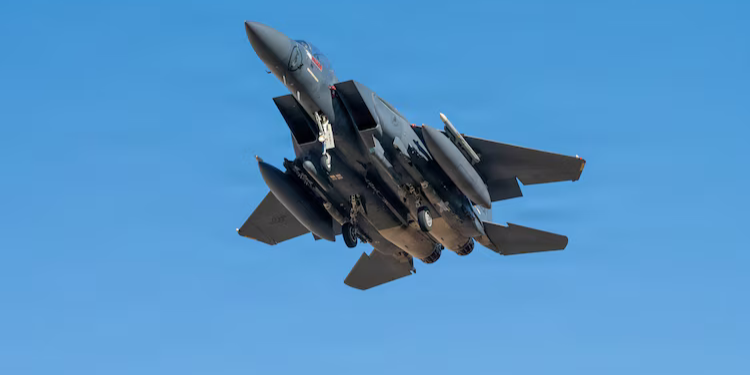
According to reports by the Daily Mail, Pentagon planners have presented options for a massive expansion of airstrikes, potentially including Iran’s power grid, oil export infrastructure, strategic naval assets, and possible ground operations on key locations such as Kharg Island.
However, officials cautioned that such actions could provoke retaliatory attacks across the region, and possibly draw the U.S. into a prolonged conflict with heavy casualties.
U.S. and Israeli forces launched Operation Epic Fury in late February, targeting nuclear facilities, missile production sites, naval ships, and senior Iranian leadership, including the late Supreme Leader, Ali Khamenei.
Iran has already demonstrated its ability to retaliate, launching missile and drone attacks across the Middle East that have resulted in American deaths.
Defense officials say Tehran has since fortified Kharg Island, a critical global oil hub responsible for the majority of its exports. The island has reportedly been lined with anti-personnel and anti-armor mines, signaling readiness for a potential U.S. landing operation.
However, Trump has doubled down on a hardline stance, warning Iran that any further aggression would be met with “a force that has never been seen before.”
Strait of Hormuz
Speaking on Thursday, the president issued a fresh warning while acknowledging that the U.S. does not have full clarity on whether Iran has deployed underwater mines in the Strait of Hormuz.
“If you think there may be a mine… that’s a bad thought, and it stops things up.”
Also Read: Netanyahu Confesses Trump Helped in Eliminating Commander Behind Strait of Hormuz Closure
U.S. officials have indicated that at least a dozen such mines may already be in place—enough to disrupt global shipping lanes.
Iran has publicly denied that any talks are taking place, directly contradicting the White House’s claims.
At the same time, U.S. special envoy Steve Witkoff has confirmed that Washington has presented Tehran with a 15-point peace proposal, suggesting that some form of backchannel engagement may be underway.
Trump earlier also hinted at possible concessions, claiming Iran had offered a “very significant prize” linked to oil and gas—though details remain vague.
In one striking remark, he suggested Iran had allowed multiple oil tankers to pass through Hormuz as a goodwill gesture.
Trump made clear that U.S. forces continue to hit targets daily and floated the possibility of taking control of Iran’s oil resources, describing it as “an option,” though he declined to elaborate.